
Latest Articles
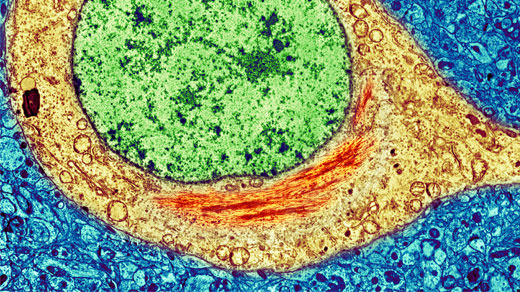
Protein Blobs Linked to Alzheimer’s Affect Aging in All Cells
Protein buildups like those seen around neurons in Alzheimer’s, Parkinson’s and other brain diseases occur in all aging cells, a new study suggests. Learning their significance may reveal new strategies for treating age-related diseases.
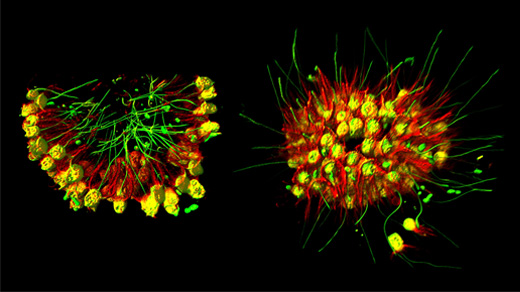
Brain-Signal Proteins Evolved Before Animals Did
Some animal neuropeptides have been around longer than nervous systems.
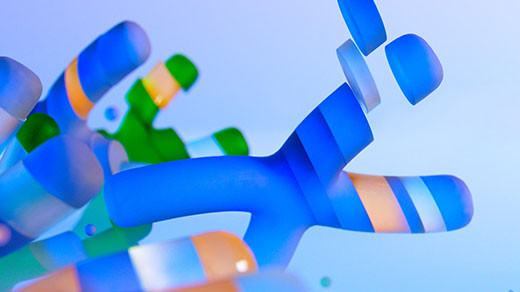
Secrets of Early Animal Evolution Revealed by Chromosome ‘Tectonics’
Large blocks of genes conserved through hundreds of millions of years of evolution hint at how the first animal chromosomes came to be.
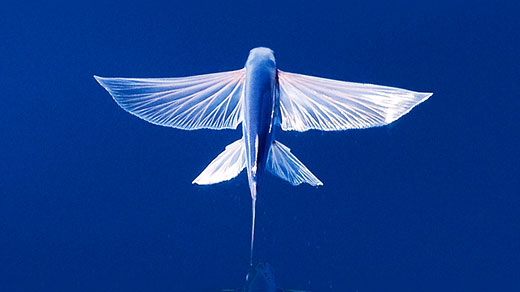
Flying Fish and Aquarium Pets Yield Secrets of Evolution
New studies reveal the ancient, shared genetic “grammar” underpinning the diverse evolution of fish fins and tetrapod limbs.
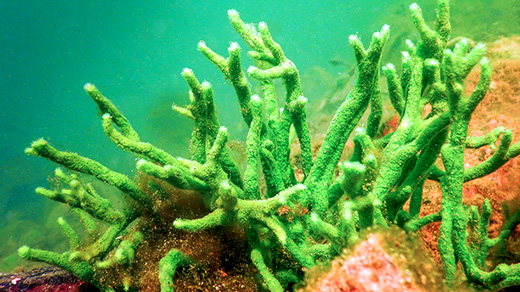
Sponge Genes Hint at the Origins of Neurons and Other Cells
A new study of gene expression in sponges reveals the complex diversity of their cells as well as some possibly ancient connections between the nervous, immune and digestive systems.
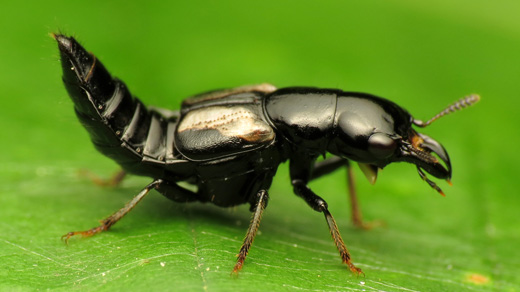
How Do New Organs Evolve? A Beetle Gland Shows the Way.
The evolution of a defensive gland in beetles shows how organs can arise from novel cells carving out new functional niches for their neighbors.
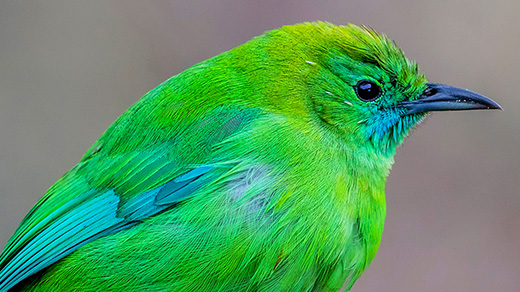
How Animals Color Themselves With Nanoscale Structures
Animals sculpt the optical properties of their tissues at the nanoscale to give themselves “structural colors.” New work is piecing together how they do it.
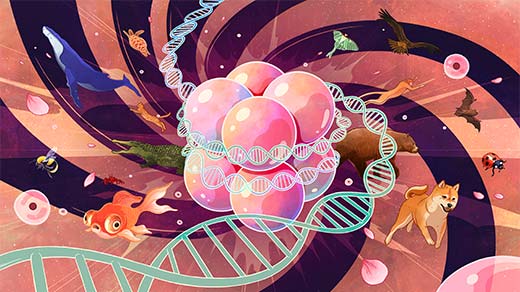
DNA’s Histone Spools Hint at How Complex Cells Evolved
New work shows that histones, long treated as boring spools for DNA, sit at the center of the origin story of eukaryotes and continue to play important roles in evolution and disease.

Some Proteins Change Their Folds to Perform Different Jobs
Unusual proteins that can quickly fold into different shapes provide cells with a novel regulatory mechanism.