What's up in
Evolution
Latest Articles
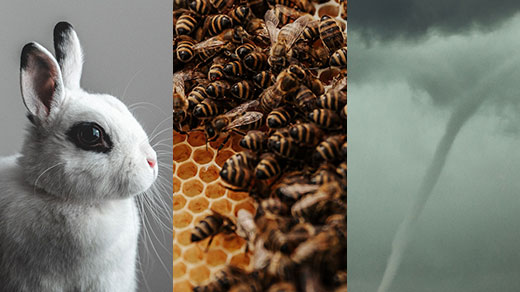
What Is an Individual? Biology Seeks Clues in Information Theory.
To recognize strange extraterrestrial life and solve biological mysteries on this planet, scientists are searching for an objective definition for life’s basic units.
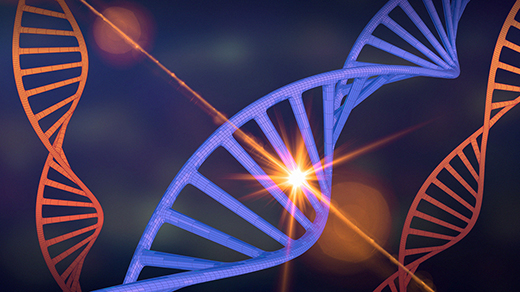
Cosmic Rays May Explain Life’s Bias for Right-Handed DNA
Cosmic rays may have given right-handed genetic helixes an evolutionary edge at the beginning of life’s history.
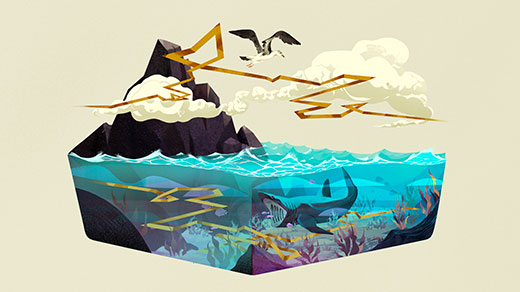
Random Search Wired Into Animals May Help Them Hunt
The nervous systems of foraging and predatory animals may prompt them to move along a special kind of random path called a Lévy walk to find food efficiently when no clues are available.
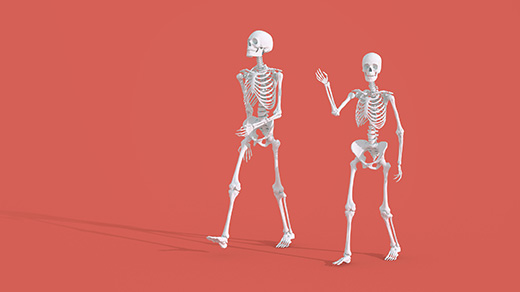
Males Are the Taller Sex. Estrogen, Not Fights for Mates, May Be Why.
To explain why men are on average taller than women, scientists theorized about competition for mates. But the effects of estrogen on bone growth may be answer enough.
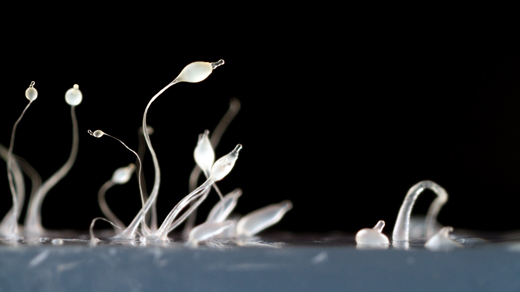
Out-of-Sync ‘Loners’ May Secretly Protect Orderly Swarms
Studies of collective behavior usually focus on how crowds of organisms coordinate their actions. But what if the individuals that don’t participate have just as much to tell us?
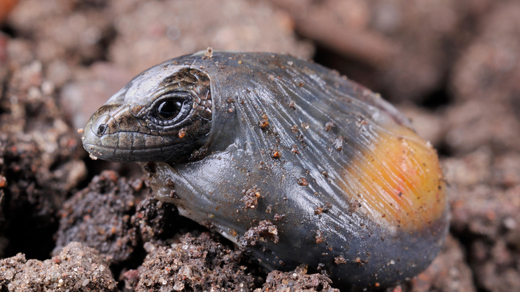
Egg Laying or Live Birth: How Evolution Chooses
A lizard that both lays eggs and gives birth to live young is helping scientists understand how and why these forms of reproduction evolved.
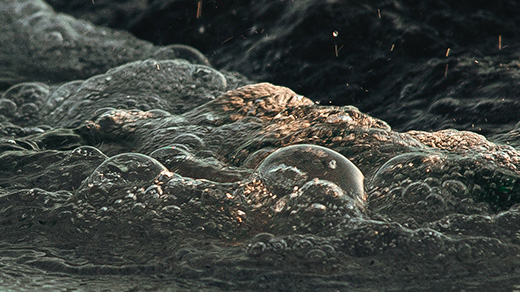
Inside Deep Undersea Rocks, Life Thrives Without the Sun
Newly discovered worlds of microbes far beneath the ocean floor, inside old basaltic rocks, could point to a greater likelihood of life elsewhere in the universe.
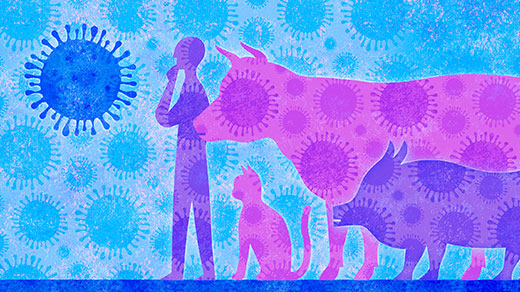
What Other Coronaviruses Tell Us About SARS-CoV-2
As COVID-19 cases continue to increase, our extensive knowledge of other coronaviruses informs our understanding.
Why Sex? Biologists Find New Explanations.
Why did sex evolve? Theories usually focus on the diversity of future generations, but some researchers find compelling explanations in the immediate benefits to individuals.