What's up in
Perception
Latest Articles
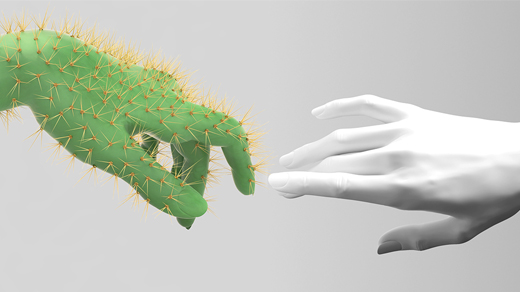
Medicine Nobel Prize Goes to Temperature and Touch Discoveries
David Julius and Ardem Patapoutian were awarded the 2021 Nobel Prize in Physiology or Medicine for their discoveries of how we detect heat and touch.
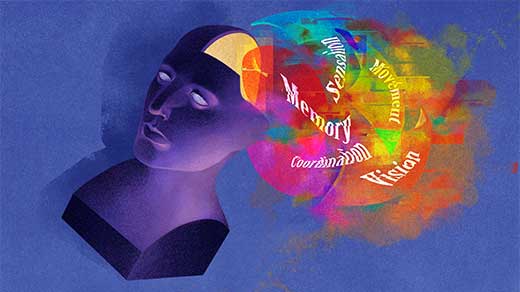
The Brain Doesn’t Think the Way You Think It Does
Familiar categories of mental functions such as perception, memory and attention reflect our experience of ourselves, but they are misleading about how the brain works. More revealing approaches are emerging.
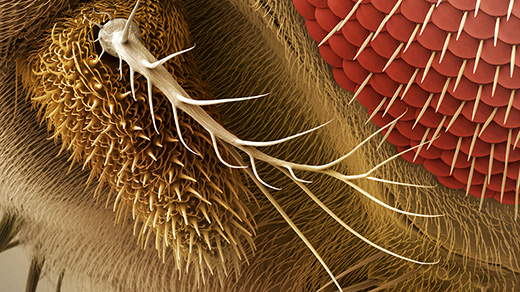
Secret Workings of Smell Receptors Revealed for First Time
Researchers have finally seen how some smell receptors bind to odor molecules. The work yields new insights into one of the most mysterious and versatile senses.
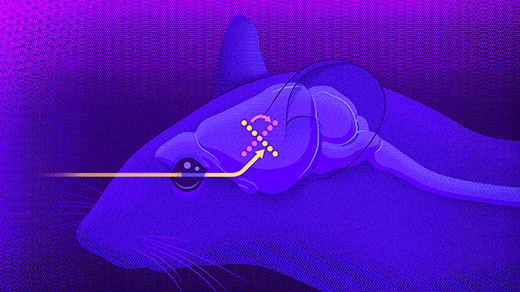
The Brain ‘Rotates’ Memories to Save Them From New Sensations
Some populations of neurons simultaneously process sensations and memories. New work shows how the brain rotates those representations to prevent interference.
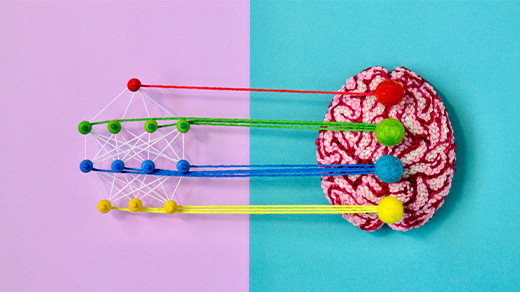
Deep Neural Networks Help to Explain Living Brains
Deep neural networks, often criticized as “black boxes,” are helping neuroscientists understand the organization of living brains.
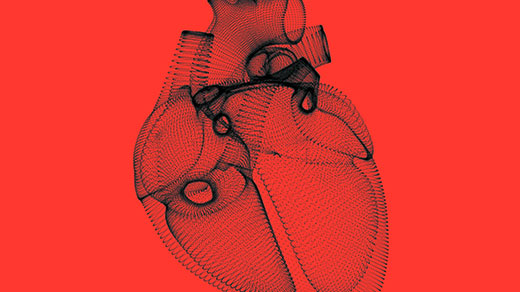
How Your Heart Influences What You Perceive and Fear
The heartbeat and other bodily processes play a surprising role in shaping perception and cognition.

The Brain Reshapes Our Malleable Senses to Fit the World
How does experience alter our perceptions? This adapted book excerpt from We Know It When We See It describes how the brain’s visual system rewires itself to make the best use of its neural resources.
‘Noise’ in the Brain Encodes Surprisingly Important Signals
Activity in the visual cortex and other sensory areas is dominated by signals about body movements, down to little tics and twitches. Scientists are now rethinking how they study and conceive of perception.
A Power Law Keeps the Brain’s Perceptions Balanced
Researchers have discovered a surprising mathematical relationship in the brain’s representations of sensory information, with possible applications to AI research.