Explainers
The 4-Page Paper That Broke Mathematics
For thousands of years, mathematicians avoided the concept of infinity. Then, in 1874, Georg Cantor published a four-page paper that changed mathematics forever. Hidden inside was a shocking claim: some infinities are larger than others. Today, Cantor is celebrated as the father of set theory and one of the great mathematical revolutionaries. But newly uncovered letters reveal a far more complicated story — one involving collaboration, secrecy, and plagiarism.
Read related article
Select Playlist

The 4-Page Paper That Broke Mathematics

Carlo Rovelli: ‘Time Is an Illusion’

Mirror Molecules: The Symmetry Rule Life Never Breaks
Why Some People Don’t ‘See’ Mental Imagery: Aphantasia

How AI Cracked the Protein Folding Code and Won a Nobel Prize

Space-Time: The Biggest Problem in Physics

Decoding Math’s Most Famous Fractal

P vs. NP – The Greatest Unsolved Problem in Computer Science
Math’s Famous Map Problem: The Four-Color Theorem
Could One Physics Theory Unlock the Mysteries of the Brain?

The Biggest Project in Modern Mathematics

How NASA’s Webb Telescope Will Transform Our Place in the Universe
The Standard Model: The Most Successful Scientific Theory Ever

Quantum Computers, Explained With Quantum Physics

Black Hole Jets: Unraveling One of the Biggest Mysteries in the Universe

Iceland Is a Portal to Mars
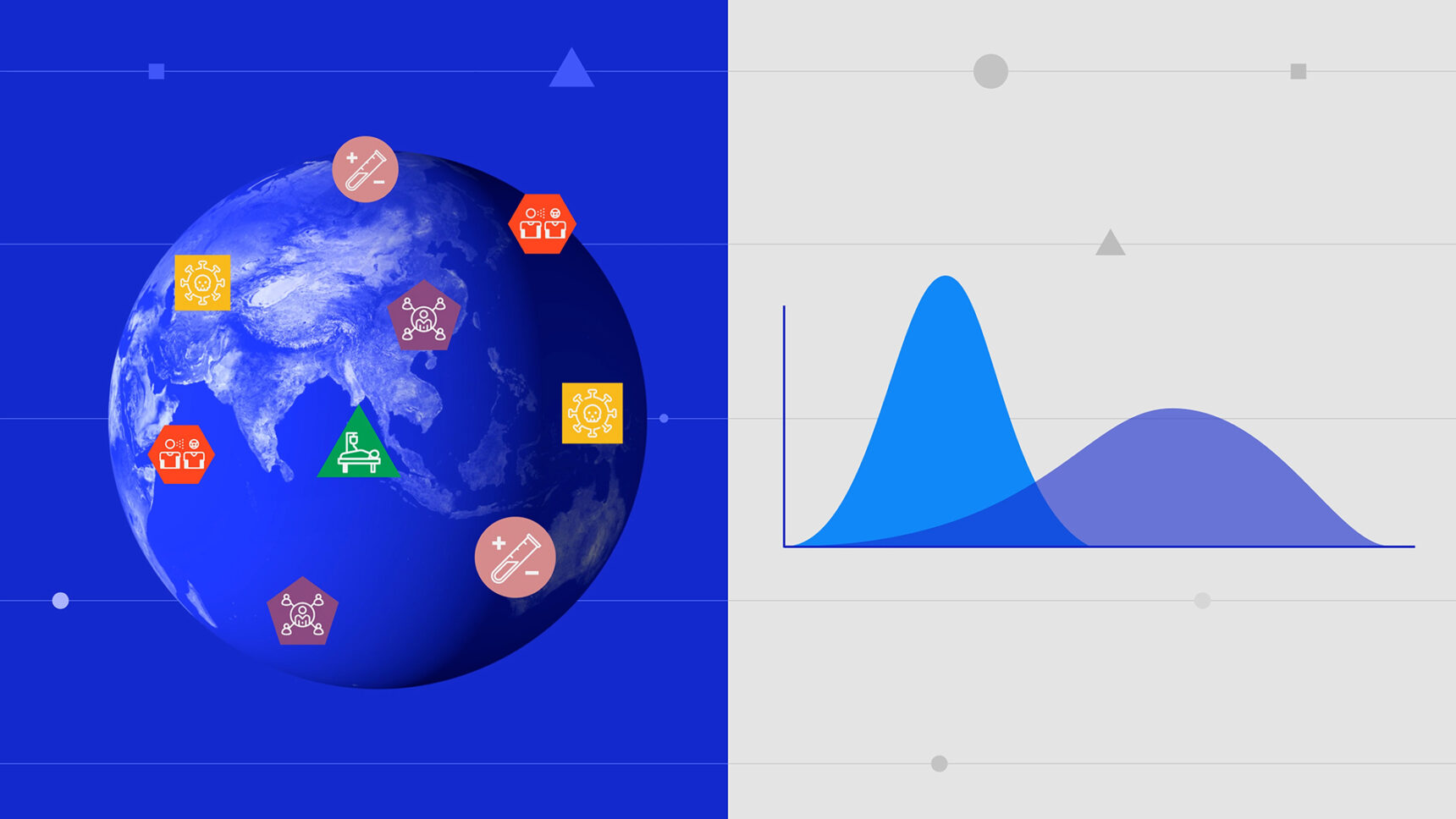
Why COVID-19 Models Don’t Predict the Future
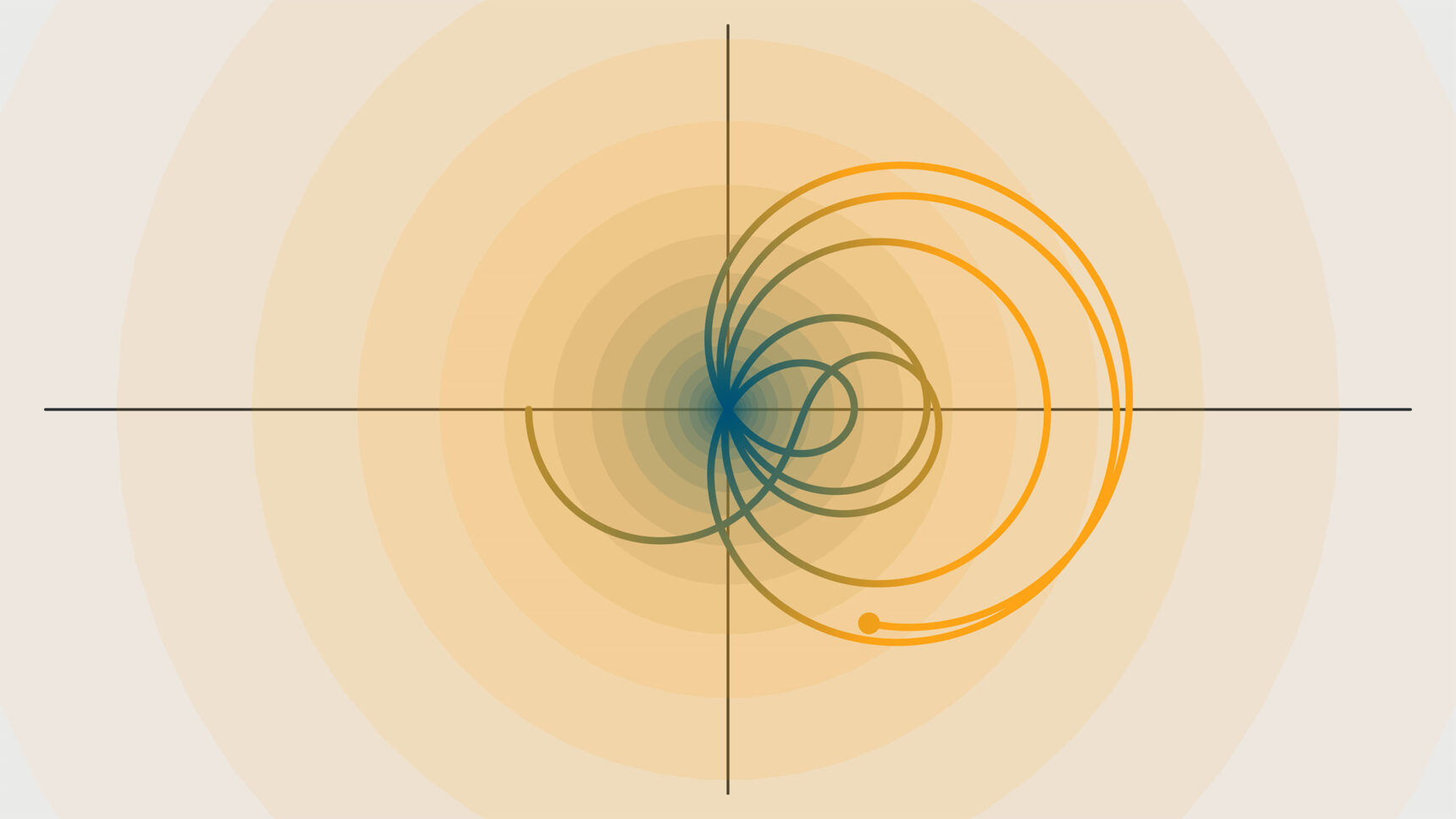
The Riemann Hypothesis, Explained

What Are Feynman Diagrams?

What Is Turbulence?
What Is Emergence?

Albert Einstein, Holograms and Quantum Gravity
What Is Universality?
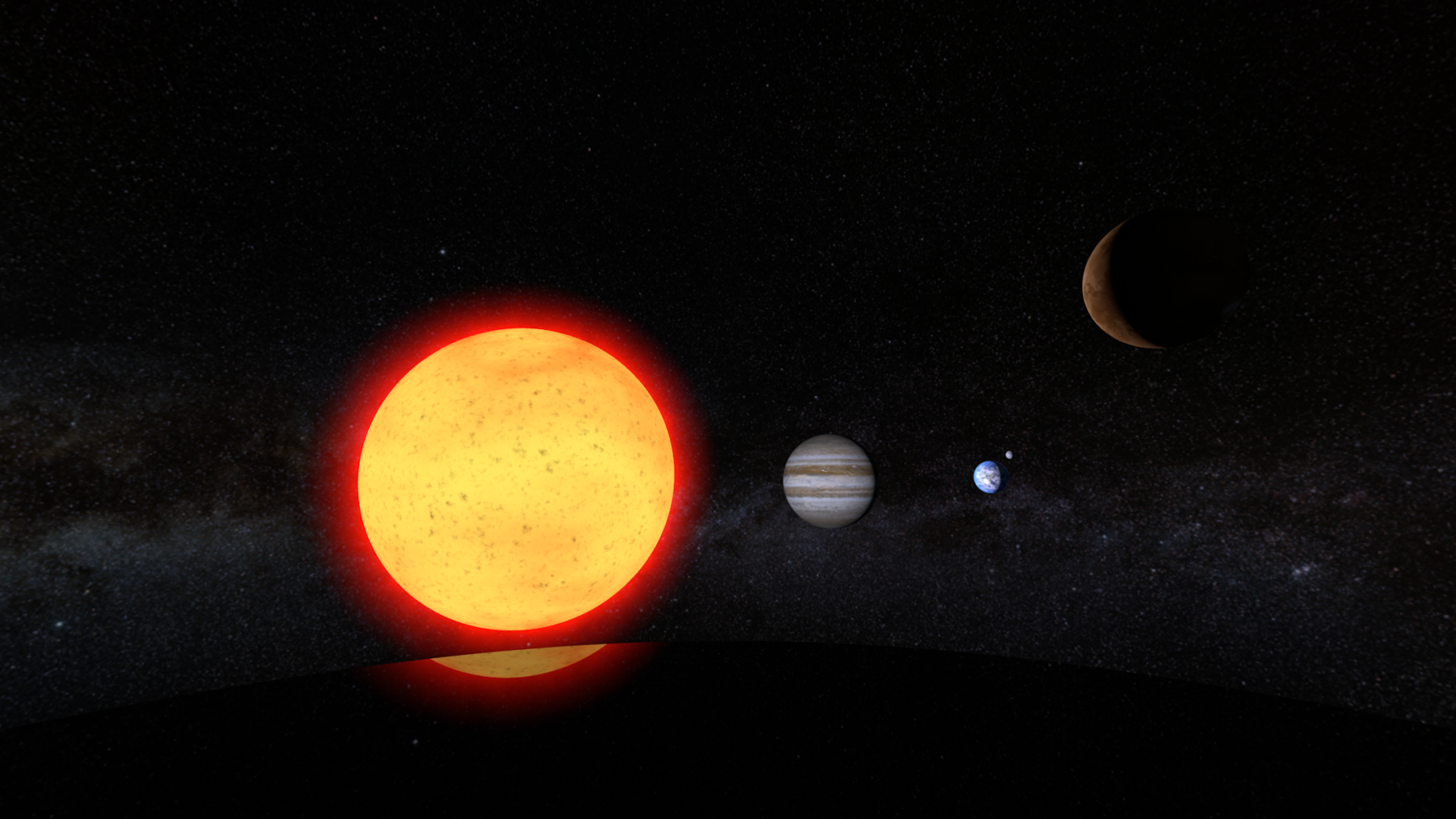
Journey to the Birth of the Solar System

How Does Life Come From Randomness?
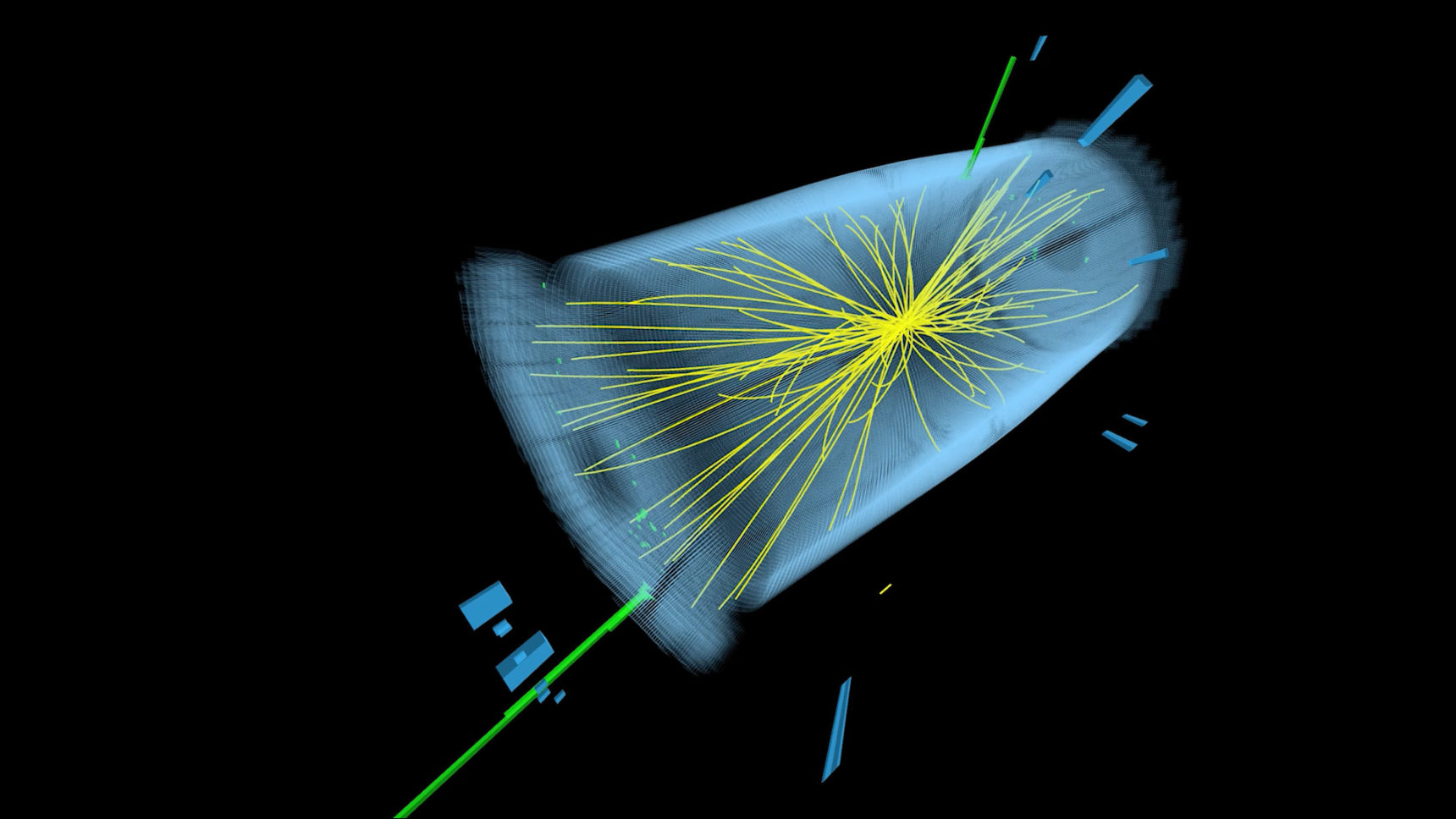
Is That ‘Bump’ a New Particle?

Are We Alone in the Universe?
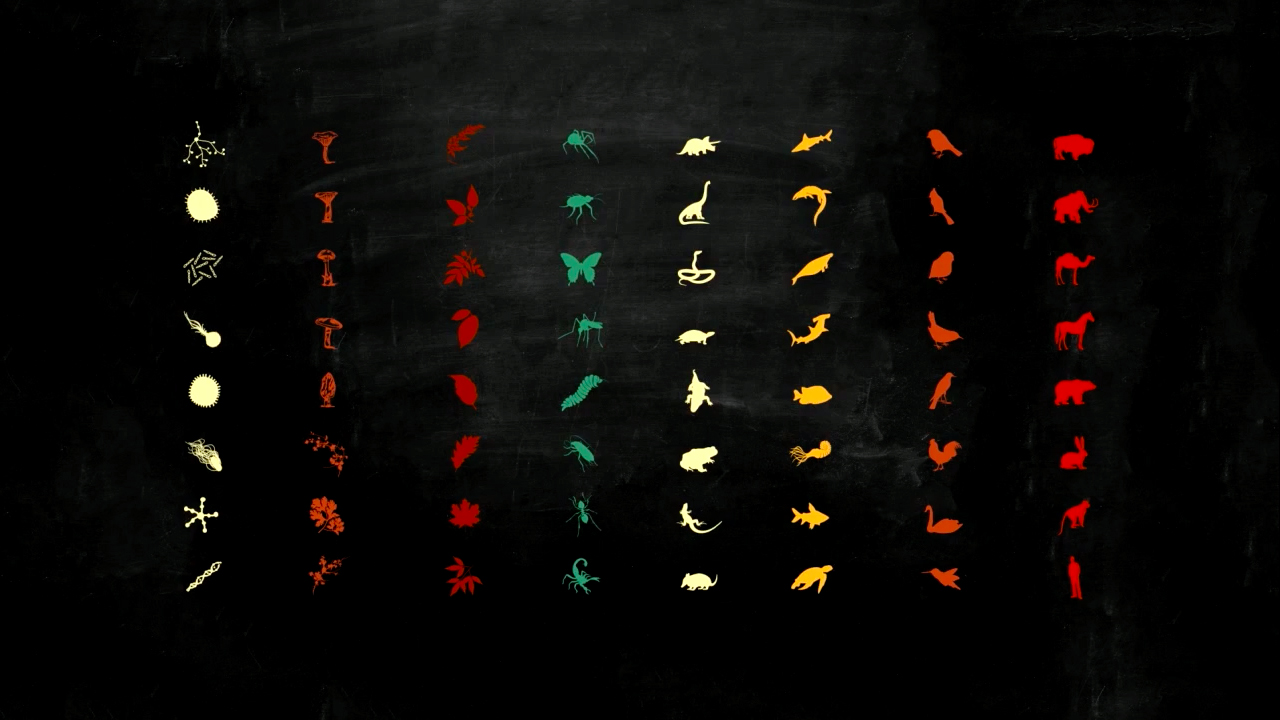
What Is a Species?
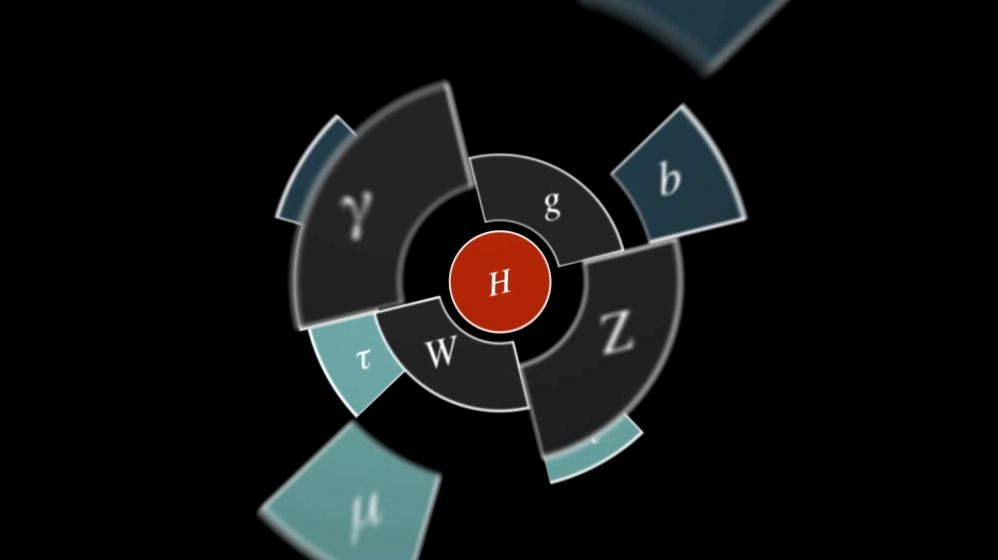
How Does Symmetry Shape Nature’s Laws?
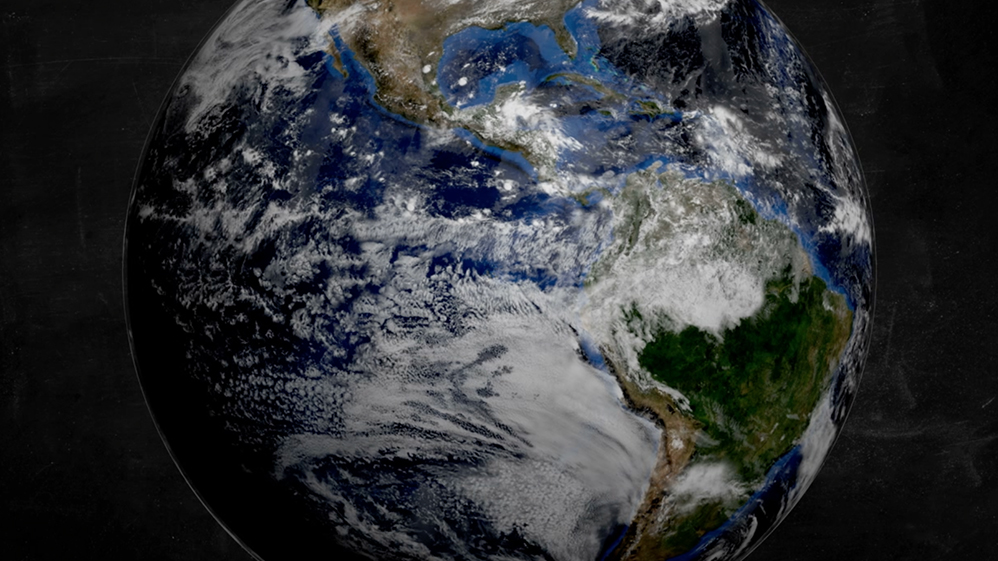
How Did Life Begin on Earth?
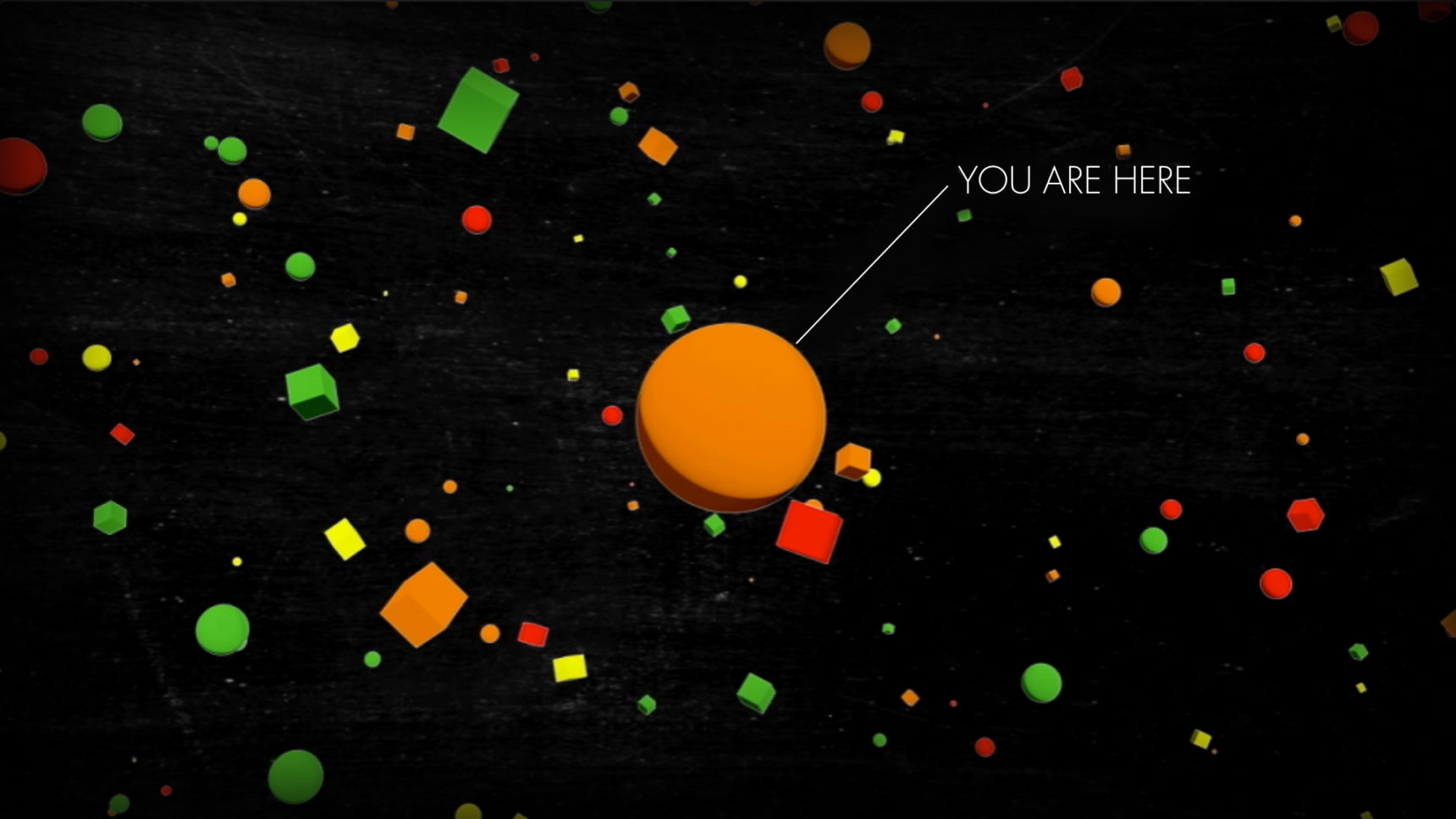
Where Did the Universe Come From?
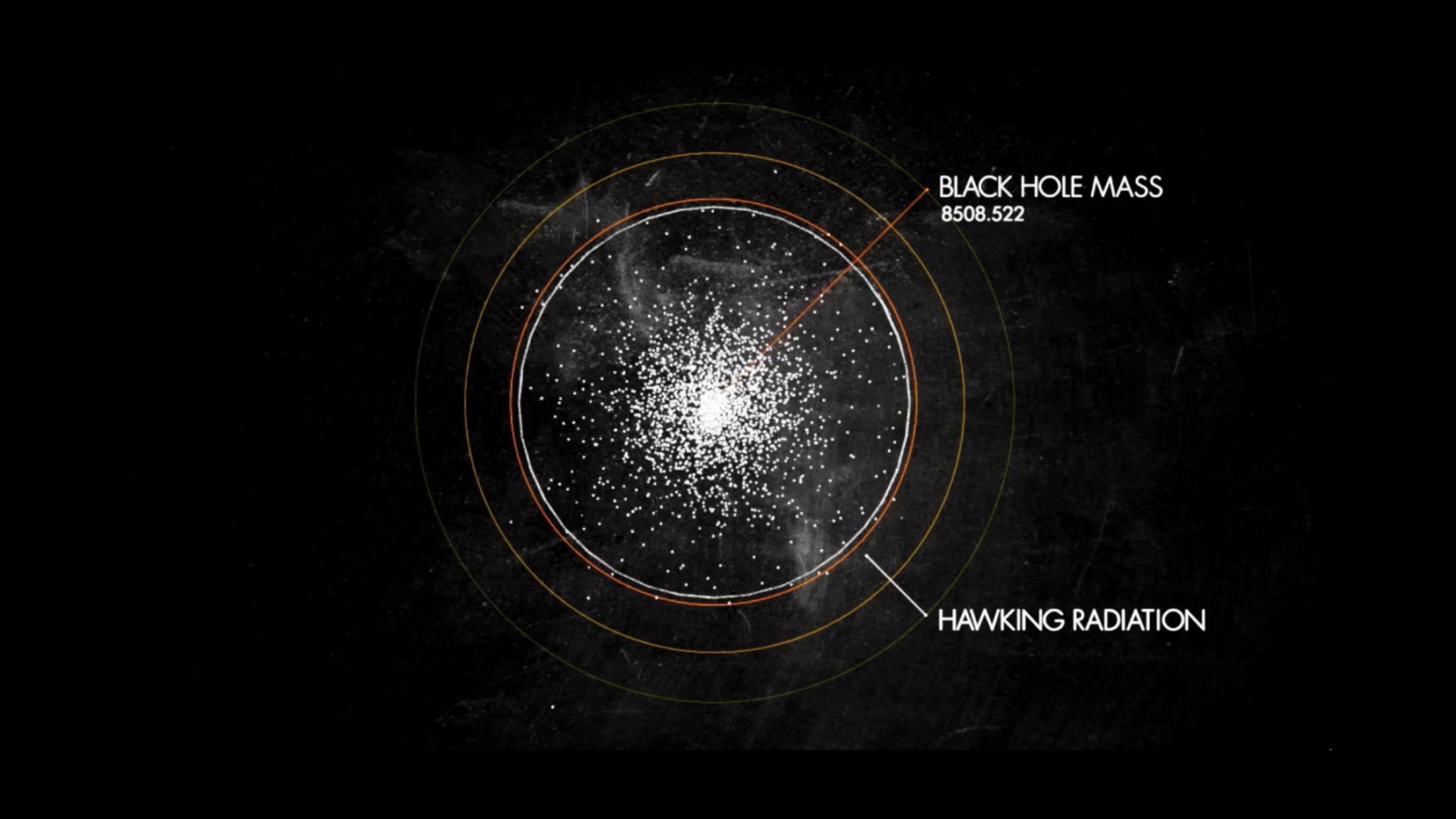
What Happens if You Fall Into a Black Hole?
Explore All Videos

New Clues in the Age-Old Question of the ‘Male’ and ‘Female’ Brain
Catherine Dulac of Harvard University discusses the roots of “male” and “female” parenting behaviors in mammalian brains.

This Computer Scientist’s Streaming Algorithms Shrink Big Data
Jelani Nelson explains how his streaming algorithms answer questions about big data without having to remember everything they’ve seen.

Inside Dynamical Systems and the Mathematics of Change
Bryna Kra explains how to describe complex systems in symbols.

The Cosmologist Who Dreams in the Universe’s Dark Threads
Cora Dvorkin explains her approach to exploring dark matter.

The Extraordinary Math Hidden in Everyday Life
L. Mahadevan describes how he approaches science and where he finds his ideas.

The Bold Quest to Launch the Internet in Space
Vinton Cerf discusses the challenges of creating an interplanetary internet.

Physicist Jeff Gore’s Statistical Approach to Ecology
Physicist Jeff Gore of the Massachusetts Institute of Technology discusses the puzzle of high diversity in ecosystems, and how his background in physics has influenced his experimental approach to studying ecology.

Urban Traffic and Complex Systems — Carlos Gershenson
Carlos Gershenson explains how principles of adaptation and self-organization can help transportation systems beat traffic jams and other urban mobility problems.
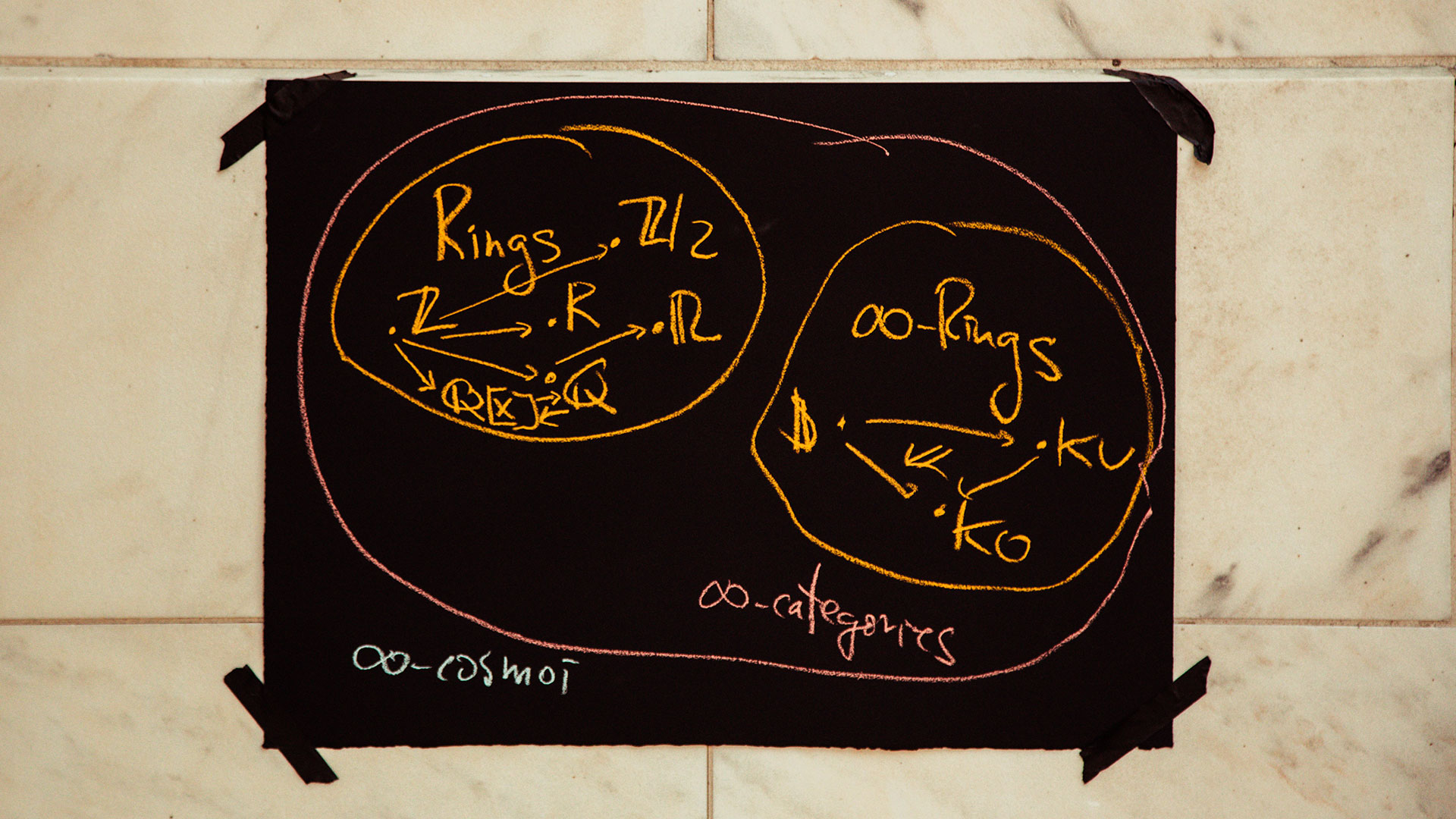
Emily Riehl Is Rewriting Higher Category Theory
By turning higher category theory on itself, Riehl hopes to make the powerful perspective more accessible to other mathematicians.