Explainers
The 4-Page Paper That Broke Mathematics
For thousands of years, mathematicians avoided the concept of infinity. Then, in 1874, Georg Cantor published a four-page paper that changed mathematics forever. Hidden inside was a shocking claim: some infinities are larger than others. Today, Cantor is celebrated as the father of set theory and one of the great mathematical revolutionaries. But newly uncovered letters reveal a far more complicated story — one involving collaboration, secrecy, and plagiarism.
Read related article
Select Playlist

The 4-Page Paper That Broke Mathematics

Carlo Rovelli: ‘Time Is an Illusion’
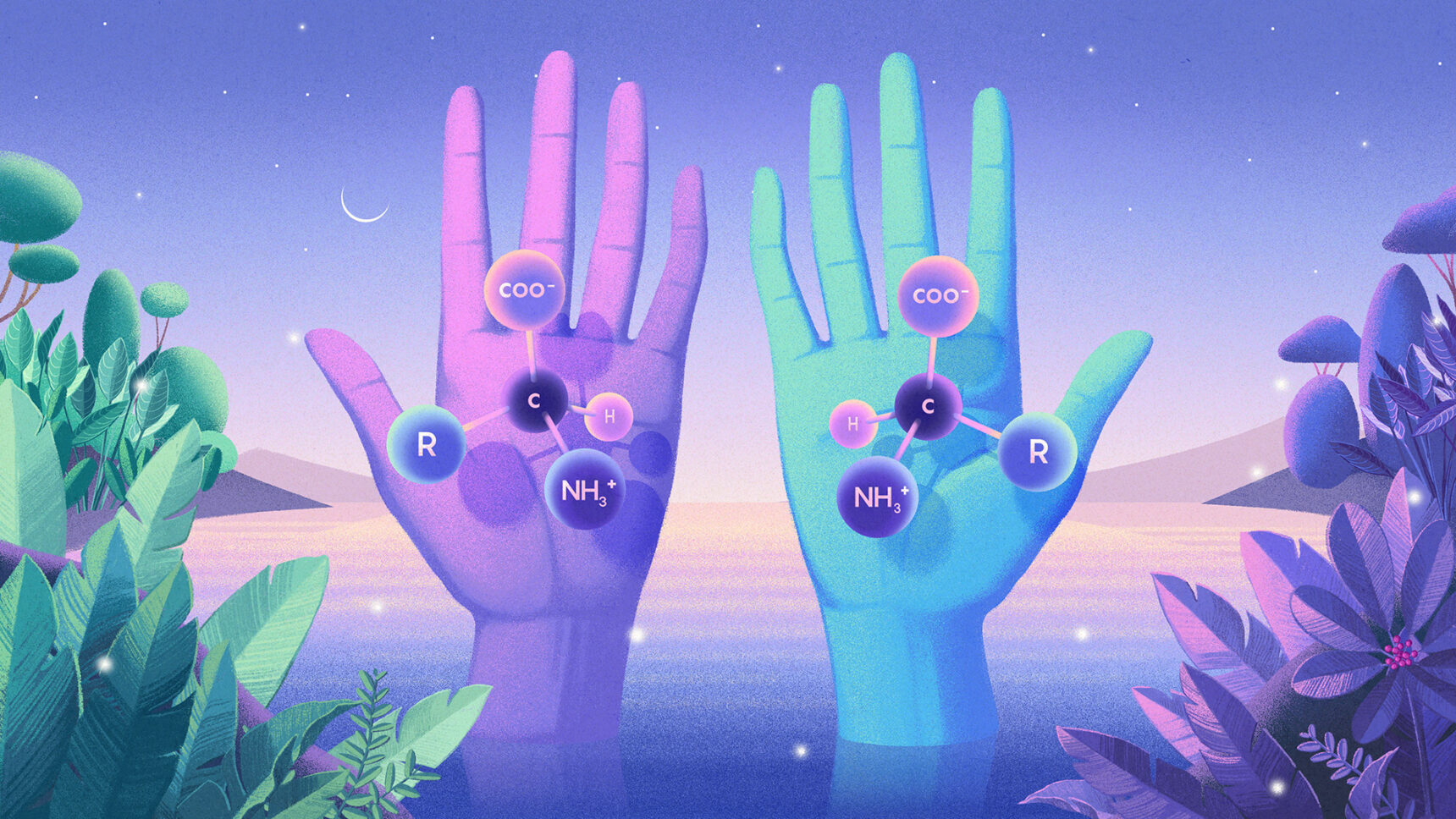
Mirror Molecules: The Symmetry Rule Life Never Breaks

Why Some People Don’t ‘See’ Mental Imagery: Aphantasia
How AI Cracked the Protein Folding Code and Won a Nobel Prize

Space-Time: The Biggest Problem in Physics

Decoding Math’s Most Famous Fractal

P vs. NP – The Greatest Unsolved Problem in Computer Science

Math’s Famous Map Problem: The Four-Color Theorem

Could One Physics Theory Unlock the Mysteries of the Brain?

The Biggest Project in Modern Mathematics
How NASA’s Webb Telescope Will Transform Our Place in the Universe
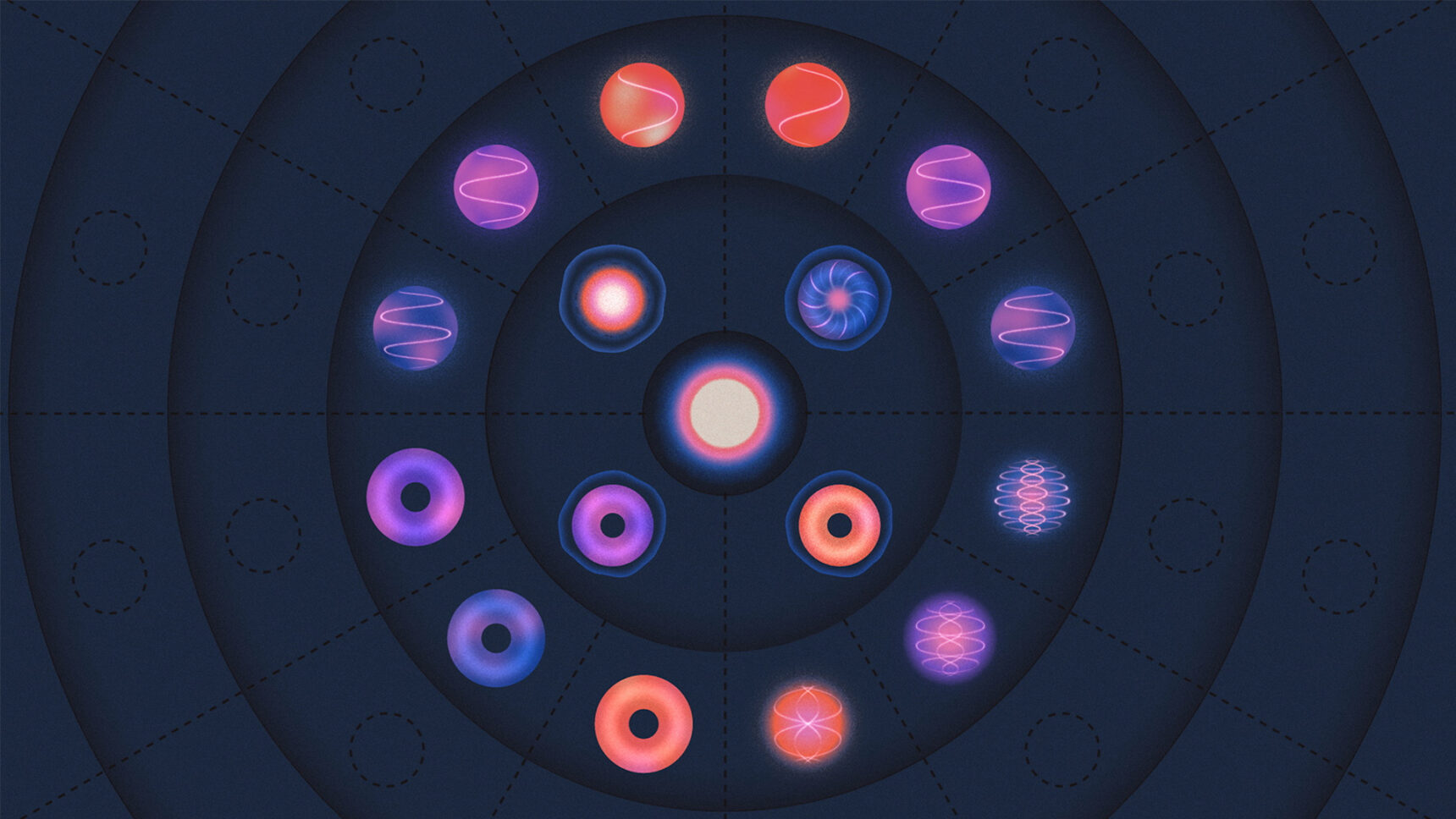
The Standard Model: The Most Successful Scientific Theory Ever
Quantum Computers, Explained With Quantum Physics
Black Hole Jets: Unraveling One of the Biggest Mysteries in the Universe

Iceland Is a Portal to Mars
Why COVID-19 Models Don’t Predict the Future
The Riemann Hypothesis, Explained

What Are Feynman Diagrams?

What Is Turbulence?
What Is Emergence?

Albert Einstein, Holograms and Quantum Gravity
What Is Universality?
Journey to the Birth of the Solar System

How Does Life Come From Randomness?
Is That ‘Bump’ a New Particle?
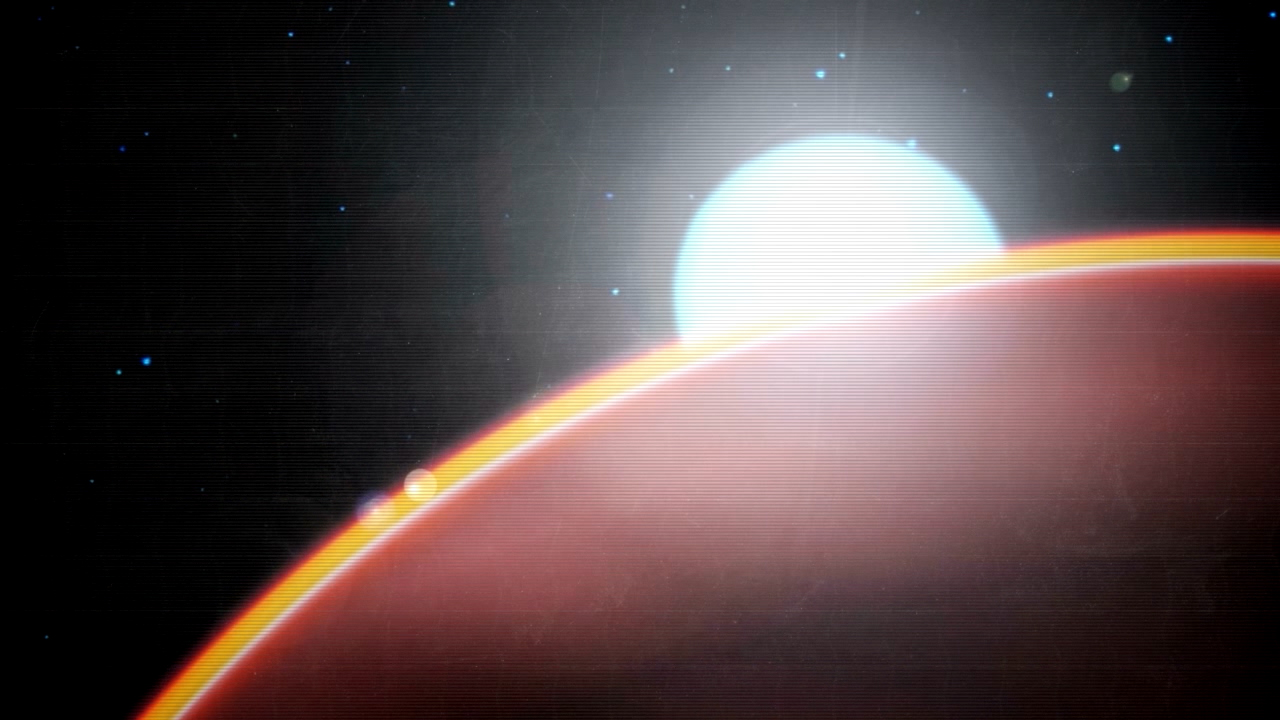
Are We Alone in the Universe?
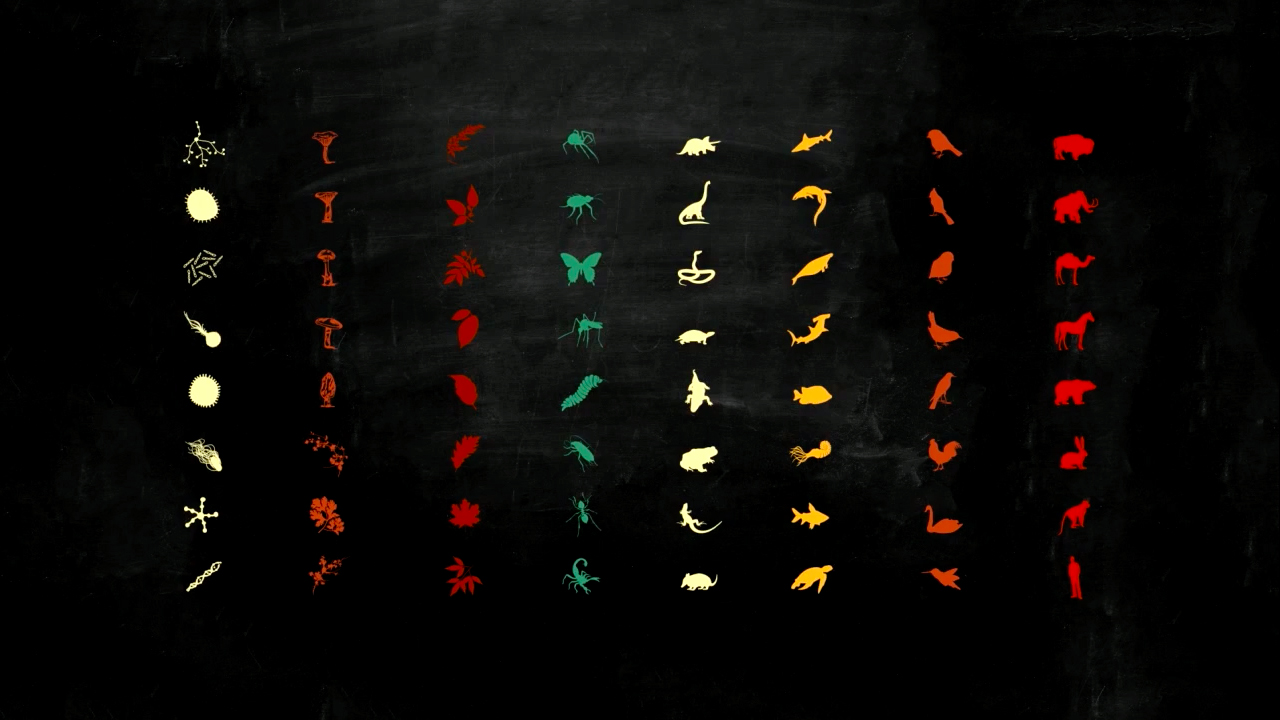
What Is a Species?
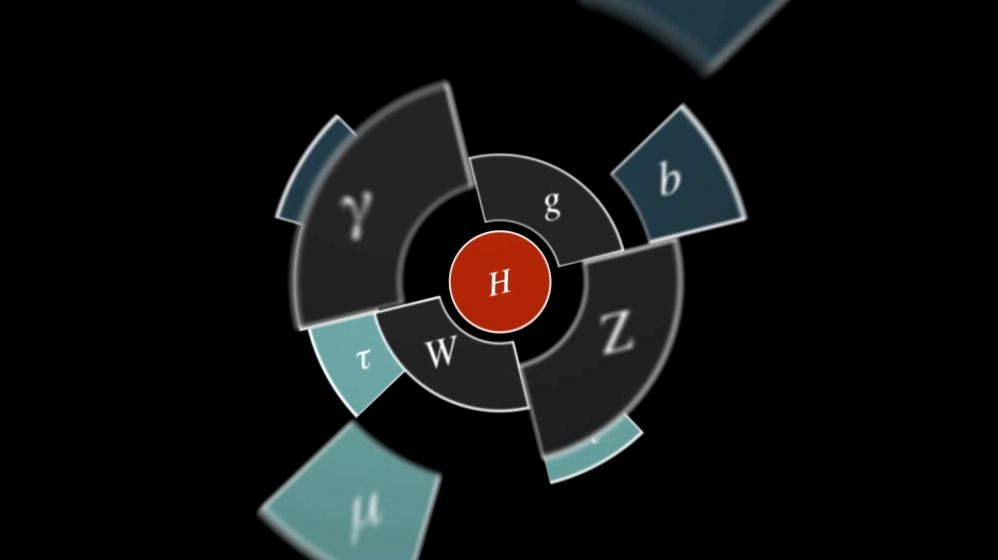
How Does Symmetry Shape Nature’s Laws?
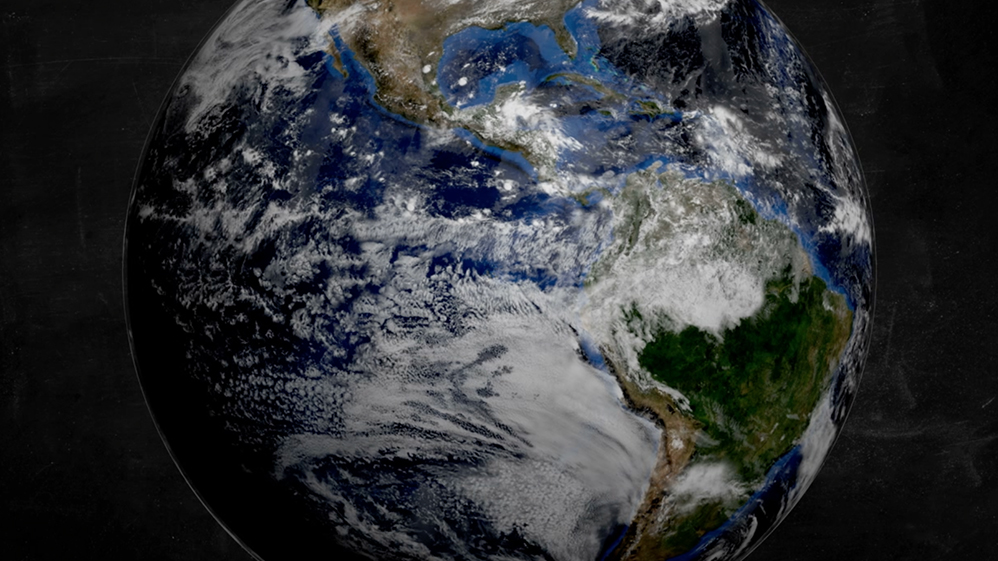
How Did Life Begin on Earth?
Where Did the Universe Come From?
What Happens if You Fall Into a Black Hole?
Explore All Videos
![Omololu Akin-Ojo in a blue checked suit sitting at his desk, framed by two laptops in the foreground.]](https://www.quantamagazine.org/wp-content/uploads/2020/03/Akin-Ojo_1920x1080_VidCover_03.jpg)
Omololu Akin-Ojo: Doing Cutting-Edge Physics in Africa
Omololu Akin-Ojo of the East African Institute for Fundamental Research discusses his plans to invigorate theoretical physics in Africa, including by focusing on problems related to energy and water that will especially impact the continent.

Nobel Laureate James P. Allison on the Origins of His Cancer Immunotherapy Research
James P. Allison of the University of Texas MD Anderson Cancer Center discusses what initially drew him to immunology as a field and why many scientists used to be skeptical that an immunological strategy for killing cancers would work.

Scarlett Howard on the Lessons of Teaching Bees Math
Scarlett Howard describes how and why she taught honeybees math.

Barbara Liskov on the Future of Computer Science
Barbara Liskov addresses the challenges that confront computer science.

Virginia Trimble on How Astronomy Has Changed
Virginia Trimble discusses how astronomy has changed over the course of her half-century career.

Stephanie Wehner Aims to Build a Quantum Internet
Wehner discusses the advantages of transmitting qubits rather than bits across a long-distance communication network.

Craig Callender on the Trouble With Black Hole Thermodynamics
Craig Callender explains why the connection between black holes and thermodynamics is little more than an analogy.

Iyad Rahwan: Why We Need a Science of Machine Behavior
The behavior of algorithms is so complex and surprising that we need to study them as though they were animals in the wild.

Carlo Rubbia on the Future of Particle Physics
Carlo Rubbia explains why he thinks particle physicists should take the next step by building a “Higgs factory.”