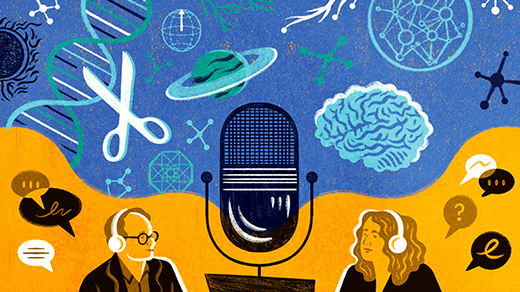






The podcast returns with 12 all-new episodes that explore the biggest questions in basic science and mathematics.
Son of Alan for Quanta Magazine
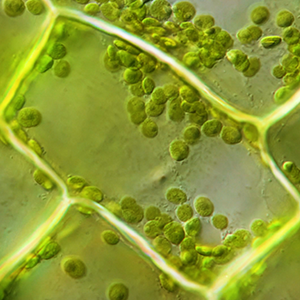
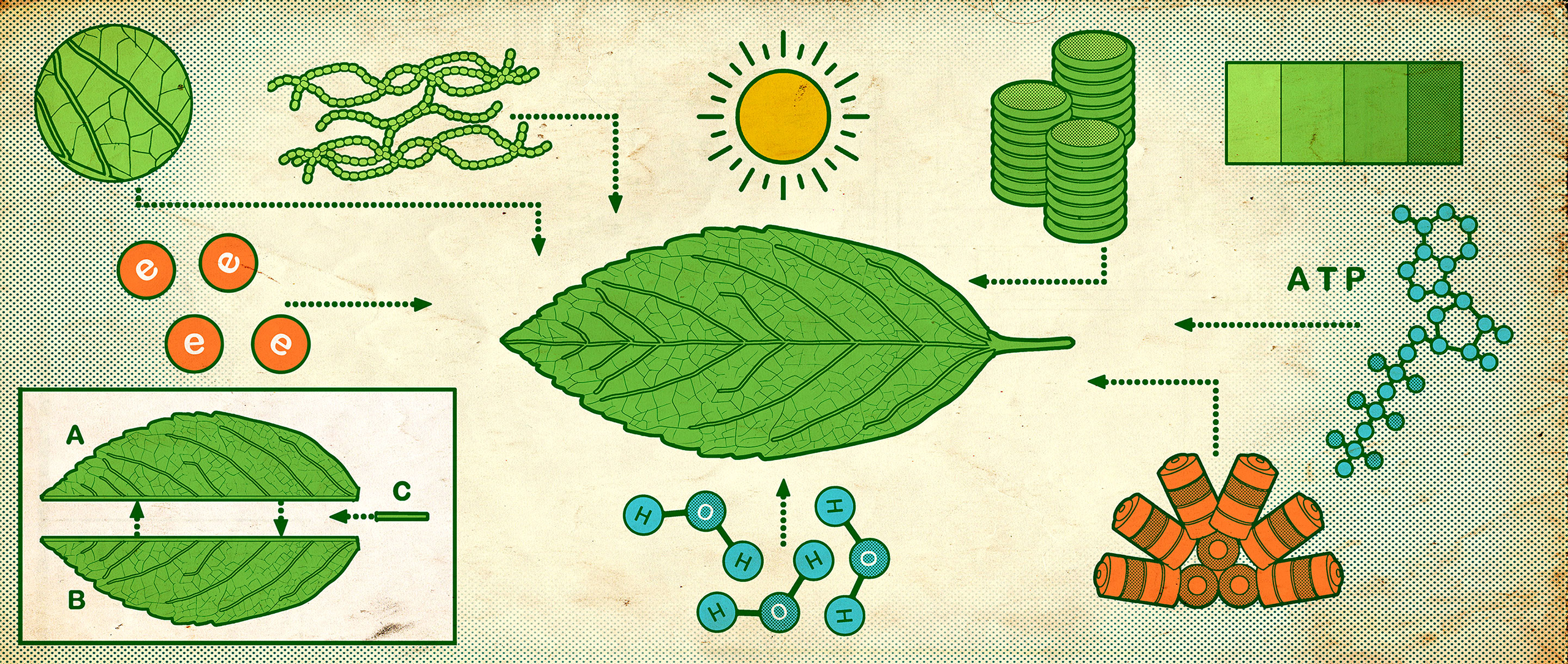
An ancient lineage of cyanobacteria is helping biologists uncover an early evolutionary stage of the mind-boggling process that turns light into life.
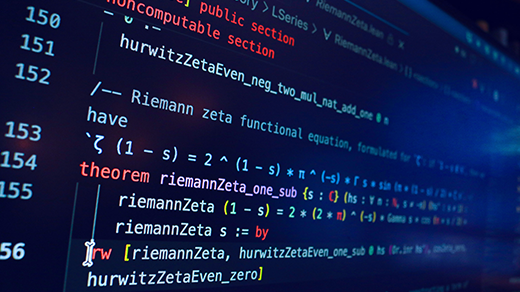
With automated proof-checkers, a problem can be broken up into small chunks, solved bit-by-bit, then reassembled with confidence that every piece is correct. For some, this heralds a new area in mathematical research.
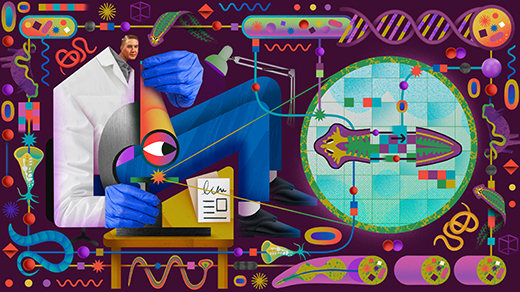
In the 1960s, worm-training experiments and their strange implications captivated the nation. Columnist Claire L. Evans follows the neuroscientists who attempted to recapture the magic.
The podcast returns with 12 all-new episodes that explore the biggest questions in basic science and mathematics.
In holographic theories, physicists may have traced the pliability of space-time to its quantum roots: a measure of quantumness known as “magic.”
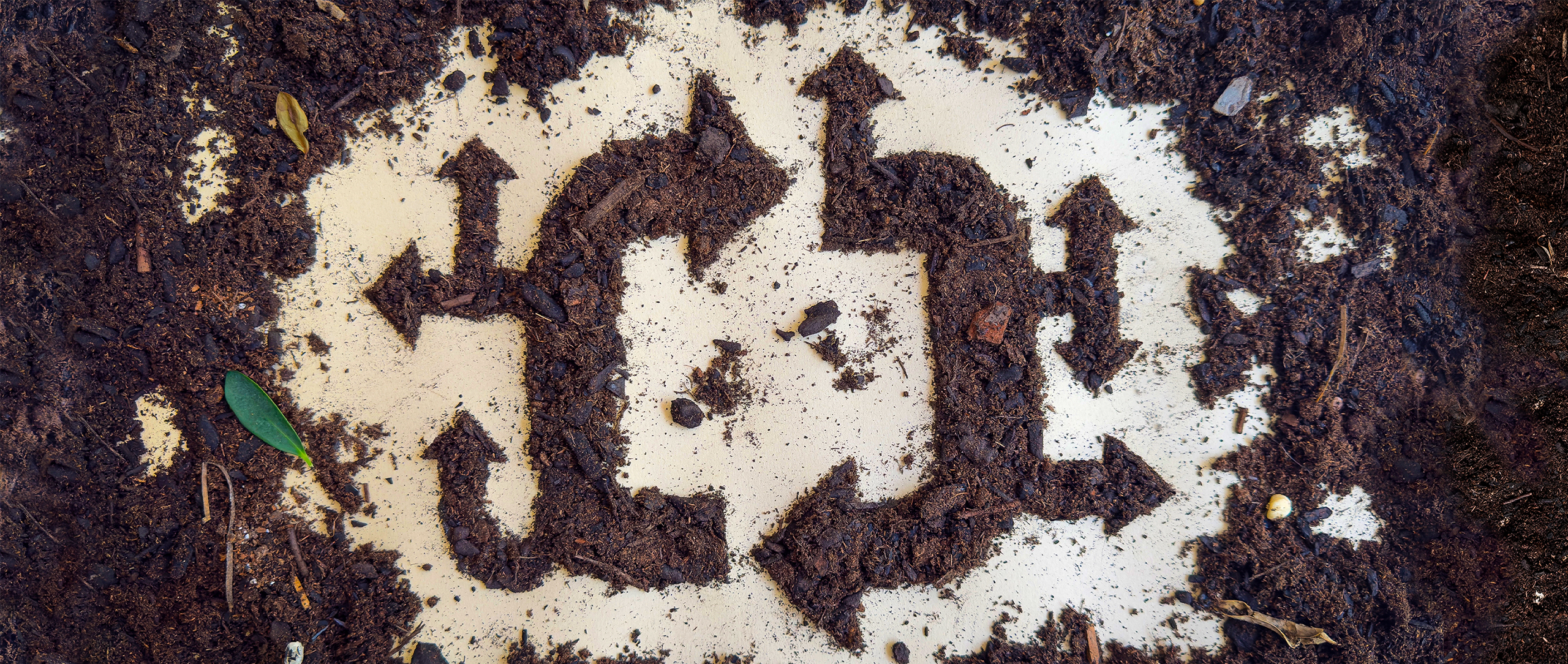
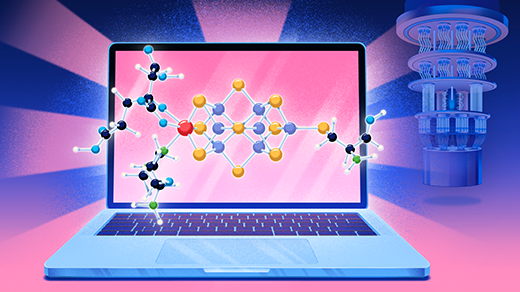
Do we need quantum computers to fully understand complex chemical reactions? A new result, decades in the making, shows the surprising power of ordinary “classical” machines.
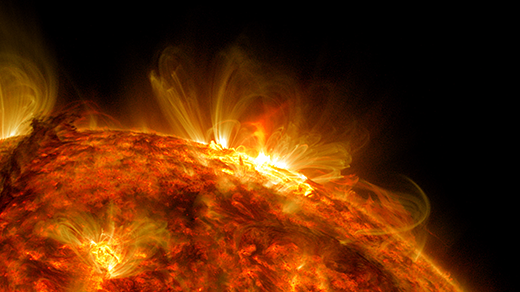
Over hundreds of years, increasingly sophisticated instruments have revealed — and continue to reveal — the secrets of our star.
Earth’s largest volcanic system, hidden in mountain chains under the sea, has long been assumed to erupt only quietly. The shallow seafloor off Iceland tells another story.
Chris Young/Quanta Magazine; Carlos Arrojo for Quanta Magazine
The podcast returns with 12 all-new episodes that explore the biggest questions in basic science and mathematics.
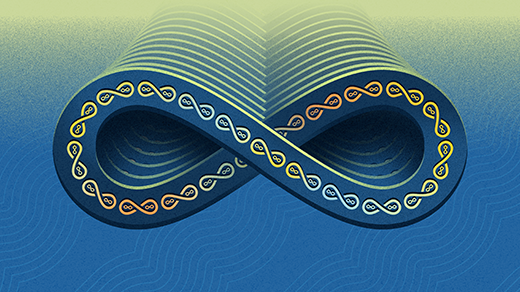
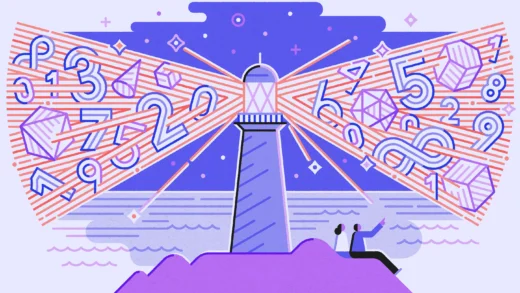
Intuition breaks down once we’re dealing with the endless. To begin with: Some infinities are bigger than others.
Illuminating basic science and math research through public service journalism.
More about usQuanta Magazine is committed to in-depth, accurate journalism that serves the public interest. Each article braids the complexities of science with the malleable art of storytelling and is meticulously reported, edited and fact-checked. Launched and funded by the Simons Foundation, Quanta is editorially independent — our articles do not reflect or represent the views of the foundation.