Wired to Learn: The Next AI
Latest Articles
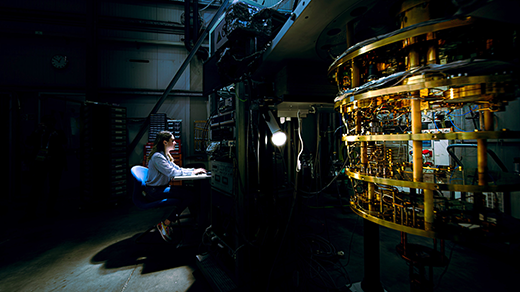
A Through-The-Lens Look at the World’s Particle Physics Labs
The winning entries in the 2025 Global Physics Photowalk contest showcase the beauty of toil and discovery.
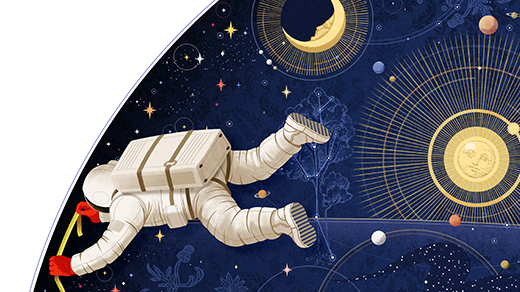
In Expanding de Sitter Space, Quantum Mechanics Gets Even More Elusive
The basic shape that best describes our expanding universe is also the hardest shape for physicists to understand.

When Coupled Volcanoes Talk, These Researchers Listen
Around the world, volcanologists are following the path of magma as it travels between connected volcanoes, in an effort that could lead to improved eruption forecasts.
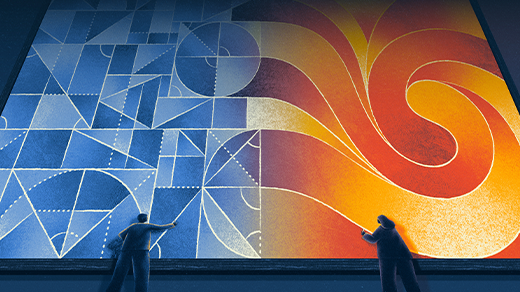
In Math, Rigor Is Vital. But Are Digitized Proofs Taking It Too Far?
The quest to make mathematics rigorous has a long and spotty history — one mathematicians can learn from as they push to formalize everything in the computer program Lean.

How Writing Changes Mathematical Thought
David E. Dunning explores how mathematical notation is a social, world-building technology.
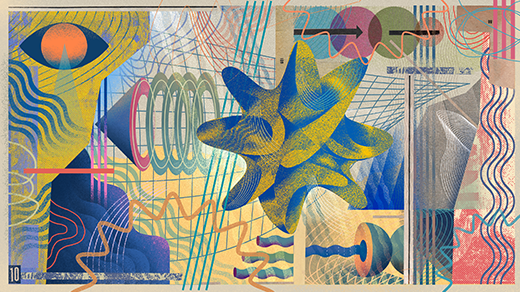
Are Strings Still Our Best Hope for a Theory of Everything?
Columnist Natalie Wolchover examines the latest developments in the “forever war” over whether string theory can describe the world.
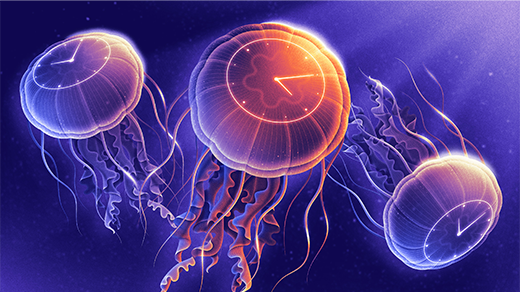
The Jellies That Evolved a Different Way To Keep Time
Off the coast of Japan, biologists netted a pea-size jellyfish with an unusual circadian clock — a chance finding that suggests there are likely more overlooked biological timekeeping mechanisms to be discovered.
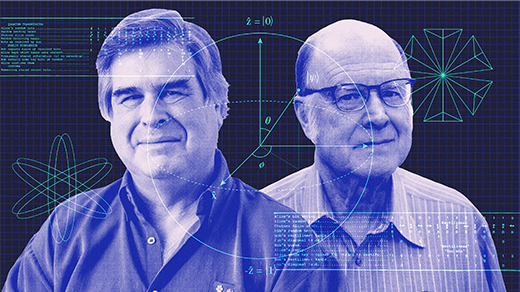
Quantum Cryptography Pioneers Win Turing Award
Charles Bennett and Gilles Brassard were recognized for their foundational work in quantum information science.
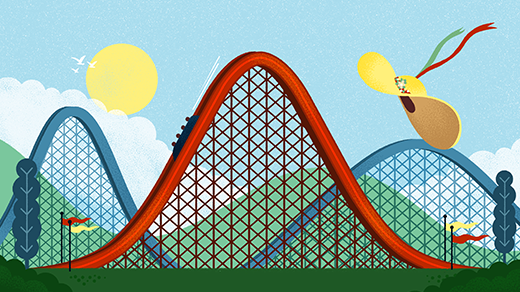
The Math That Explains Why Bell Curves Are Everywhere
The central limit theorem started as a bar trick for 18th-century gamblers. Now scientists rely on it every day.