What's up in
Features
Latest Articles
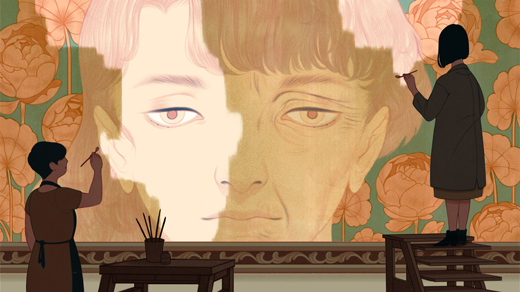
To Heal Some Wounds, Adult Cells Turn More Fetal
Once again, body cells reveal unexpected plasticity: In a newly discovered type of wound healing, which some researchers call “paligenosis,” adult cells revert to a more fetal state.
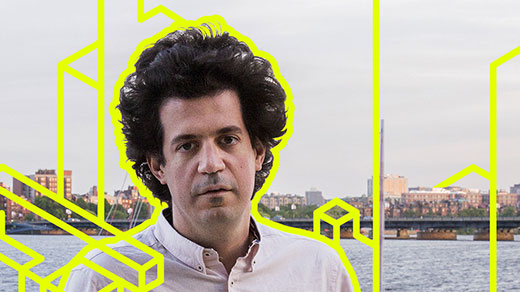
A Poet of Computation Who Uncovers Distant Truths
The theoretical computer scientist Constantinos Daskalakis has won the Rolf Nevanlinna Prize for explicating core questions in game theory and machine learning.
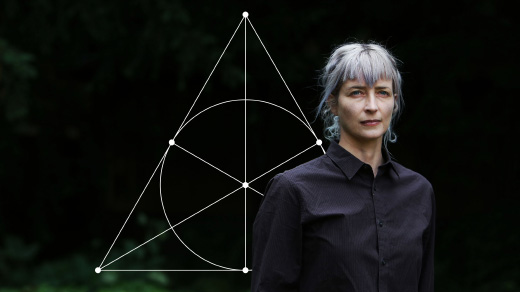
The Peculiar Math That Could Underlie the Laws of Nature
New findings are fueling an old suspicion that fundamental particles and forces spring from strange eight-part numbers called “octonions.”

To Make Sense of the Present, Brains May Predict the Future
A controversial theory suggests that perception, motor control, memory and other brain functions all depend on comparisons between ongoing actual experiences and the brain’s modeled expectations.
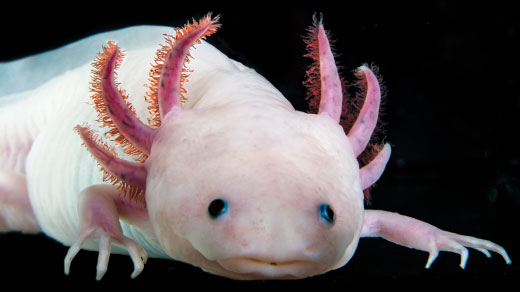
Salamander’s Genome Guards Secrets of Limb Regrowth
With a fully sequenced genome in hand, scientists hope they are finally poised to learn how axolotls regenerate lost body parts.
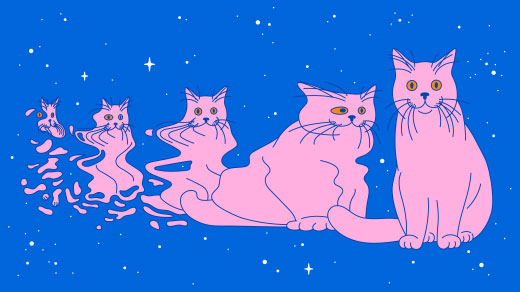
Real-Life Schrödinger’s Cats Probe the Boundary of the Quantum World
Recent experiments have put relatively large objects into quantum states, illuminating the processes by which the ordinary world emerges out of the quantum one.
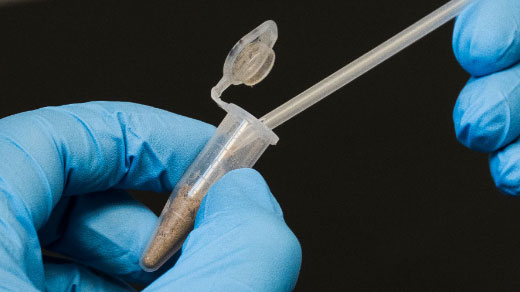
Vaccines Are Pushing Pathogens to Evolve
Just as antibiotics have bred resistance in bacteria, vaccines can potentially lose their effectiveness over diseases they controlled. Researchers are working to head off the evolution of new threats.
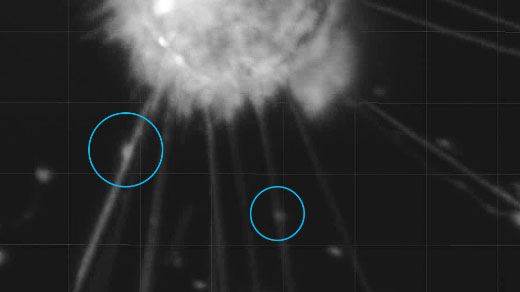
Cells Talk and Help One Another via Tiny Tube Networks
Long-overlooked “tunneling nanotubes” and other bridges between cells act as conduits for sharing RNA, proteins or even whole organelles.
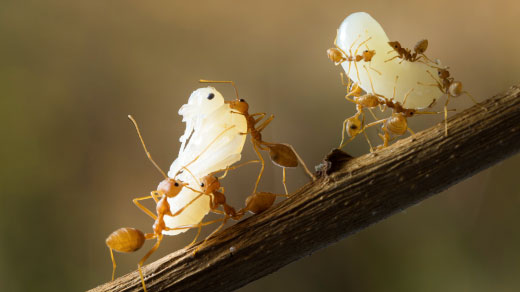
The Elusive Calculus of Insects’ Altruism and Kin Selection
How the ultra-cooperative behavior of ants, bees and other social insects could have evolved continues to challenge formal analysis. But a new theory about hedging bets against nature’s unpredictability may change the math and shift the debate.