What's up in
Synthetic biology
Latest Articles
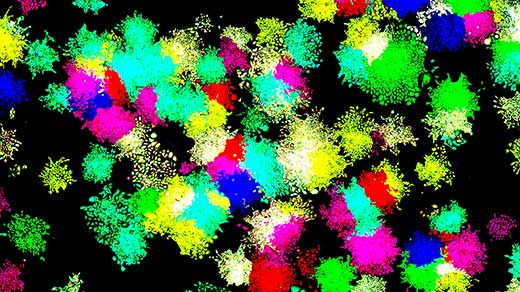
Simple Gene Circuits Hint at How Stem Cells Find New Identities
Synthetic biology experiments suggest a “MultiFate” model for how genetically identical cells become the many different types found in complex organisms like us.
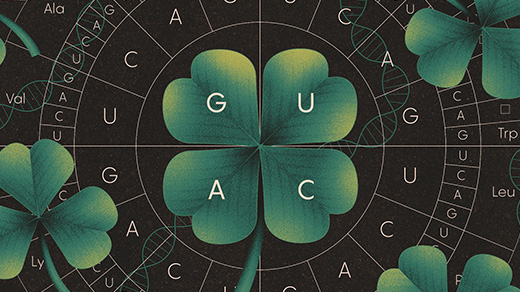
Life With Longer Genetic Codes Seems Possible — but Less Likely
Life could use a more expansive genetic code in theory, but new work shows that improving on three-letter codons would be a challenge.
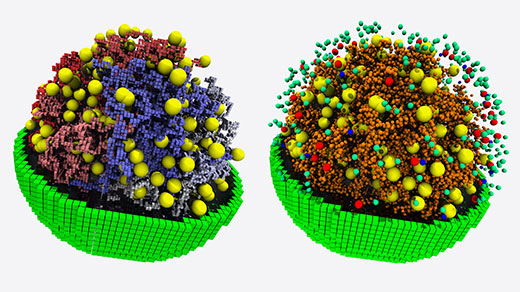
Most Complete Simulation of a Cell Probes Life’s Hidden Rules
A 3D digital model of a “minimal cell” leads scientists closer to understanding the barest requirements for life.

Biologists Rethink the Logic Behind Cells’ Molecular Signals
The molecular signaling systems of complex cells are nothing like simple electronic circuits. The logic governing their operation is riotously complex — but it has advantages.
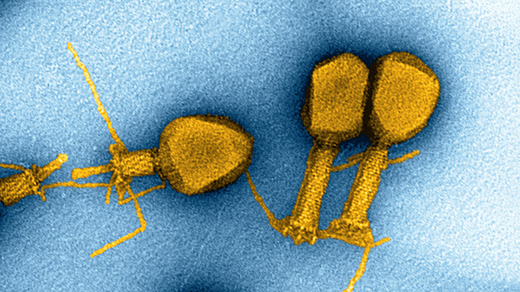
DNA Has Four Bases. Some Viruses Swap in a Fifth.
The DNA of some viruses doesn’t use the same four nucleotide bases found in all other life. New work shows how this exception is possible and hints that it could be more common than we think.
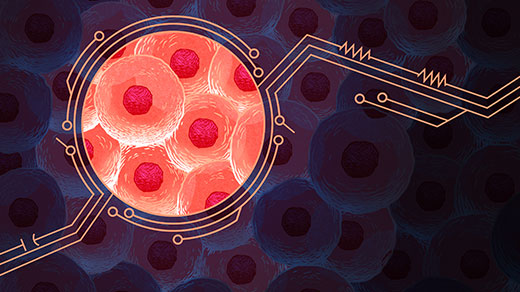
Math Reveals the Secrets of Cells’ Feedback Circuitry
Maintaining perfect stability through negative feedback is a basic element of electrical circuitry, but it’s been a mystery how cells could do it — until now.
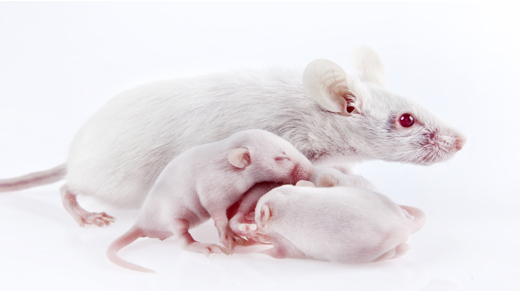
Gene Drives Work in Mice (if They’re Female)
Biologists have demonstrated for the first time that a controversial genetic engineering technology works, with caveats, in mammals.

How Many Genes Do Cells Need? Maybe Almost All of Them
An ambitious study in yeast shows that the health of cells depends on the highly intertwined effects of many genes, few of which can be deleted together without consequence.
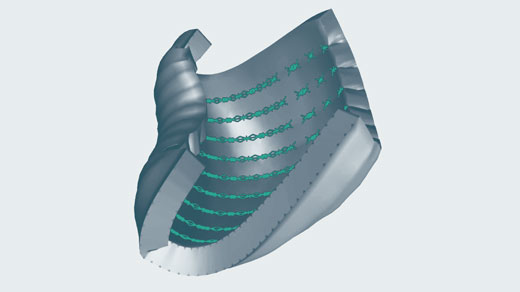
Tissue Engineers Hack Life’s Code for 3-D Folded Shapes
Mechanical tension between tethered cells cues developing tissues to fold. Researchers can now program synthetic tissue to make coils, cubes and rippling plates.