What's up in
The Quanta Podcast
Latest Articles
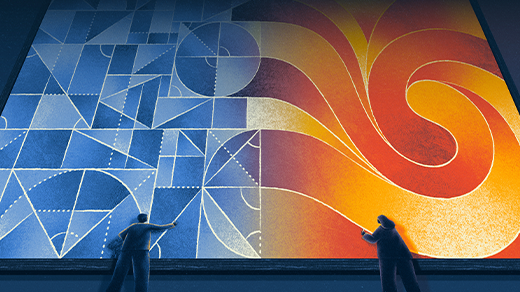
In Math, Rigor Is Vital. But Are Digitized Proofs Taking It Too Far?
The quest to make mathematics rigorous has a long and spotty history — one mathematicians can learn from as they push to formalize everything in the computer program Lean.
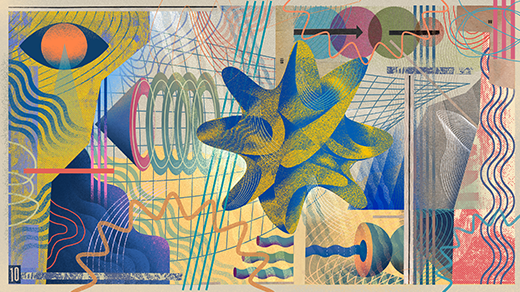
Are Strings Still Our Best Hope for a Theory of Everything?
Columnist Natalie Wolchover examines the latest developments in the “forever war” over whether string theory can describe the world.
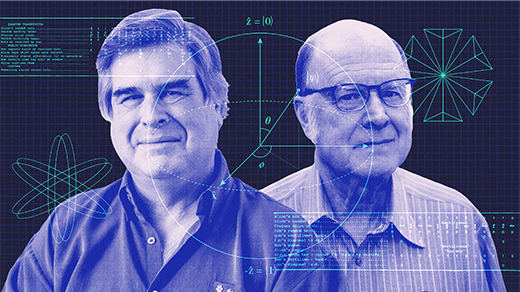
Quantum Cryptography Pioneers Win Turing Award
Charles Bennett and Gilles Brassard were recognized for their foundational work in quantum information science.
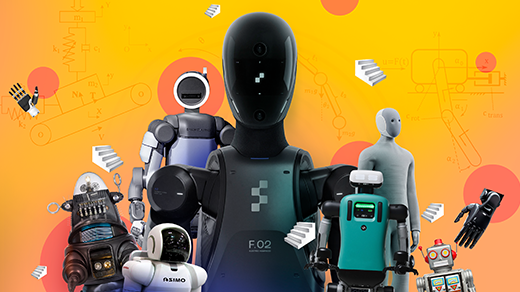
Why Do Humanoid Robots Still Struggle With the Small Stuff?
The last decade has seen vast improvements in humanoid robots, but graduating to widespread use might require going back to the fundamentals.
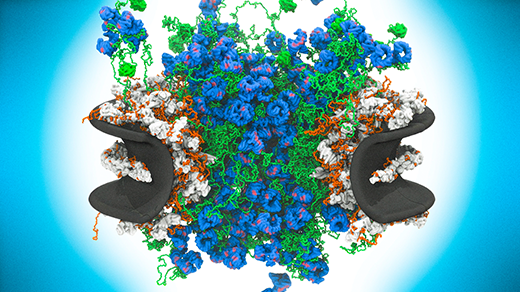
Disorder Drives One of Nature’s Most Complex Machines
Every second, hundreds to thousands of molecules move through thousands of nuclear pores in each of your cells. A new high-definition view reveals the machine in action.
The Man Who Stole Infinity
In an 1874 paper, Georg Cantor proved that there are different sizes of infinity and changed math forever. A trove of newly unearthed letters shows that it was also an act of plagiarism.
Are the Mysteries of Quantum Mechanics Beginning To Dissolve?
Columnist Philip Ball thinks the phenomenon of decoherence might finally bridge the quantum-classical divide.
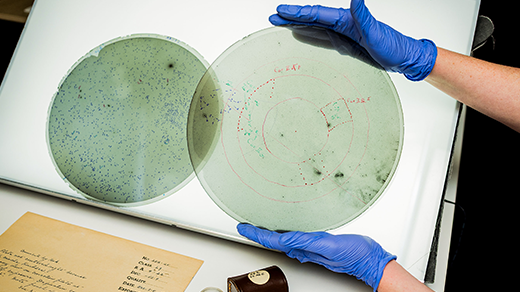
How Modern and Antique Technologies Reveal a Dynamic Cosmos
Today’s observatories document every pulse and flash in the sky each night. To understand how the cosmos has changed over longer periods, scientists rely on a more tactile technology.
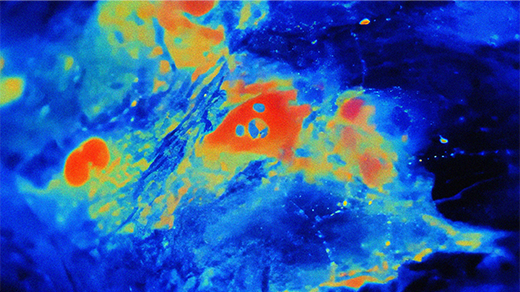
Once Thought To Support Neurons, Astrocytes Turn Out To Be in Charge
New experiments reveal how astrocytes tune neuronal activity to modulate our mental and emotional states. The results suggest that neuron-only brain models, such as connectomes, leave out a crucial layer of regulation.