Videos
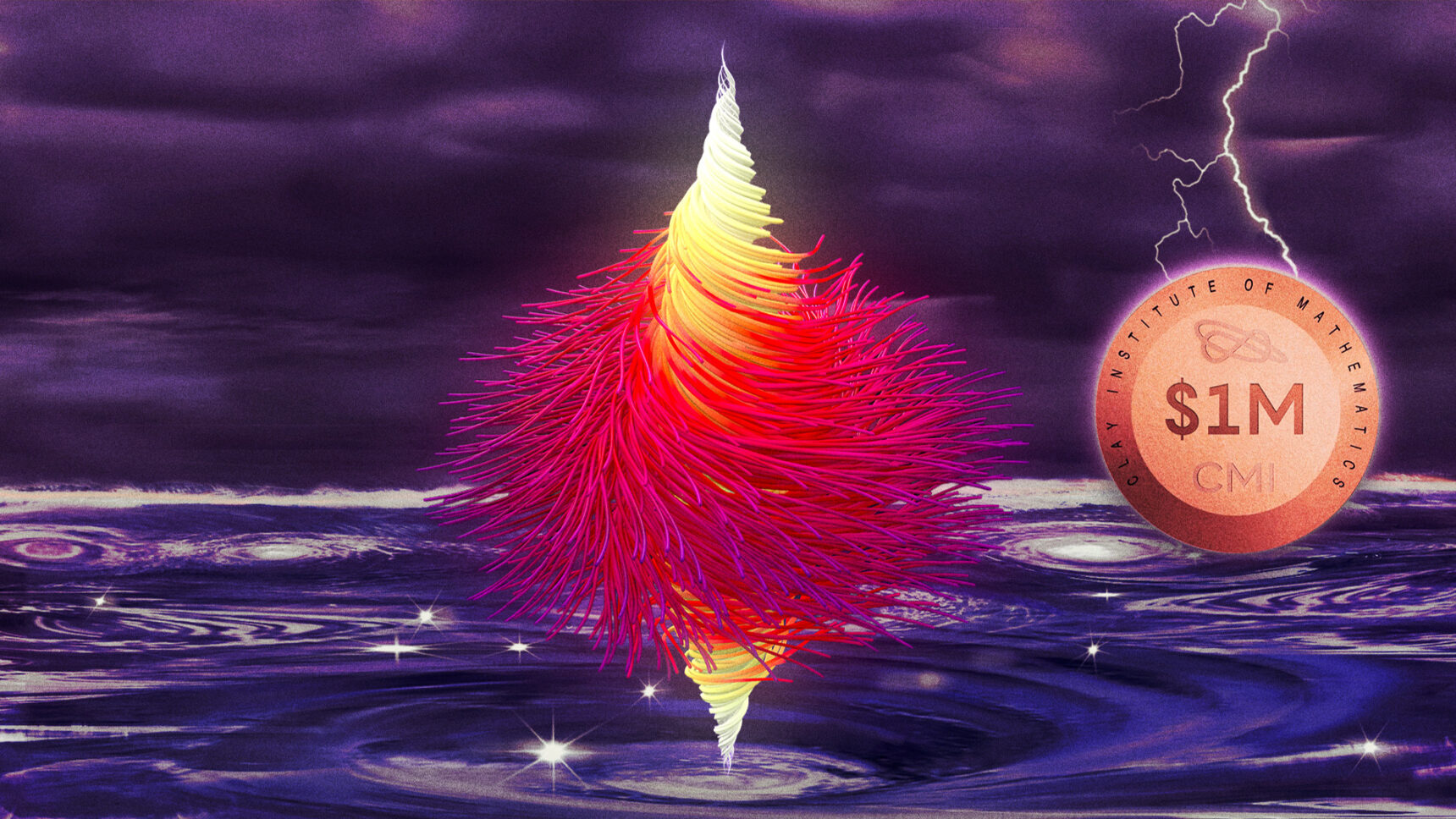
The Navier-Stokes Equations, Explained
This video explores why the Navier-Stokes equations are so difficult, what it means for their solutions to blow up, and how a new AI-assisted proof is reshaping one of mathematics’ most famous unsolved problems.
Read related article
Explore All Videos

Pencils Down: Channa Comer of Baychester Middle School
Channa Comer teaches 6th-grade science. She focuses on engagement so kids will want to keep learning.

Pencils Down: Aaron Mathieu of Acton-Boxborough Regional High School
Students need a chance to fail at science to learn about its process, says Aaron Mathieu.

Pencils Down: Channa Comer Teaching About Scientific Controls
What’s a control? Channa Comer challenges her students to explain and work things out for themselves.

Pencils Down: The Art of Teaching Math and Science
What can we learn from the best teachers on the front lines? To shine a spotlight on this linchpin of our education system, Quanta Magazine followed four master science and math teachers into their classrooms.
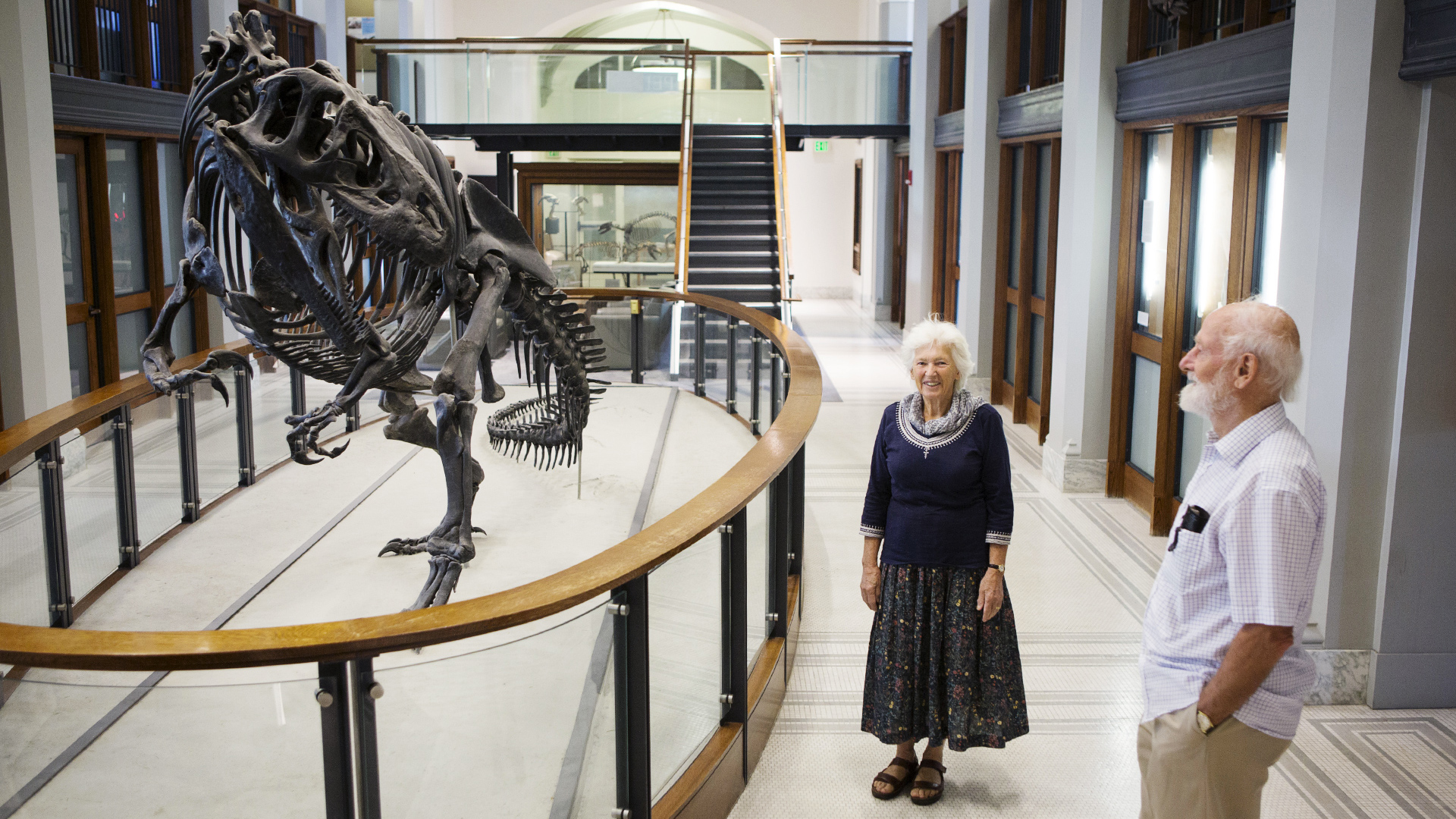
Peter and Rosemary Grant: Watching Evolution Happen in Two Lifetimes
Peter and Rosemary Grant explain how our understanding of evolution has changed in their lifetimes.

Tracy Slatyer: A Seeker of Dark Matter’s Hidden Light
Tracy Slatyer explains why she’s not disappointed when a mysterious cosmic signal turns out to be something other than dark matter.
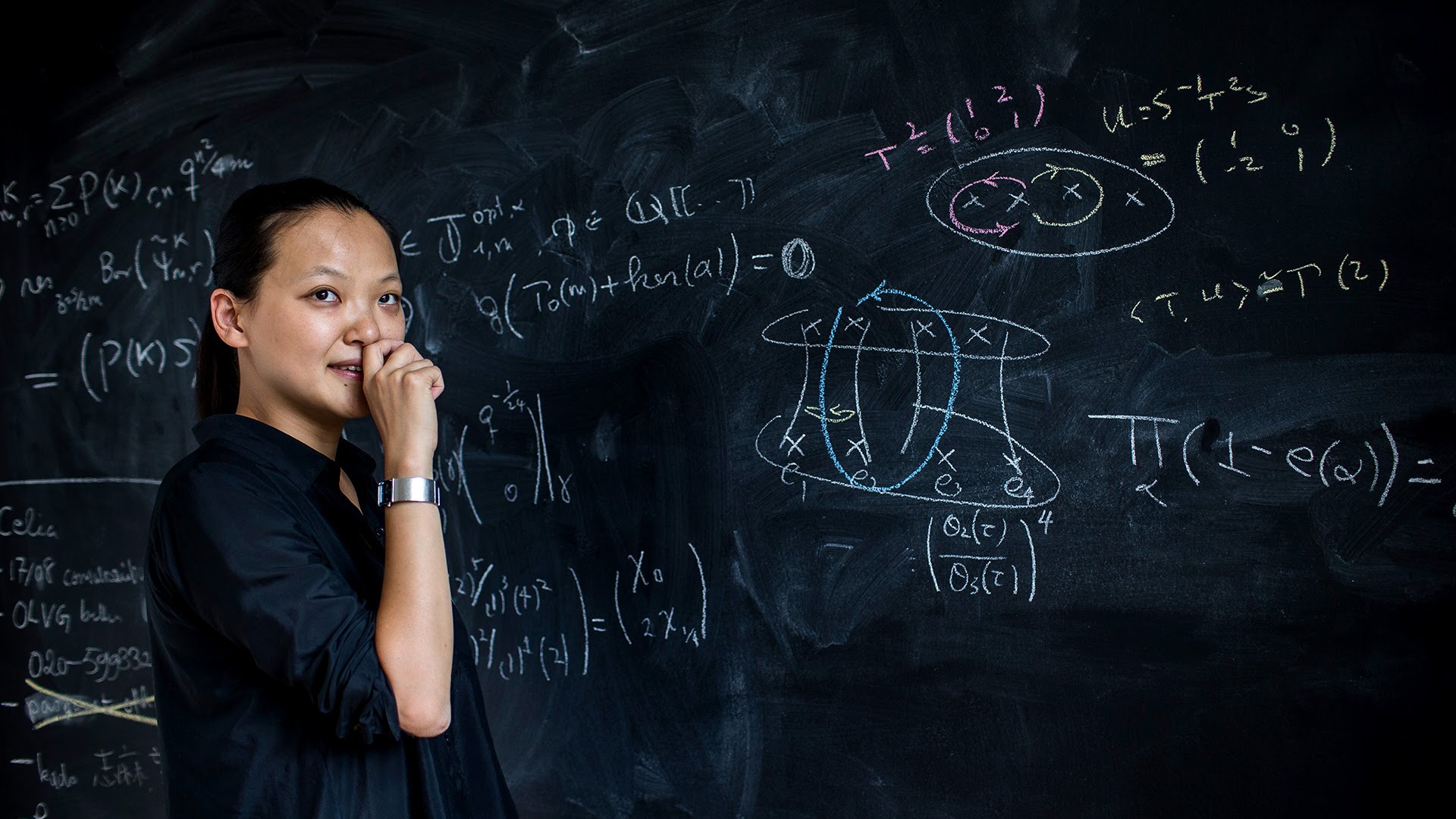
Miranda Cheng: A Moonshine Master Toys With String Theory
Miranda Cheng explains what umbral moonshine is and how it might illuminate string theory.

How Does Life Come From Randomness?
David Kaplan explains how the law of increasing entropy could drive random bits of matter into the stable, orderly structures of life.
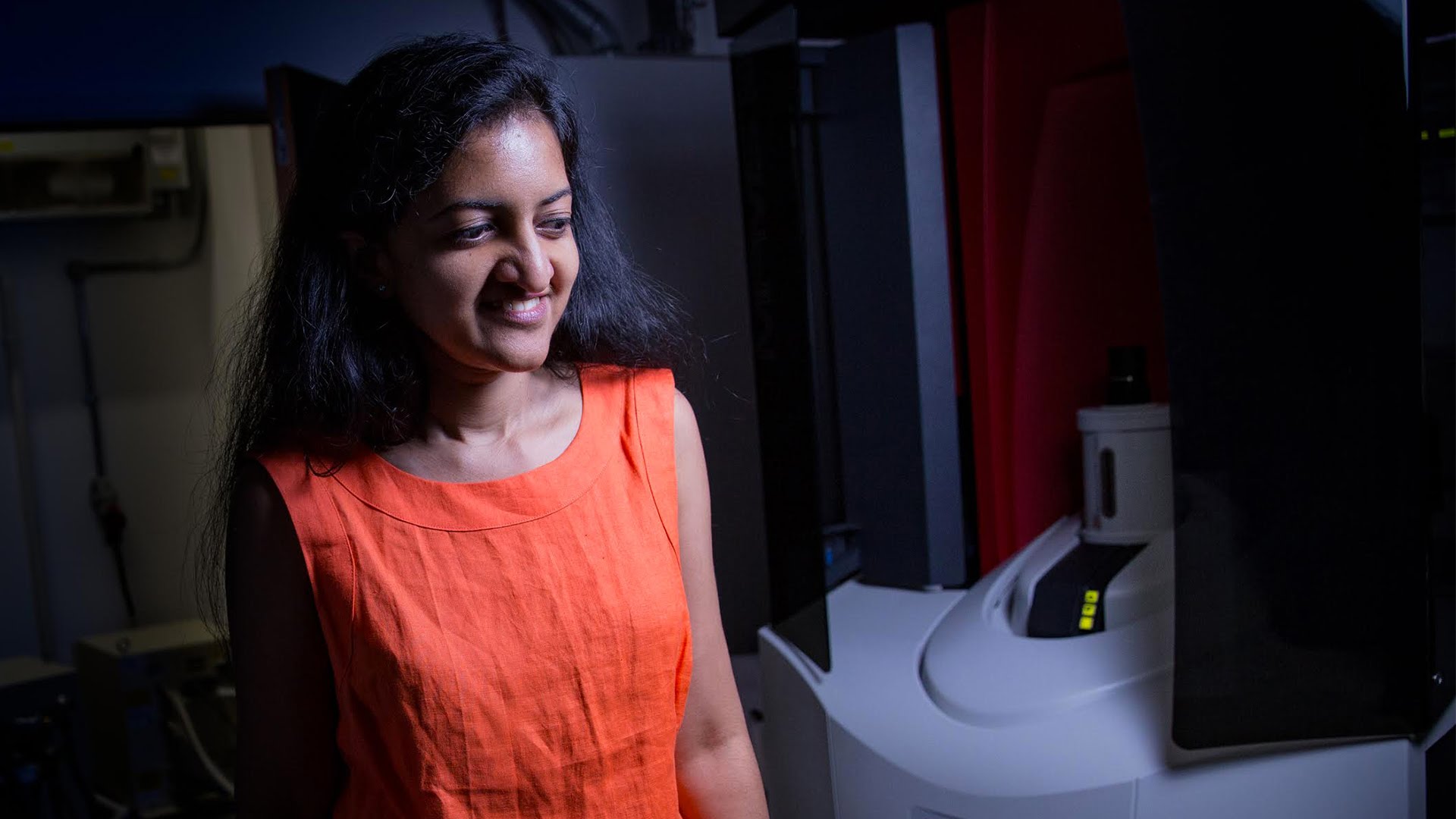
Suchitra Sebastian: An Explorer of Quantum Borderlands
Suchitra Sebastian talks about how extreme conditions can create unexpected quantum behavior.