
Latest Articles
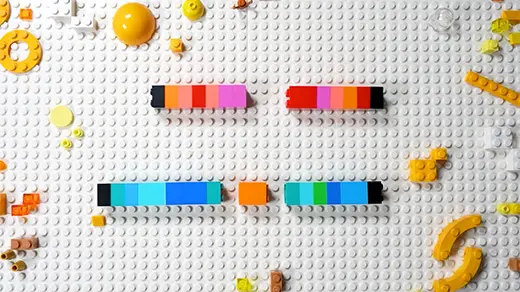
How Virus-like ‘Jumping Genes’ Became Our Partners in Evolution
Half of our genome is made of transposons — snips of DNA that can move and copy themselves. But they’re more than parasites or genetic junk.

The Organisms That Make Earth’s Harshest Places Home
Extremophiles that thrive in the most unforgiving environments aren’t just biological curiosities. Understanding their resilience has many implications for us.
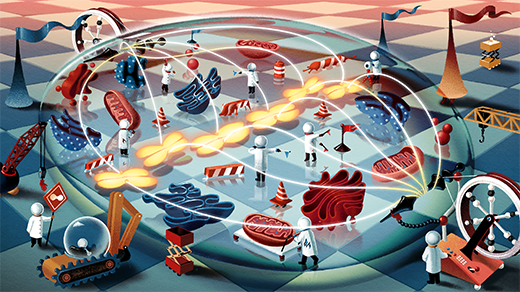
What Breaks a Cell’s Ribs Can Make It Stronger
The mechanical process of cell division exerts powerful, if microscopic, forces. How do the molecular machines that power it manage the strain?
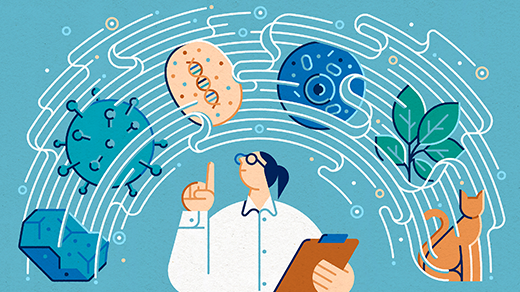
A Cell So Minimal That It Challenges Definitions of Life
The newly described microbe represents a world of parasitic, intercellular biodiversity only beginning to be revealed by genome sequencing.
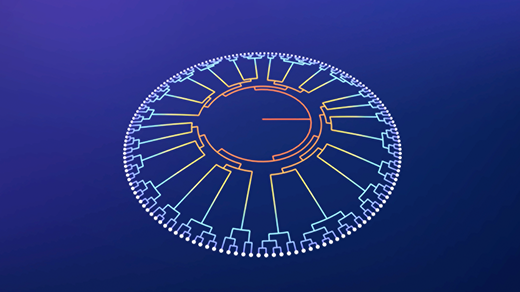
The Sudden Surges That Forge Evolutionary Trees
An updated evolutionary model shows that living systems evolve in a split-and-hit-the-gas dynamic, where new lineages appear in sudden bursts rather than during a long marathon of gradual changes.
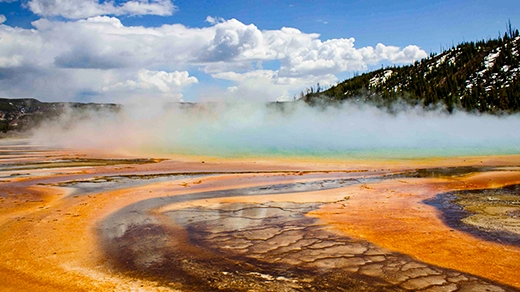
The Cells That Breathe Two Ways
In a hot spring at Yellowstone National Park, a microbe does something that life shouldn’t be able to do: It breathes oxygen and sulfur at the same time.
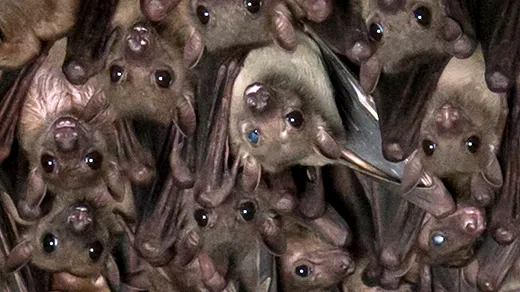
Bats Use the Same Brain Cells to Map Physical and Social Worlds
New research in social bats raises the intriguing possibility that evolution can reprogram the brain’s “place cells,” which are typically associated with location, to encode all kinds of environmental information.
How a DNA ‘Parasite’ May Have Fragmented Our Genes
A novel type of “jumping gene” may explain why the genomes of complex cells aren’t all equally stuffed with noncoding sequences.
A Billion Years Before Sex, Ancient Cells Were Equipped for It
Molecular detective work is zeroing in on the origins of sexual reproduction. The protein tools for cell mergers seem to have long predated sex — so what were they doing?