Genome Duplication Is a Radical Evolutionary Gamble
Ada Zejun Shen for Quanta Magazine
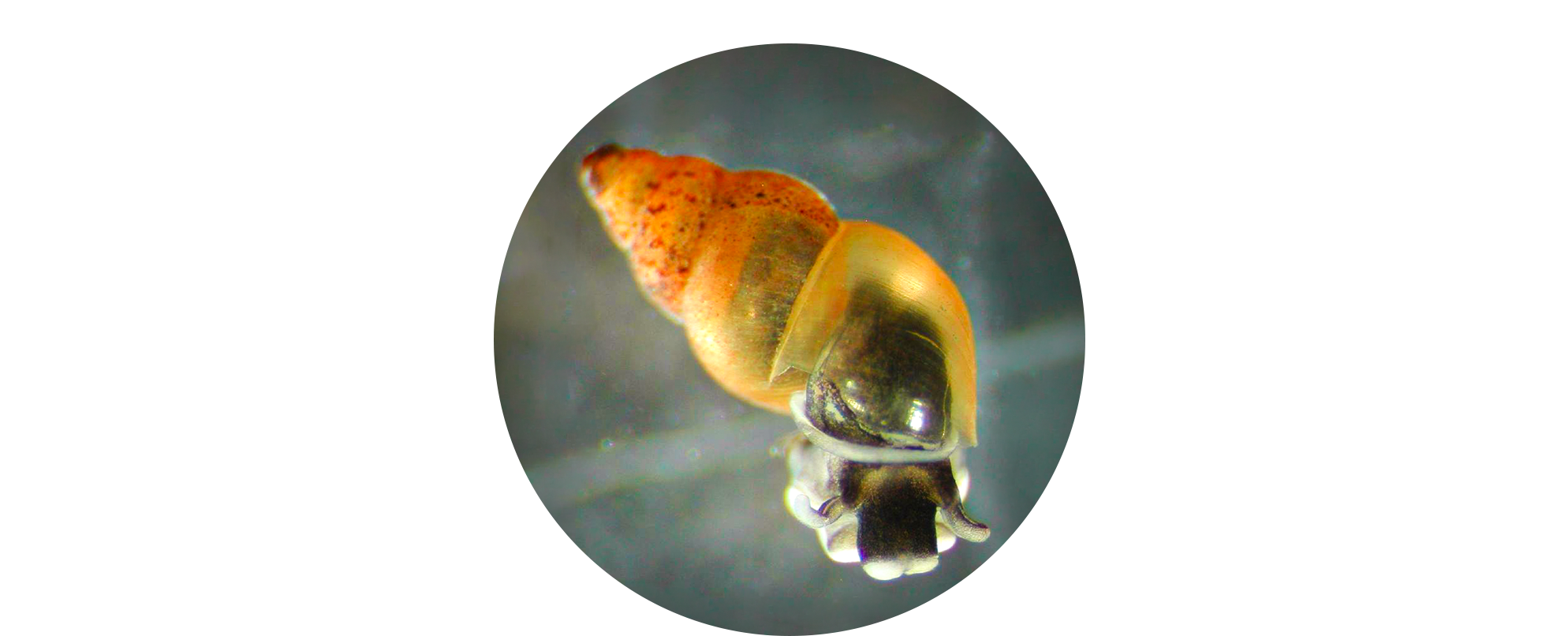
No larger than the head of a match, Potamopyrgus antipodarum doesn’t look very impressive. Few people visiting New Zealand’s Lake Alexandrina even notice the tiny gastropods littering the shores. The snail’s diminutive size, however, conceals a massive secret. Sometime in the recent past, its genome doubled. Instead of having two sets of chromosomes and two copies of every gene, the way most animals do, it has three or four — significantly more genetic material than it ought to have.
“We actually don’t know, for our snails or any other species, why this happens so reliably, again and again and again,” said the evolutionary biologist Maurine Neiman, who studies the species at the University of Iowa.
Scientists suspect that an organism inheriting three, four, or more sets of chromosomes instead of two (a condition called polyploidy) is, in most cases, a fatal error of cell division. Only a tiny fraction of whole-genome duplication events are thought to stabilize in a lineage. But those that do can have significant consequences.
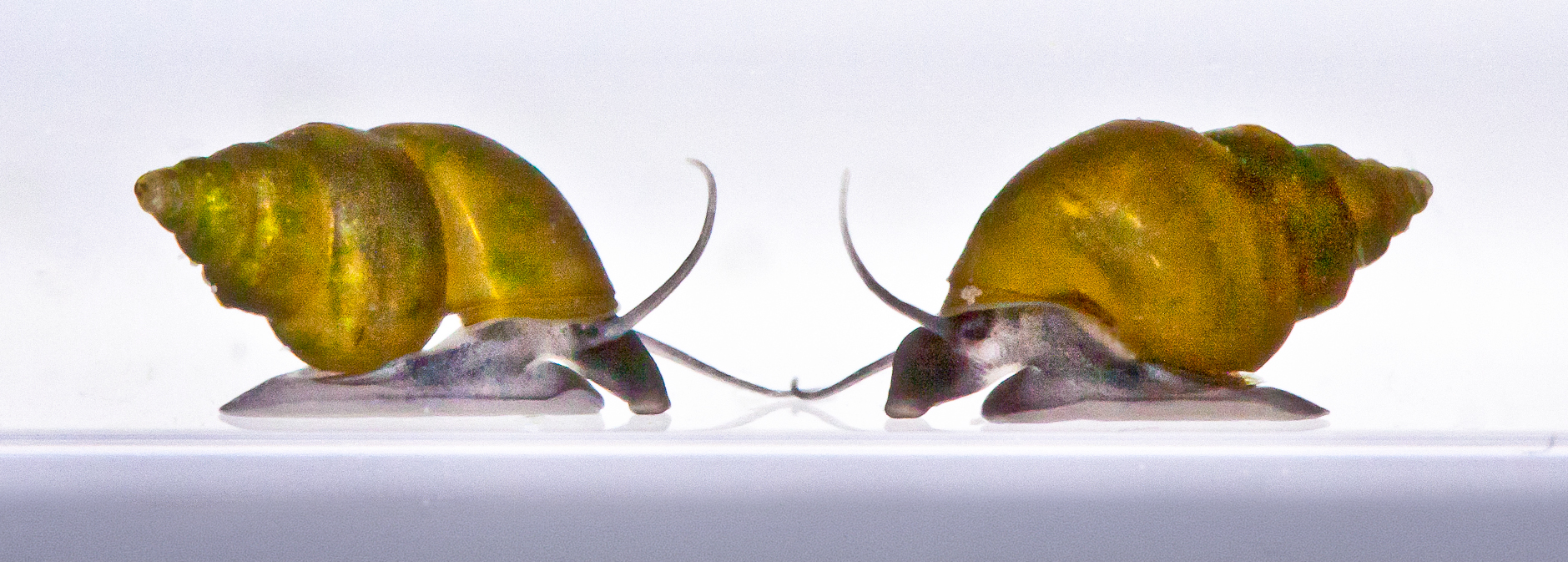
You wouldn’t be able to guess, but these snails have three or four sets of chromosomes in their cells, instead of the standard two.
Bart Zijlstra
“We like to think of it as a baseball hitter that strikes out a lot, but when they do hit, it’s a home run,” said Douglas Soltis, a plant evolutionary geneticist at the Florida Museum of Natural History. “Polyploidy is the most important process on the planet that hardly anybody knows anything about.”
Advances in whole-genome sequencing are changing that. Studies across the tree of life are finding that genome duplication isn’t exactly an infrequent occurrence. Among plants, it’s hard to avoid, said Jonathan Wendel, an evolutionary biologist at Iowa State University: All seed plants living today have experienced at least one ancient whole-genome duplication, and many have undergone more. Barnacles, insects, trout, and arachnids carry evidence of ancient duplications in their genomes. Biologists hotly debate whether the significant evolutionary changes that led to jawed vertebrates, from hagfish to humans, are connected by ancient gene duplications hundreds of millions of years ago.
Like gene inversions and translocations or single-nucleotide point mutations, a whole-genome duplication is a type of genetic mutation that fuels evolutionary change. In fact, genome doubling is the single most radical mutation an organism can experience in a single generation. Researchers are analyzing the whole genomes of diverse species to find out how organisms manage not only to survive such a potentially lethal event, but also to thrive and adapt in its wake. “All these different interrogative tools have opened up this world to us that we could not see and hence did not know existed,” Wendel said.
A story of how this process unfolds is being written in potamo’s genome. Neiman’s team dated the snail’s genome duplication to less than a million years ago — incredibly recent in evolutionary terms, but long enough ago for the species to have begun the longer process of adjusting to its heavier genomic load. That recency is giving Neiman a close view of how potamo has managed its polyploid existence.
This is the latest evidence amid a growing awareness of polyploidy that is shifting science’s understanding of genome duplication’s evolutionary importance. The serene shores of Lake Alexandrina are about as far from the Las Vegas strip as you can get, but that didn’t stop potamos from taking one of evolution’s biggest gambles.
Genetic Backup
Until the advent of widespread DNA sequencing, polyploidy remained largely shrouded in mystery. Scientists knew that it happened: It was obvious to anyone in the habit of counting chromosomes under a microscope. But it wasn’t until researchers could analyze genomes, base pair by base pair, that they began to appreciate the full implications of whole-genome duplication.
Analyzing base pairs is how the evolutionary biologist Kenneth Wolfe at University College Dublin became interested in polyploidy. When he started his lab in the early 1990s, he took advantage of a European Union initiative that would pay scientists 2 euros per nucleotide to sequence the genome of baker’s yeast, Saccharomyces cerevisiae. (In 2022, sequencing cost roughly $0.000000006 per nucleotide in U.S. dollars.) Wolfe wasn’t especially interested in yeast, but his lab needed the money. Later, when he and other researchers with the Saccharomyces Genome Sequencing Project started sharing their results, they noticed something interesting.
“There just seemed to be an awful lot of duplicated genes in these genomes,” he recalled. As the genome project reached completion, Wolfe and his team found that yeast DNA was full of doubled regions. The duplicated segments were around 60% identical, and regions of closely related DNA were separated by far longer stretches of unique genes. “You could really see the history of what had happened,” he said. “You could track every gene and see what happened to it.”
Wolfe suspected that he was seeing evidence of a past genome duplication event alongside indications that the cells were in the process of pruning back excess DNA. Wolfe’s 1997 Nature paper on the subject helped turn increasing attention to both polyploidy and the inverse process, rediploidization, in which an organism retains some of its doubled genes and discards others, ultimately bringing the genome back to a streamlined diploid state.
As the complete genome sequences of other model organisms began trickling in, Wolfe used his bioinformatics expertise to look for genome duplications there. The roundworm Caenorhabditis elegans was devoid of polyploidy. So, too, was the fruit fly. Perhaps, Wolfe mused, what he saw in yeast was a fluke. Then, in 2000, the genome of the model plant Arabidopsis was published.
“There was a genome duplication in there screaming at us,” he said. “And it wasn’t just my lab — several labs discovered this genome duplication.”
Past biologists had theorized about the evolutionary benefit of doubled genes. In 1970, the Japanese American geneticist Susumu Ohno had published Evolution by Gene Duplication, which posited that the duplication of individual genes was an underappreciated source of evolutionary novelty. A doubling event on its own can result in novel traits. Plus, with two copies of each gene, evolution can tinker with one version while keeping the other as a backup; a new function could emerge without a gene losing its existing use. The same could potentially be true if the entire genome was doubled. In his treatise, Ohno hypothesized that all vertebrate genomes contained evidence of an ancient genome duplication event. Subsequent genome sequencing has shown this to be the case.
“You might think that the genome, the blueprint of life, would be a stable thing,” said Sarah Otto, an evolutionary biologist at the University of British Columbia. “It’s not. It’s all over the map.”
The challenge for biologists studying polyploidy was that the cellular shock of sudden genome doubling is often lethal. Even offspring that survive are usually sterile and have no way of passing on the extra DNA. To find out how a polyploidy event could be survivable, they would need input from plant biologists, who had myriad opportunities to watch it unfold.
Radical Change
Several decades ago, in the dry prairies of eastern Washington, Pamela Soltis and Douglas Soltis began tracking a polyploidy event. They knew almost exactly when it had happened: Several species of a plant known as goatsbeard were brought to the United States from Europe in the mid-1920s. They hybridized, and before long, two new species emerged with 24 chromosomes — twice as many as the original species. By growing the plants from seed and studying their genomes, the Soltises could see what happens to cells in the immediate aftermath of genome duplication.
What they found was chaos. Almost as soon as the goatsbeard acquired the extra DNA, the plants started to tinker with their surplus of genes — changing some genes, getting rid of others, keeping a few, Douglas Soltis said. “Immediately, in one generation, they’re already beginning to get rid of certain copies of genes [and] not expressing certain genes as much as other genes.”
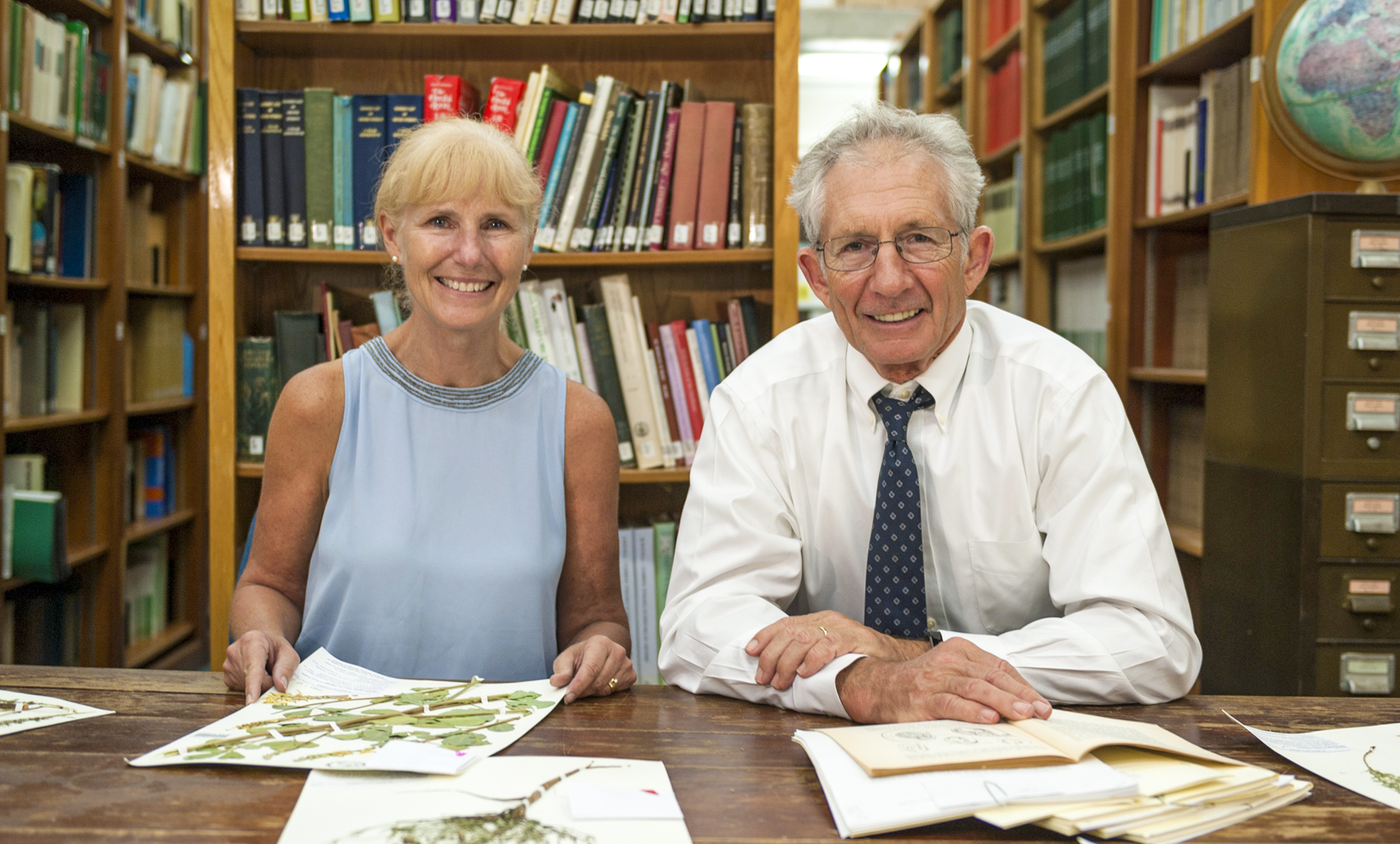
The married plant biologists Pamela and Doug Soltis have tracked a recent genome duplication in lab experiments. “You can watch evolution repeat itself,” Doug said.
Kristen Grace
Billions of years of evolution have optimized many eukaryotic cells, including those of plants and animals, for diploid genomes, where a cell carries two copies of each chromosome (one from the mother, one from the father). When an offspring is born with a duplicated genome, the cell is transformed by all the extra genetic material.
It’s the single biggest, most radical mutation that naturally occurs, according to the evolutionary biologist Kyle T. David, who has a joint appointment at Vanderbilt University and Cornell University. “It’s like instant speciation with one generation,” he said.
To create space for so much additional DNA, the nucleus enlarges. The cell synthesizes many more proteins from the additional gene sequences. And in some cases the process of synthesizing those proteins seems to take longer. Scientists don’t know why some species seem to adapt well to these changes, while for others polyploidy is a dead end.
“Things go wrong a lot of times, and it goes wrong in a lot of different species,” Otto said. “It is thought that there are polyploid humans produced, but they [spontaneously] abort early.”
Whether human or goatsbeard, the cell immediately begins performing triage. Genes are retained, tossed out, turned off, and modified. After their decades observing goatsbeard adapting to polyploidy in the lab, the Soltises can even predict which genes are most likely to get the boot and which are more likely to stick around.
“It’s amazing not only how fast it is, but that it’s repeatable,” Douglas Soltis said. “You can watch evolution repeat itself.” He speculates that there may be rules underlying genome doubling, though he admits they are still figuring out exactly what those rules might be.
What seems to stack the deck in favor of surviving whole-genome duplication, David said, is environmental shifts. And not small perturbations, either: Some researchers have noticed a pattern in which full-scale apocalyptic cataclysms, such as the asteroid collision that heralded the end of the dinosaurs 66 million years ago, occur around the same time as clusters of genome duplications. “With the severe environmental changes going on, you need a similar leap in your genome,” David said. “It just increases the chances that you’re going to get that really rare combination of duplicated gene families that can acquire new functions and can help under those traumatic environmental conditions.” However, a 2026 paper on the subject has proved controversial; a formal rebuttal claims that the analysis is flawed.
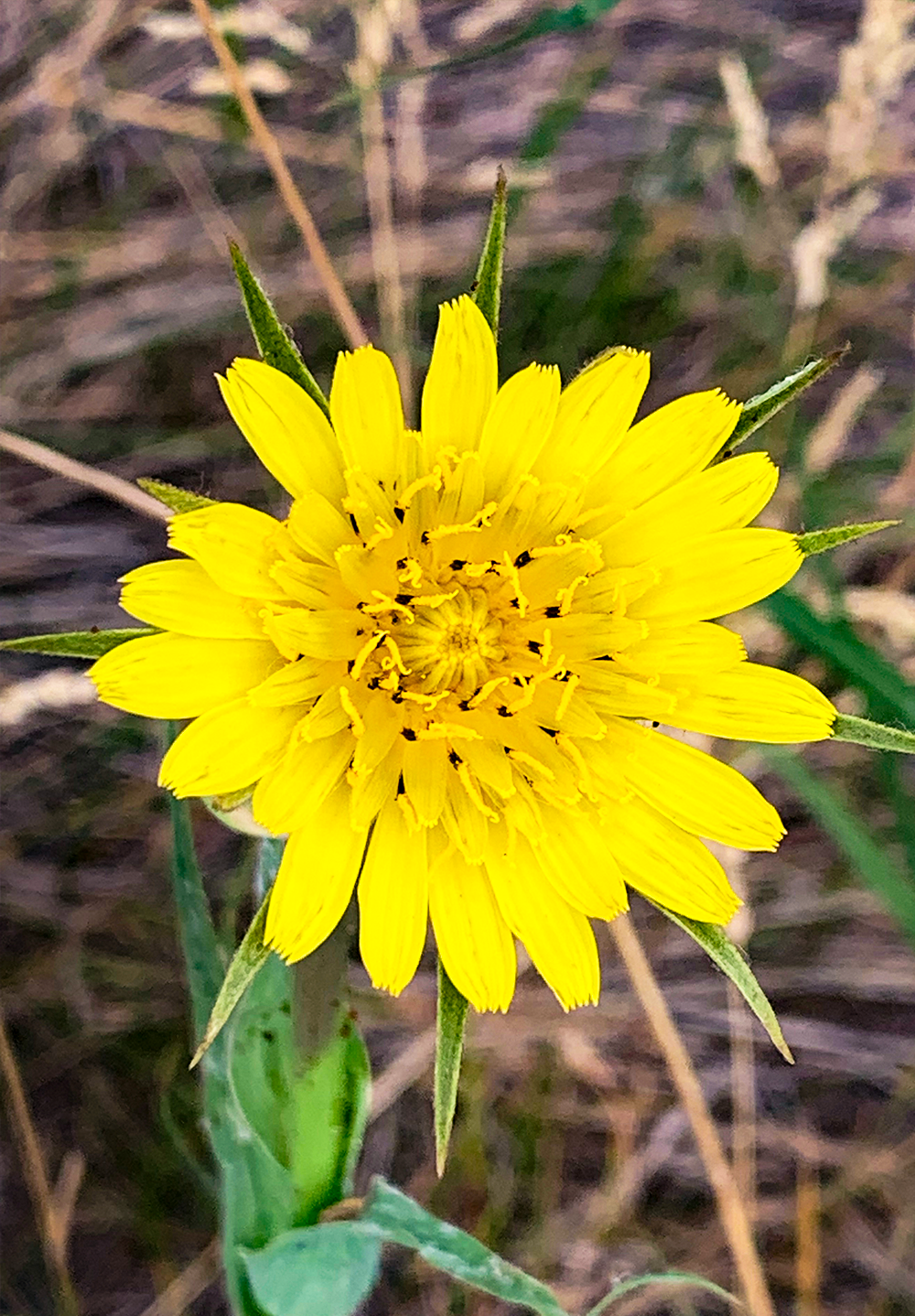
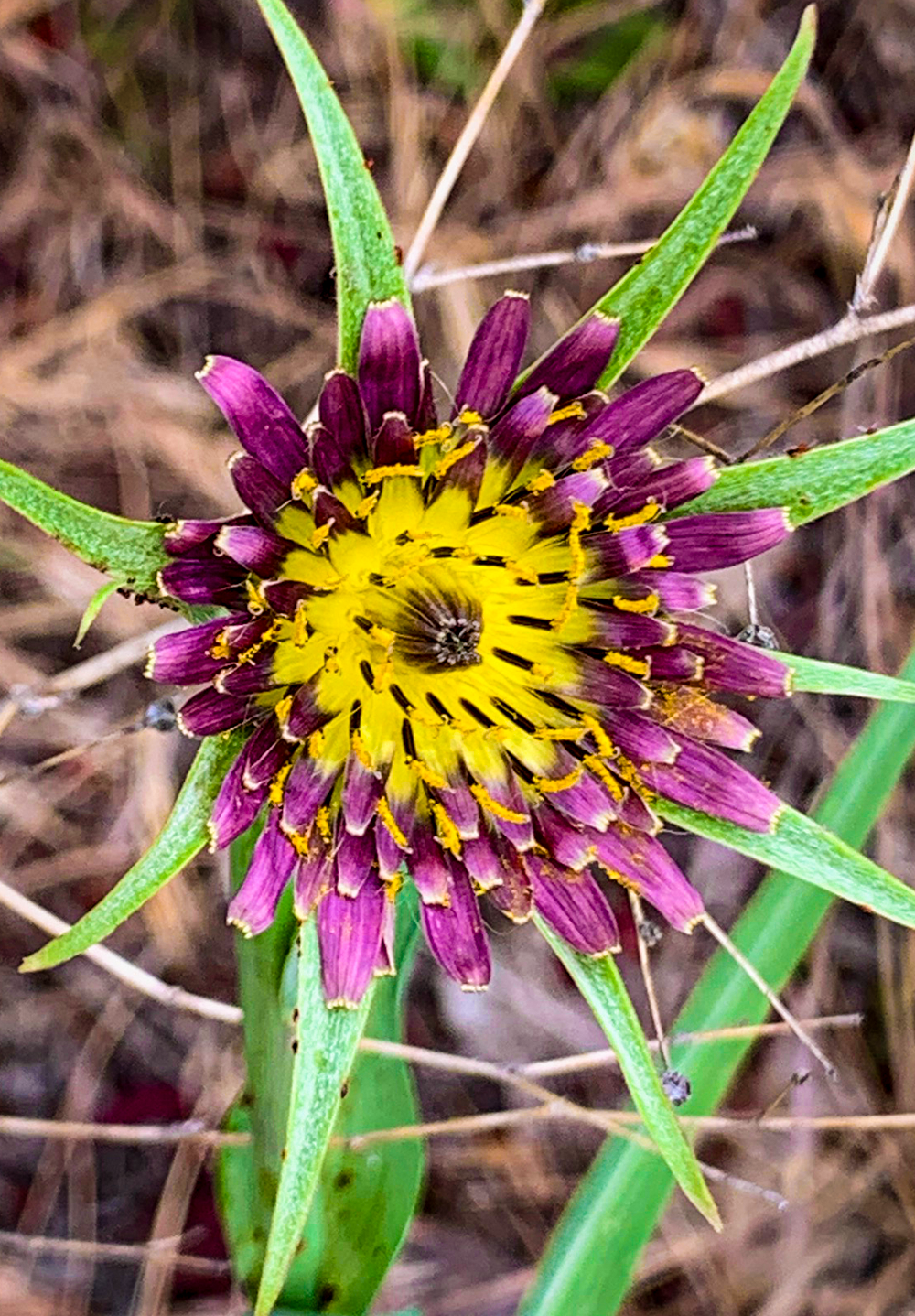
Two new species of polyploid goatsbeard have developed in eastern Washington within the past century.
Courtesy of Pamela and Douglas Soltis
As researchers begin to make headway on understanding the rare conditions that allow polyploids to propagate, other scientists are turning their attention to how duplicated genomes adapt to the sudden shock.
Going Big
When Neiman first traveled to New Zealand as an undergraduate on a study abroad program in the late 1990s, she couldn’t have predicted that research on the evolution of sex would eventually bring her back. On the shores of Lake Alexandrina, an alpine lake nestled among the craggy peaks of New Zealand’s South Island, most Potamopyrgus antipodarum snails reproduce sexually — the classic egg-meets-sperm. Some females, however, reproduce asexually by making clones of themselves. Neiman wanted to know why.
Except for the way they reproduce, the two types of snails are almost identical. Neiman figured that there must be some genetic difference between them. When her lab began piecing together the genomes of 30 different sexually reproducing potamo species, they stumbled upon something odd. While many of the genes they sequenced had two copies, one maternal and one paternal, as expected, others had three, even four.
When several doctoral students combed through the sequencing results, there was only one way to explain why so many extra gene copies were scattered across the whole of the potamo genome. Sometime in the last million or so years, the snail had undergone a whole-genome duplication.
“The snails are hiding this secret in their genome,” Neiman said. “No one expected that.”
She knew about ancient polyploidy events. She also knew about more recent examples in plants. What she had found had occurred in a scientific Goldilocks zone: recent enough that the snail had yet to finish reorganizing its doubled genome, and long enough ago that the process was well underway.
In that relatively short amount of evolutionary time, the snails had already lost 60% of their doubled genes. “From the time everything’s doubled, the race is on, because mutation is happening everywhere,” Wendel said. “A lot of that duplicated, redundant material is just mutagenized [mutated] and lost.” Neiman published her team’s findings in November 2025 in Genome Biology and Evolution.
Neiman speculates that polyploidy and the snail’s unusual reproductive strategies are related. The females that reproduce asexually are triploid or tetraploid, meaning they carry three or four copies of every chromosome instead of the usual two. It could be that it’s easier for the females to manage their extra DNA by using clonal reproduction, she said, rather than trying to organize those chromosomes to make eggs.
Complete polyploidy in potamos is ephemeral, as it is in many species. It’s costly. Most duplicated genomes never stabilize. Those that do begin shedding genes as evolution sorts through the redundancy. “Either you get a new job, or you get out of town,” Wendel said. “Most things are getting out of town.”
The long-term instability of doubled genomes has led some researchers to question whether polyploidy is as important in broad evolutionary terms as its prevalence might suggest. For example, Otto’s research has shown that, in yeast, having extra copies of every gene hinders the organism’s ability to adapt to the common antifungal medication nystatin. “Most polyploids really are dead ends,” she said.
Potamopyrgus antipodarum sits at the heart of that tension between instability and innovation. The snail has survived the initial shock and is now negotiating the consequences of the gamble written into its DNA. Only evolutionary time will tell whether its lineage will win big and use its expanded genome to find a new way to live.