How Ecotypes Harbor the Genetic Memory of a Species’ Past
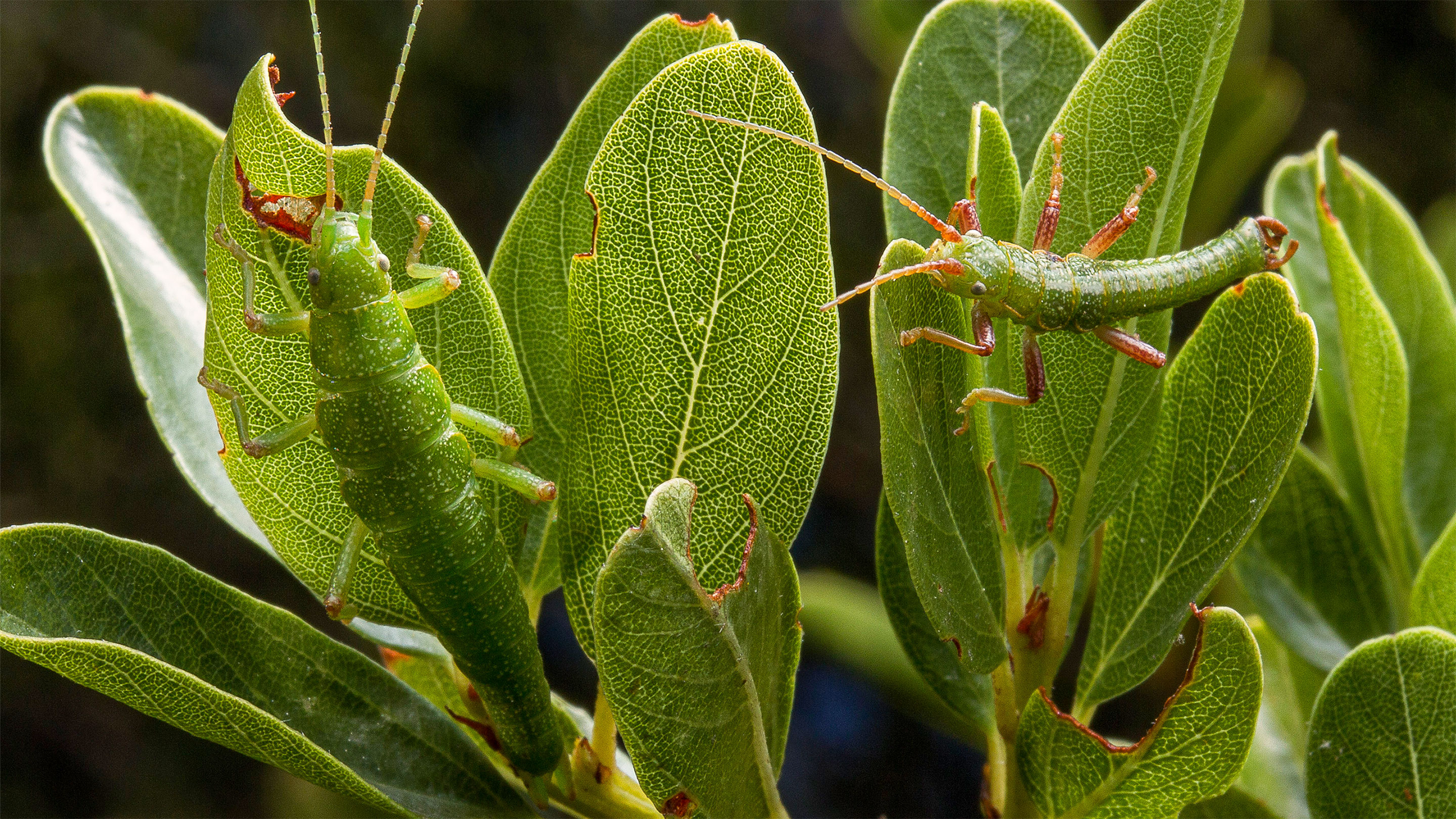
The green ecotype of Cristina’s timema, a species of stick insect, blends in with broad leaves. Other ecotypes of the same species are colored to blend in with narrower leaves. With genomics, scientists are answering century-old questions about how a single species can manifest such distinct traits.
Aaron Comeault
Introduction
When she was a graduate student in the 1970s, the evolutionary biologist Kerstin Johannesson regularly walked the shores of a Swedish archipelago, scanning the ground for pebbles that moved: marine snails. Her adviser, a taxonomist, had tasked her with describing the species present there by documenting their traits. She noticed that snails with thicker shells stayed on the shore, while those with thinner shells seemed to prefer wave-battered rocks, and in between the two habitats were snails with intermediate shell thickness. While they seemed like distinct species, Johannesson couldn’t help but wonder whether these snails might instead be different types of the same one.
Around 50 years earlier, the botanist Göte Turesson had had a similar revelation in a similar setting. As he walked Sweden’s shores, he noticed that saltbush plants from different stretches of coastline had distinct traits — earlier or later flowering times, or shorter or longer stalks — and between habitats, those traits fell somewhere in the middle. He bred the plants in his home garden and found that these distinct traits had a genetic basis even though they arose from the same species. In 1922, he published his results and coined the term “ecotype” to describe a subpopulation of a species adapted to a hyperlocal habitat.
At that time, the definition of a species was even less clear than it is today. Genes were still theoretical, and the structure of DNA wouldn’t be discovered for another 30 years. Turesson “struggled to be accepted,” said Johannesson, now the director of Tjärnö Marine Laboratory at the University of Gothenberg. How can a species contain multiple distinct phenotypes — or sets of traits — without separating into two species? “He had quite a job to try to convince his colleagues that there were inherited differences and local adaptation within species,” she said.
It wasn’t until the early 2000s, when whole-genome sequencing became accessible to evolutionary biologists, that Turesson’s ideas about ecotypes could be tested. By comparing the DNA sequences of ecotypes across the tree of life — from marine snails to stickleback fish to stick insects and more — scientists can study adaptation and speciation, the process by which new species form, at a molecular level.
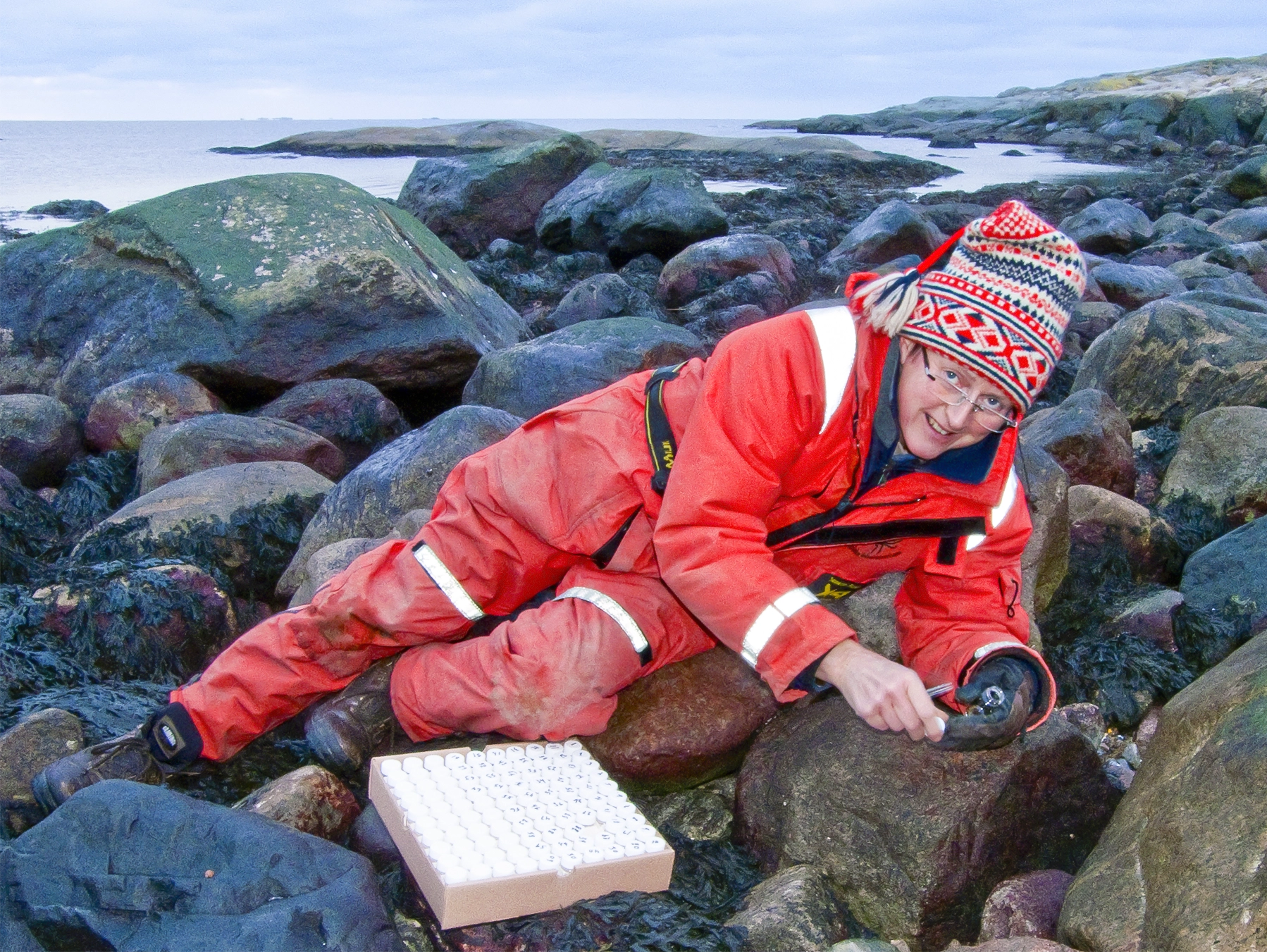
Since the 1970s, the evolutionary biologist Kerstin Johannesson has tried to understand how various forms of marine snail could possibly represent the same species.
Bo Johannesson
“It’s by far the most exciting time to be a biologist, ever, in my opinion — maybe with the exception of going right back to Darwin,” said Sean Stankowski, an evolutionary geneticist at University College London. “Even when we understood that organisms were programmed by genetic code, we could really never access that. Now, we’re looking at every single [nucleotide molecule] — A, T, G, and C [adenine, thymine, guanine, and cytosine] — in the genome.”
An analysis of genomic ecotypes by Johannesson, Stankowski, and other researchers explains how some species can maintain the DNA sequences for multiple adaptations, allowing evolutionary processes to effectively select among ecotypes as environmental conditions change — sometimes within only a few generations. The data also suggests that some canonically diverse groups of species, including Darwin’s finches, may not be separate species at all, but rather different ecotypes of the same species.
Ecotypes represent a kind of “genetic memory,” Stankowski said, that reflects a species’ history of survival in different habitats. “Genomics has just taught us everything that’s going on under the hood,” he said. Once scientists looked there, they found an engine for adaptation.
Genetic Memory
In March 1964, the largest earthquake ever documented in North America uprooted the Gulf of Alaska. Within four minutes, some of the gulf’s islands were lifted 38 feet in the air, rivers were closed off from the ocean, and freshwater lakes were created. A decade later, scientists were surprised to find three-spined sticklebacks thriving there.
The fish species typically lives in the salty ocean. Biologists might have expected it to die out in a freshwater lake. Instead, something more interesting happened. The marine sticklebacks, which are armed against ocean predators with bony plates, started to look and behave like their freshwater cousins, which have fewer plates. This change unfolded within decades, too fast for a new species to have formed.
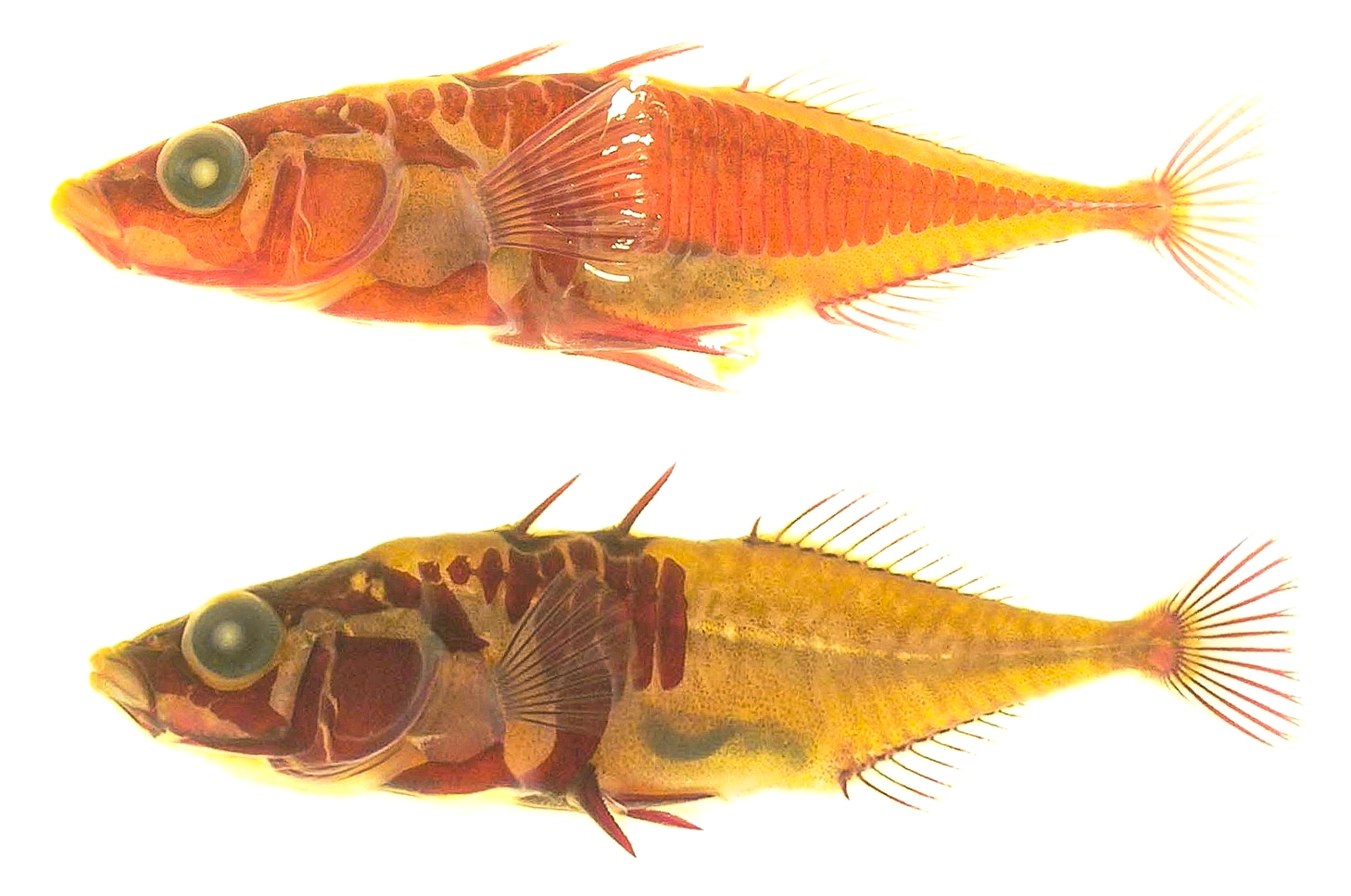
Marine sticklebacks (top) are armored with bony plates (stained red), which provide protection from ocean predators. Freshwater sticklebacks (bottom) have fewer plates and swim faster than the marine ecotype.
Jun Kitano
What could have driven these rapid phenotypic changes? A 50-year study of genomic data, published in 2015, revealed that, tucked into genomes across the population, marine sticklebacks contained the genes necessary to survive in freshwater environments. These alternate genes occur sparingly across roughly 100 regions of the genome, said Catherine Peichel, an evolutionary geneticist at the University of Bern who studies the fish species.
The presence of this kind of genetic diversity — having multiple forms of the same gene that harbor different traits — is known as standing variation. Even in low numbers, those alternate genes have a chance to be expressed, as if natural selection could reach into the past and redeploy those genes when needed. Research from a different lab has shown that transplanted marine sticklebacks can switch to the freshwater ecotype in as few as 20 to 30 years. The emergence of and selection for a novel trait, on the other hand, would likely take far longer than that — if the fish even survived the initial shock of navigating a totally different habitat.
“It’s almost like populations have a genetic memory of their time spent in different environments,” Stankowski said.
Back in Sweden, Johannesson’s marine snails seemed to harbor this genetic memory, too. In 1988, a few years after she completed her doctorate, a rare algal bloom blanketed Scandinavian coastlines with a lime-green slime that killed almost all marine life. “All my snails, they were gone,” she recalled. But she turned the tragedy into an opportunity. Many isolated rock islands were left vacant, so she ran a natural experiment to see if she could trigger her snails to switch ecotypes.
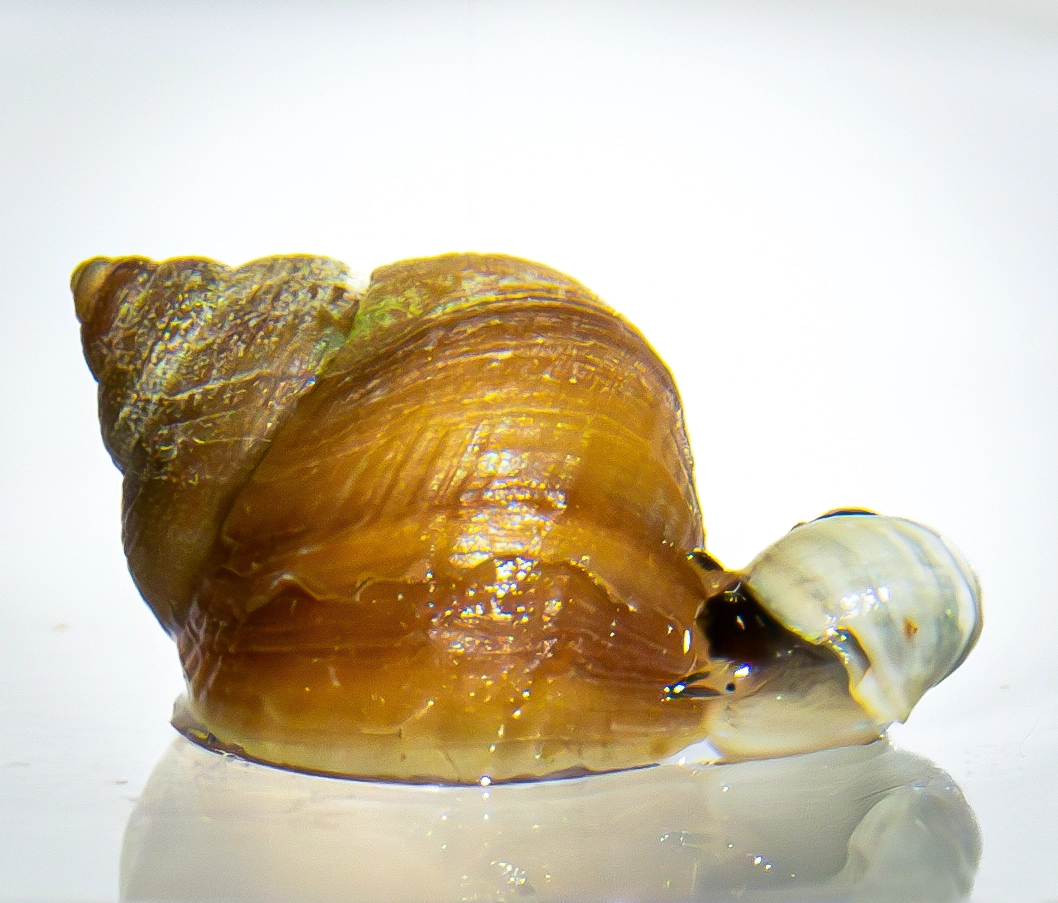
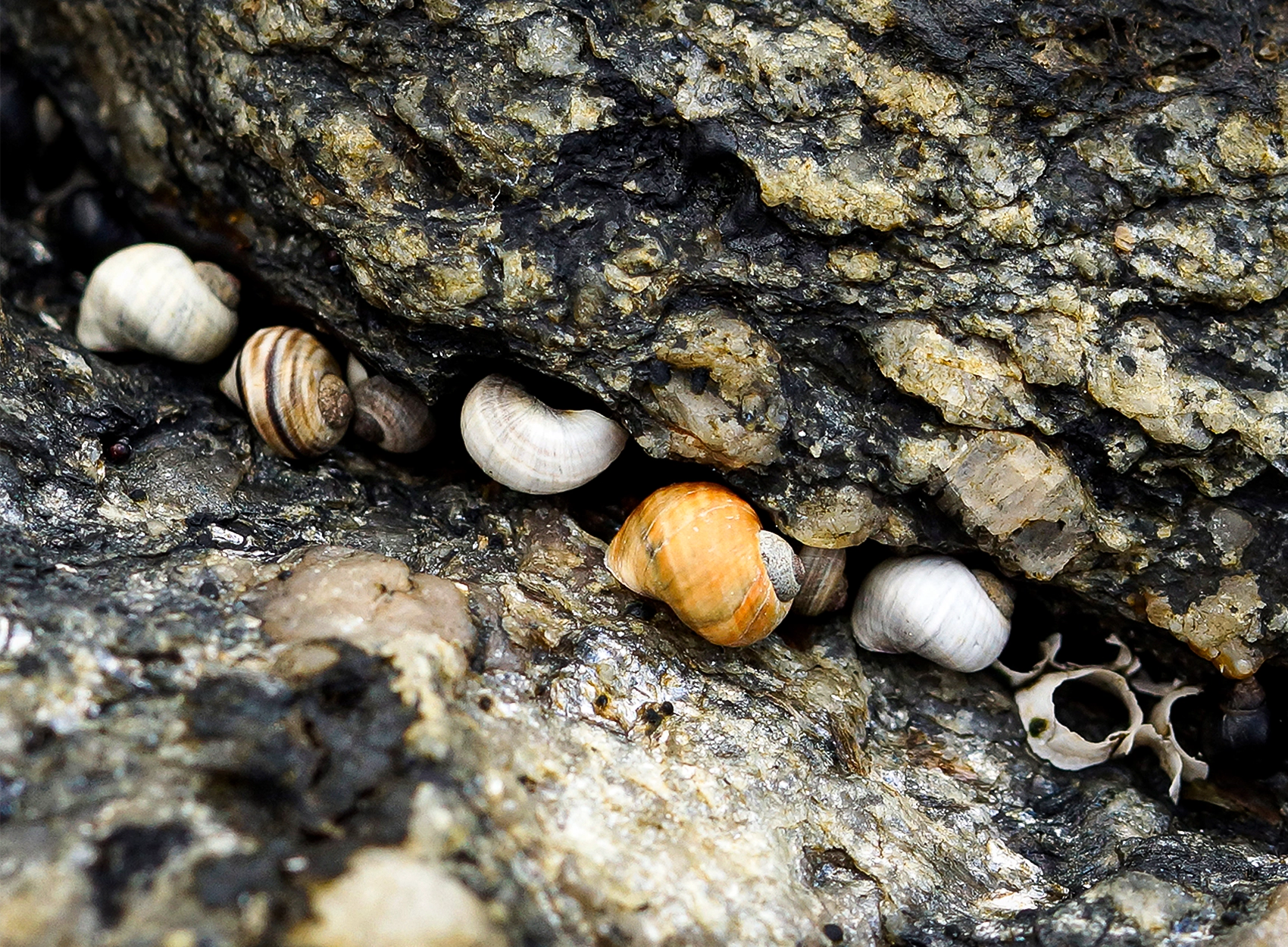
The marine snail Littorina saxatilis has been accidentally described as a new species or subspecies more than 100 times. In fact, the species includes two ecotypes (side-by-side, top) — one larger with thick shells, the other smaller and thinner — adapted to different habitats.
The marine snail Littorina saxatilis has been accidentally described as a new species or subspecies more than 100 times. In fact, the species includes two ecotypes (side-by-side, at left) — one larger with thick shells, the other smaller and thinner — adapted to different habitats.
David Carmelet; Roland Carlsson
Large, thick-shelled snails had armor to protect them from predatory crabs onshore; smaller snails could more easily cling to wave-battered rocks. With the help of her then-3-year-old daughter, Johannesson collected hundreds of large snails and placed them on empty rocks exposed to the sea. As the years turned into decades, and as generations of snails came and went, the entire population became smaller, with thinner shells. In less than 30 years, the wave-battered ecotype had been selected for across the population.
A few years later, she would uncover the genomic features that made the snails’ rapid adaptation possible.
Shuffling Chromosomes
A given ecotype might require the expression of hundreds of genes. So how can selection act on all of them at once? Genomic studies have found explanations in chromosomal architecture.
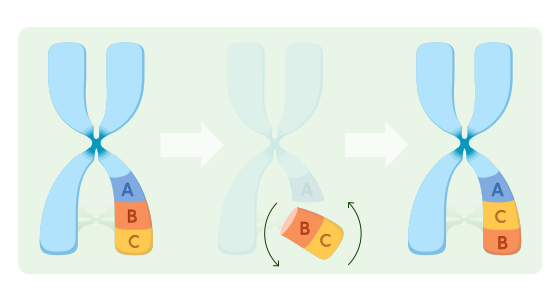
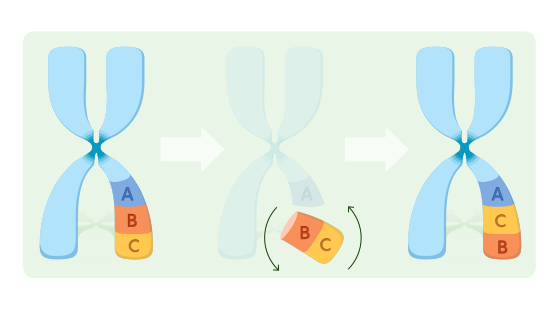
During egg and sperm formation, genes can be shuffled between chromosomes (highly compact packages of DNA) in a process known as recombination. Some portions of DNA can be deleted or inserted. Chromosomes can break into two, or fuse into one. And entire segments of DNA can be flipped, in what is called an inversion.
Mark Belan/Quanta Magazine
An inversion happens when a portion of DNA from the chromosome breaks off, rotates 180 degrees, and plugs back into the chromosome in the reverse orientation. After inversion, a block of genes sits in one orientation on one chromosome, and in the opposite orientation on the other. This effectively prevents recombination from happening again in that region, and locks that group of genes together in a block. If those genes are somehow related, this can create a supergene, or multiple genes that act as a single unit. The snail traits for thick shells and evasive behavior to hide from crabs, for instance, become linked so that they will be inherited together in subsequent generations.
“It’s like if you had a deck of cards,” said Patrik Nosil, an evolutionary geneticist at the French National Center for Scientific Research who studies speciation and ecotypes of stick insects. “With normal genetics, you shuffle that deck completely — all 52 cards. Whereas with these chromosomal inversions, you have a part of the deck that refuses to shuffle, so you can never change the order of the cards in there. That’s the part that controls the traits that make the ecotypes different.”
This is what Peichel suspects happened in the sticklebacks. Even though they still mate across ecotypes (marine sticklebacks return to freshwater inlets to breed), past inversions ensure that the freshwater genes stay together and that the marine genes do too, she said. This differentiates the two ecotypes while maintaining species-wide gene flow.
Peichel’s lab is getting closer to confirming this hypothesis. Using the gene-editing technology CRISPR, her lab can flip an inversion back to its original orientation. As these sticklebacks reproduce, the genes in this region will be able to shuffle again, perhaps disrupting the suite of traits that form the ecotypes. “This would be some of the first proof of this idea that inversions actually bring together, and hold together, adaptive [genes] that distinguish ecotypes,” Peichel said.
Inversions aren’t always beneficial. They come with risks, including reproductive failure. For example, thousands of inversions have been identified in the human genome, and some can cause pregnancies to fail. But when they successfully hold groups of traits together, the rewards can be high. Indeed, Johannesson and Stankowski’s review surfaced inversions associated with ecotypes across the tree of life, including in plants, birds, fish, mammals, marine invertebrates, and insects.
“No one predicted that [inversions] would be as abundant as they are” in ecotypes, Stankowski said. “In evolutionary genetics, it’s probably one of the biggest realizations of the last two decades.”
And some ecotypes contain many chromosomal inversions. By the mid-2010s, Johannesson and her colleagues had identified nearly 20 different ecotype-related inversions in the marine snail genome. Interestingly, these same groups of traits are found across populations — in Spain and the United Kingdom as well as Sweden — even though these populations are isolated and don’t interbreed. Further analysis showed that some of these inversions are millions of years old, likely having occurred in a common ancestor.
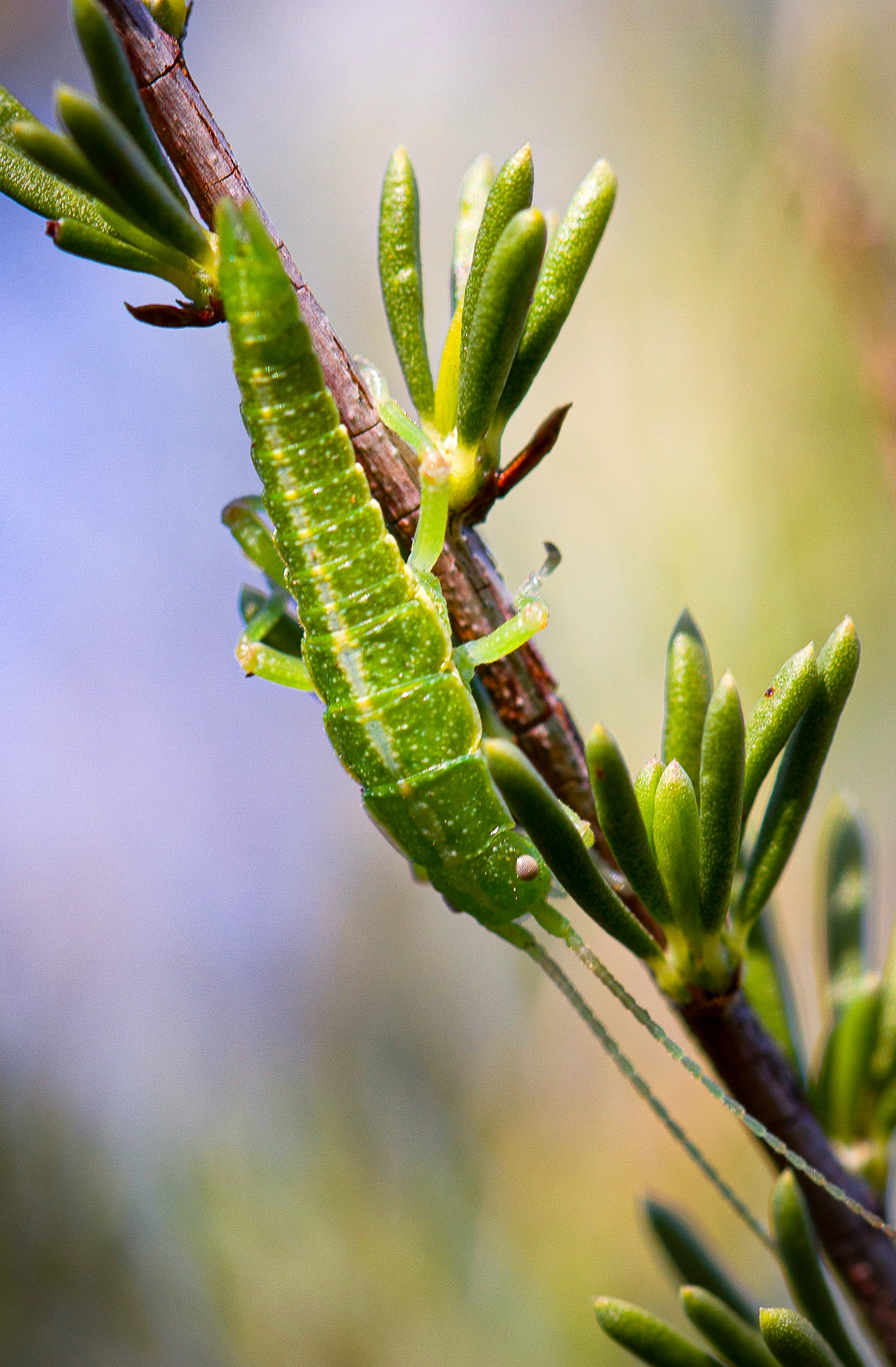
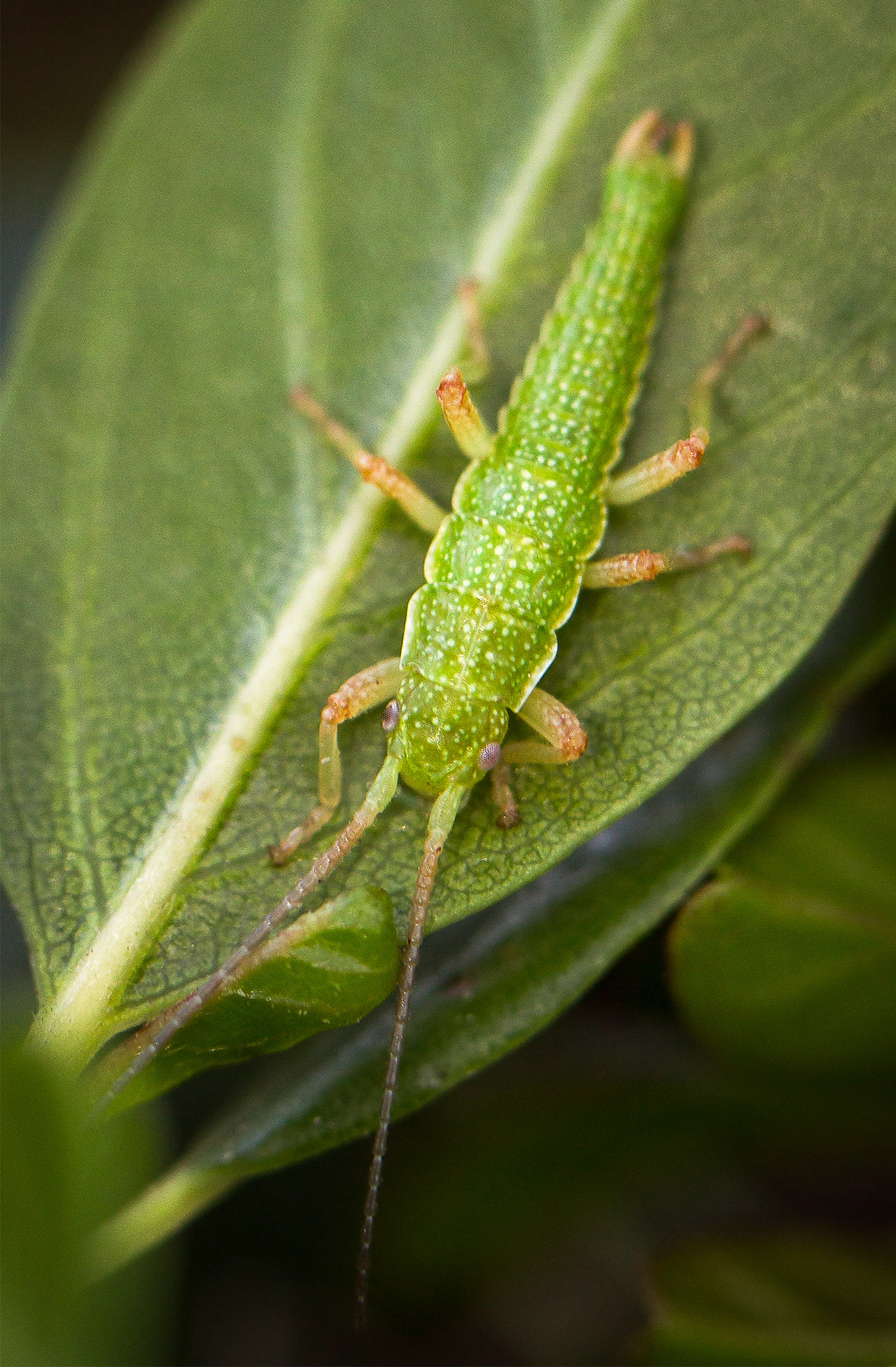
Cristina’s timema has several ecotypes, fit for different leaf types. The stick insects sporting a stripe (top) blend in with narrow leaves, while green ones (bottom) match broad leaves.
Cristina’s timema has several ecotypes, fit for different leaf types. The stick insects sporting a stripe (left) blend in with narrow leaves, while green ones (right) match broad leaves.
Aaron Comeault
“These inversions, which are big chunks of the DNA, were not really obvious until we had a reference genome and a genetic map,” Johannesson said. “When this [result] came, it was like we got to the end of the story.”
To be clear, not all chromosomal inversions form ecotypes, and ecotypes aren’t necessarily formed by inversions. Indeed, another chromosomal recombination process that preserves blocks of genes can be found in California’s dry, shrubby chaparral mountains, where the walking stick insect Cristina’s timema (Timema cristinae) is made for camouflage.
One of its ecotypes has a stripe down its back and feeds on plants with narrow leaves; the other is bright green and stripeless, and feeds on broad leaves. Each ecotype blends in with its preferred food, which helps it avoid predators, Nosil said. In these stick insects, as in the sticklebacks, a chromosomal inversion keeps each ecotype’s group of traits together on the genome. But Nosil’s research has found that the chromosomal changes don’t stop there.
Translocation is another structural change to chromosomal DNA that can happen, by chance, during recombination. Genes from one end of a chromosome are relocated to the other end — an event that can get “really messy,” Nosil said. Some parts of the genome can disappear entirely, while other genes can be inserted into a new place.
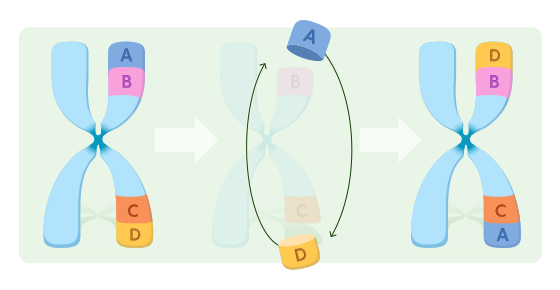
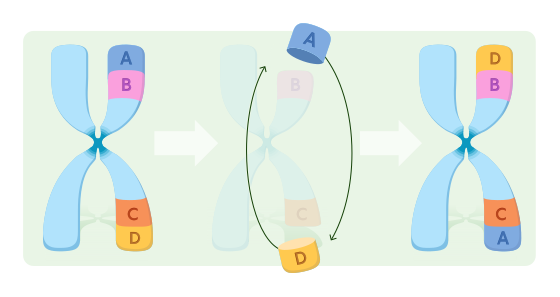
There’s another explanation for why structural rearrangements may form ecotypes. Chromosome breaks are rarely tidy, and sometimes they can lead to beneficial new traits. “Then that trait is favored by natural selection,” Nosil said. This idea that structural changes can create new functional mutations and not just prevent recombination is almost always overlooked, he said. But his research into stick insects suggests that it can support the evolution of new ecotypes.
“Over the next years, that’ll become a big point of research,” he said, “to try to understand the relative importance of those two aspects of genomic rearranging.”
On the Origin of Ecotypes
Over the years, evolutionary biologists have debated whether ecotypes are a first step in the evolution of new species. Are thick- and thin-shelled snails, marine and freshwater sticklebacks, or striped and solid stick insects examples of species on their way to splitting into two?
“There’s been growing appreciation now that ecotypes might be a step in the direction of forming new species, but they might never actually get there,” Nosil said.
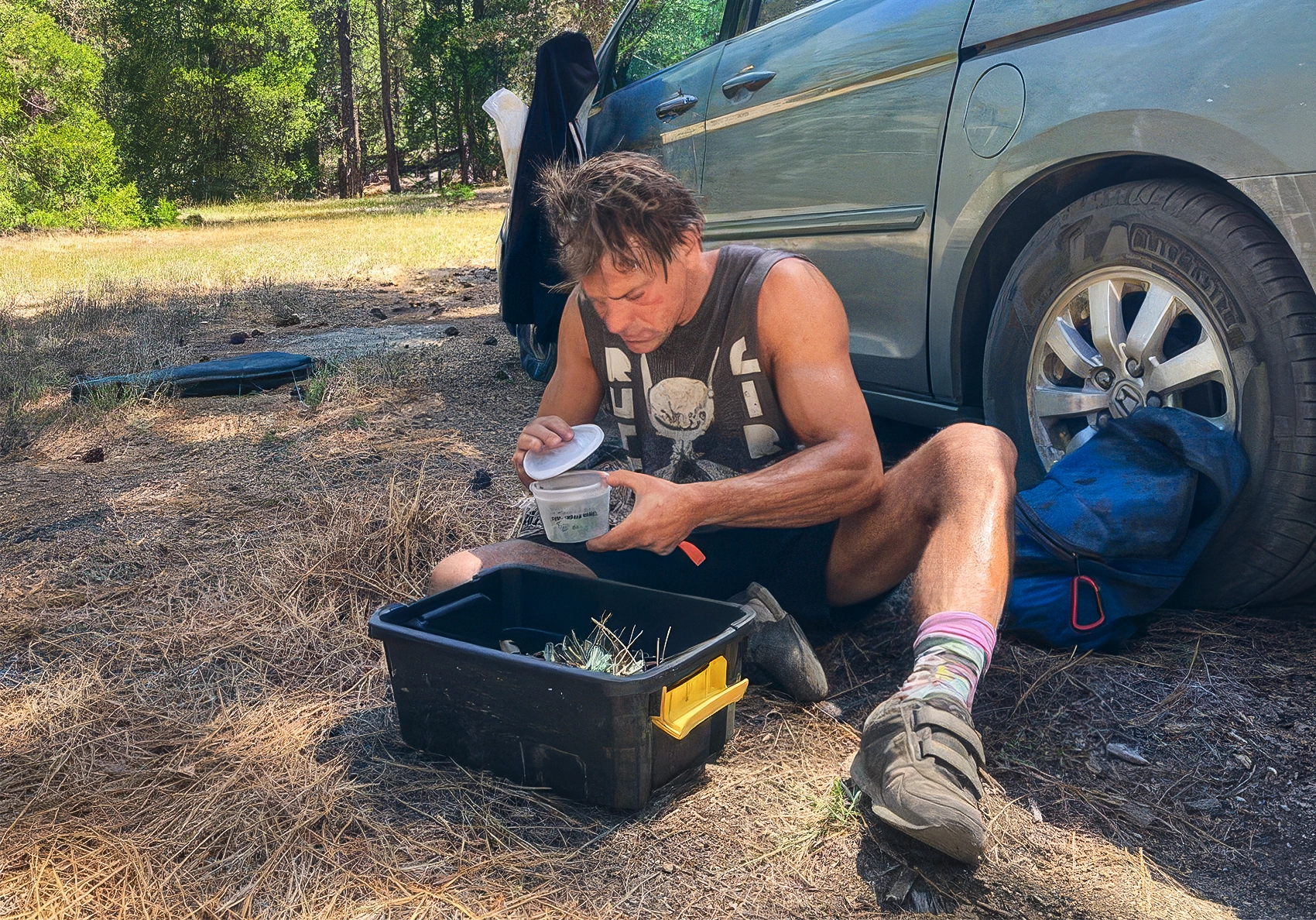
The evolutionary geneticist Patrik Nosil collects stick insects. His research shows how chromosomes can rearrange to switch between ecotypes.
Courtesy of Patrick Nosil
Speciation isn’t as clean-cut as the branches of a phylogenetic tree would have us believe. Evolutionary biologists increasingly view it as smoothly scrolling across a continuum, rather than a process with discrete steps. There is a gray area between species, and that’s where ecotypes sit.
The distinct marine and freshwater traits in sticklebacks, for example, suggest that they should diverge into two different species. Yet even after millions of years, they haven’t. Instead, when environmental conditions change from salt water to fresh water, evolution seems to select for one ecotype or the other without discarding the alternate set of genes.
Then again, the species concept has been controversial since the days of Darwin. What distinguishes one species from another, or a species from a subspecies, or an ecotype from simple variation, isn’t concrete. Genomics has both clarified and complicated the question.
“The problem with defining ecotypes and the issue of defining species — they’re actually quite analogous,” Stankowski said. “It really does boil down to cultural differences” in scientific perspectives, he added, such as how biologists are trained, what questions they ask, and whether they’re inclined to lump species together or split them up.
For instance, many taxonomists consider Darwin’s finches in the Galápagos to be distinct species. However, they can change their beak shape to match the available seeds within generations, and they can all mate with one another. By Stankowski and Johannesson’s criteria, Darwin’s finches “would all be ecotypes of a single species,” he said. The same goes for cichlid fish in east Africa’s Lake Victoria, another famous example of rapid evolutionary radiation. But that doesn’t mean we need to rethink On the Origin of Species.
“Darwin would be blown away at the progress that we’ve made,” Stankowski said. “The ecotype concept really does match quite closely with his view on species.”