A Treasure Trove of Cambrian Fossils Rewrites the Story of Early Life
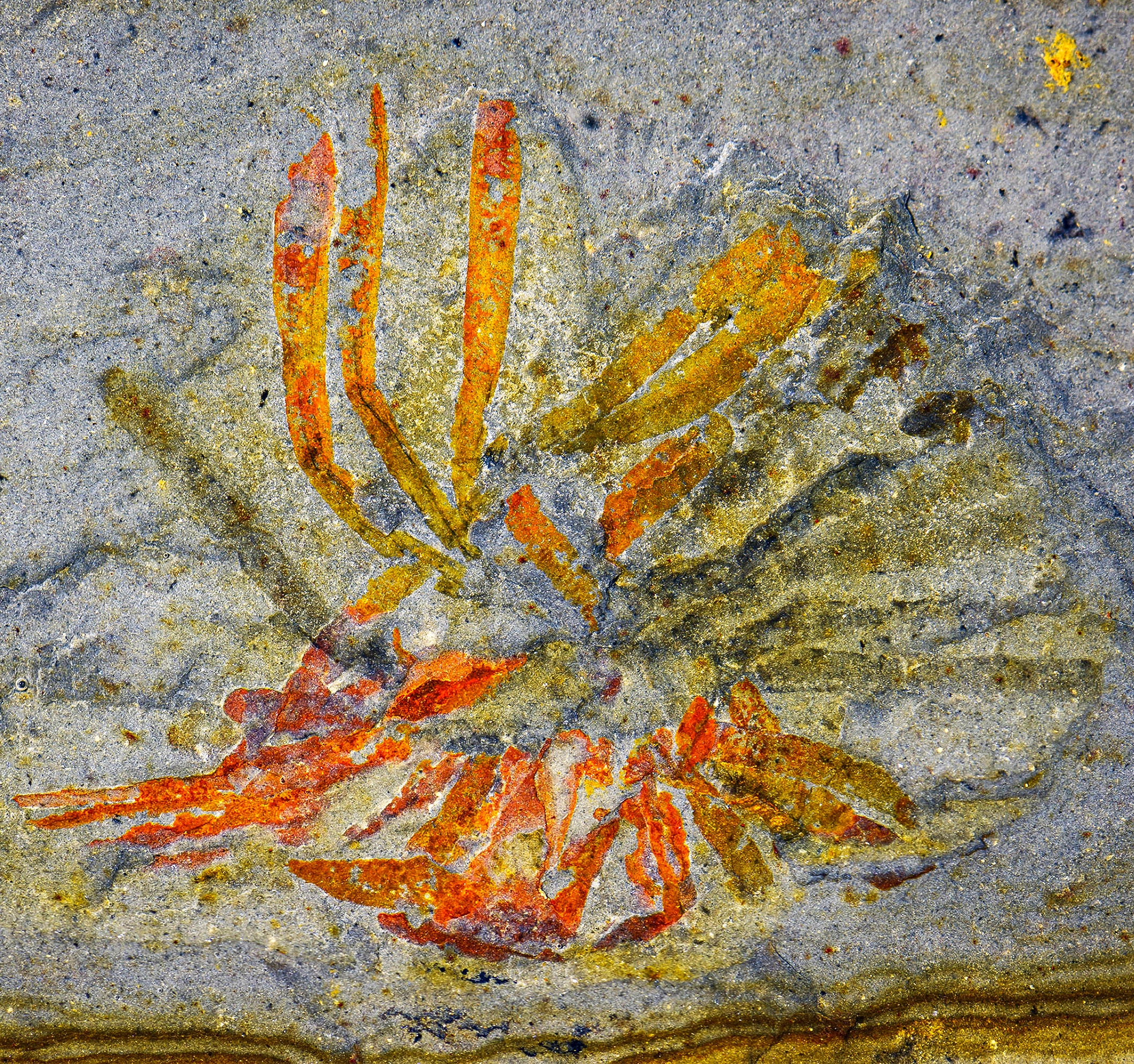
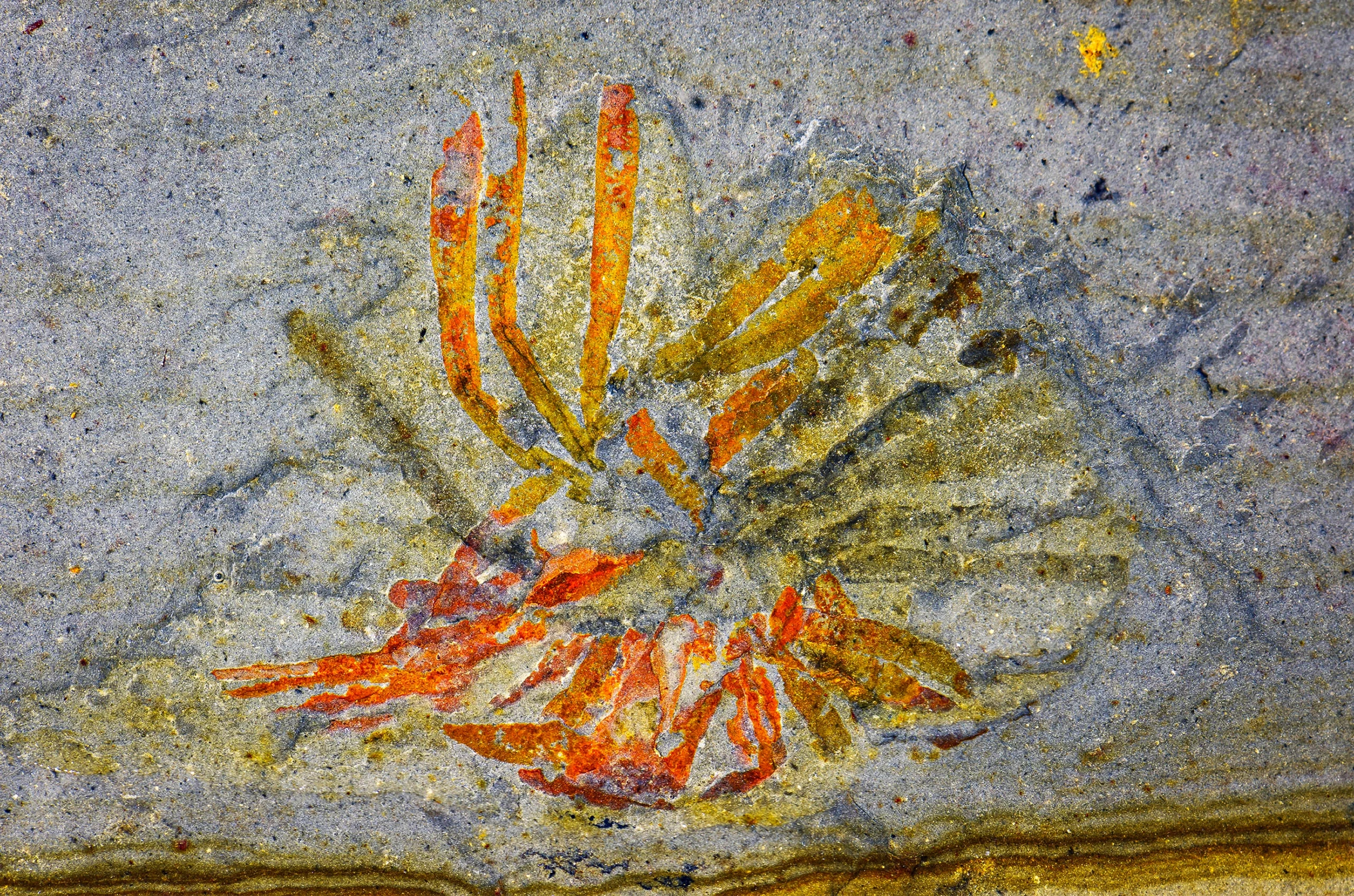
One of the oldest fossilized hemichordates, Sphenoecium are tubular marine invertebrates closely related to sea stars and sea urchins. The long protrusions look plant-like but are actually a colony of small worm-shaped animals housed in branching organic tubes.
Han Zeng/Nanjing Institute of Geology and Palaeontology, Chinese Academy of Sciences
Roughly 540 million years ago, toward the start of the Cambrian Period, the planet was mostly ocean, and life was both alien and vaguely familiar. Small, phallic-looking worms rummaged through ocean-floor sediments while blind swimming beasts flung out whiplike tentacles to ensnare prey. Meanwhile, early versions of mollusks and sponges populated the seafloor as jellyfish floated above.
Shallow ocean waters and an increase in oxygen levels in Earth’s atmosphere triggered what we call the Cambrian explosion: the first major blossoming of modern biodiversity. Life forms of increasing complexity filled the seas, providing the evolutionary foundations for nearly every phylum alive today.
Then, around 513.5 million years ago, came the Sinsk event, the first known mass extinction of the Phanerozoic, our current geologic eon. As Earth’s tectonic plates shifted, huge volumes of volcanic gas and carbon dioxide transformed the atmosphere, sucking oxygen out of the oceans and devastating shallow-water environments.
Much of what scientists know about this period in Earth’s history comes from Charles Doolittle Walcott’s discovery of the Burgess Shale in British Columbia in 1909. The Burgess Shale is one of a small handful of Cambrian deposits that reach the level of Lagerstätten, a German term used to describe incredibly diverse and exceptionally preserved fossil sites. Sites that preserve soft-bodied organisms are even rarer because soft tissues decompose more easily, making these places especially useful for piecing together prehistoric ecosystems. Fossils from these most special locations not only show body outlines and external textures but also preserve details from appendages and internal organs, from eyes and gills to guts and nerve networks. Other notable Lagerstätten include the Chengjiang Fossil Site (China), Sirius Passet (Greenland), and Emu Bay Shale (Australia).
In 2026, a new Cambrian Lagerstätte entered the scene. Paleontologists in southern China uncovered a trove of some of the best-preserved Cambrian fossils to date — a massive collection of 8,681 fossils spanning 153 species — named the Huayuan biota. Many of the Huayuan fossils look similar, if not identical, to those in the Burgess Shale, indicating that these marine ecosystems were connected by global ocean currents. Crucially, because the Huayuan site postdates the Sinsk event and represents deeper parts of the ocean, the collection indicates that deep-water environments were a refuge for organisms during mass extinction.
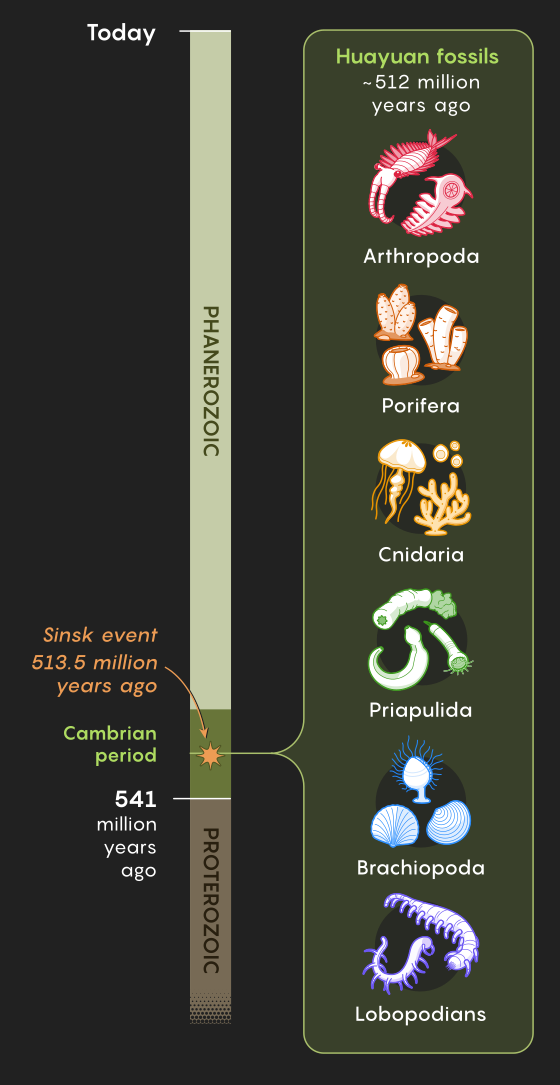
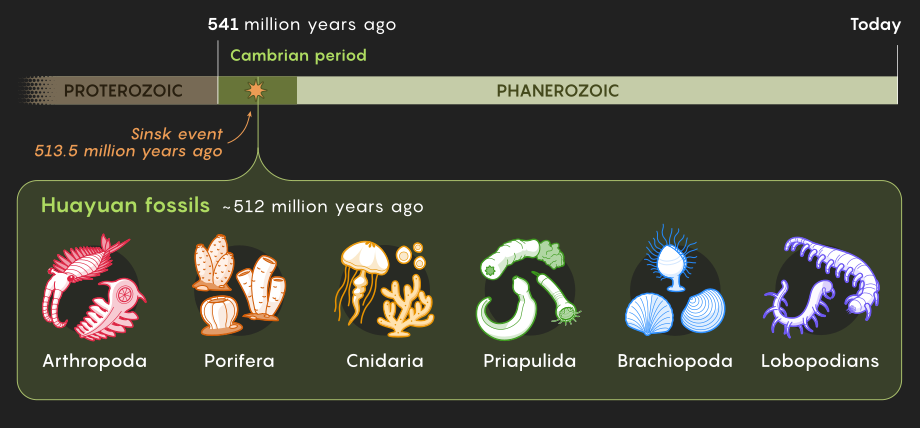
Most of the modern world’s major groups, or clades, of organisms began to emerge after the Sinsk event — the first mass extinction of the Phanerozoic Eon. Some of the biggest clades that emerged and that were found in the Huayuan biota include arthropods (ancestors to insects and crustaceans), poriferans (sponges), cnidarians (jellyfish, corals, sea anemones), priapulids (marine worms), brachiopods (filter-feeders similar to bivalves), and lobopodians (limbed, worm-like creatures).
Mark Belan/Quanta Magazine
To paleontologists’ delight, more than half of the species uncovered at the Huayuan site are new to science. “As we discovered more and more animal species in the field and in our lab, we were surprised by the extraordinary diversity of this soft-bodied biota,” said study author Han Zeng, head of the Chengjiang Paleontological Station and a paleontologist at the Chinese Academy of Sciences.
Zeng says that what’s been uncovered in the new deposit is only a fraction of the tens of thousands of other fossils there. They reveal a clearer picture of what life looked like in the early Cambrian’s deep marine environment after the Sinsk extinction.
Because this collection is so biodiverse and represents a part of the world that paleobiologists have understood little about — the deep seas — it can help them refine hypotheses about how all modern animal phyla on Earth evolved. These new fossils are yielding clues about the origins of oceanic carbon cycling, how ocean currents connected food webs on opposite sides of the globe, and the forces that drove ecosystems to become as complex as they are today.
“These are just exquisite fossils,” said Doug Erwin, a paleontologist and evolutionary biologist at the Santa Fe Institute who was not involved in the discovery but collaborates with Zeng. “They’re really beautiful specimens.”
All images courtesy of Han Zeng/Nanjing Institute of Geology and Palaeontology, Chinese Academy of Sciences.
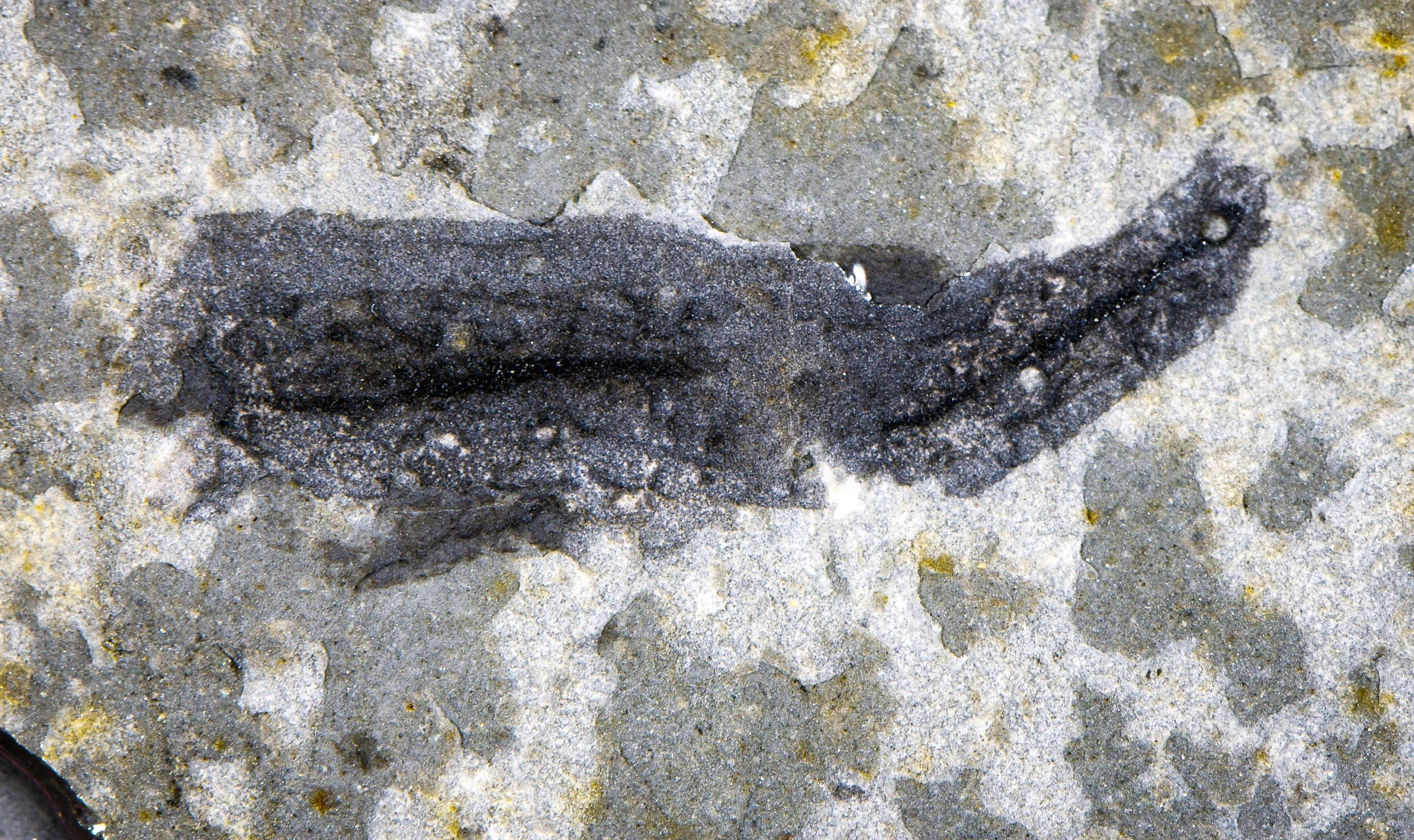
PELAGIC TUNICATES are gelatinous, free-floating marine invertebrates that are central to the ocean’s biological carbon pump: Phytoplankton remove dissolved carbon dioxide, and then tunicates eat the phytoplankton and release carbon-dense waste pellets that sink to the seafloor for long-term storage. These fossilized pelagic tunicates suggest that this carbon pump originated in the Cambrian, said Han Zeng.
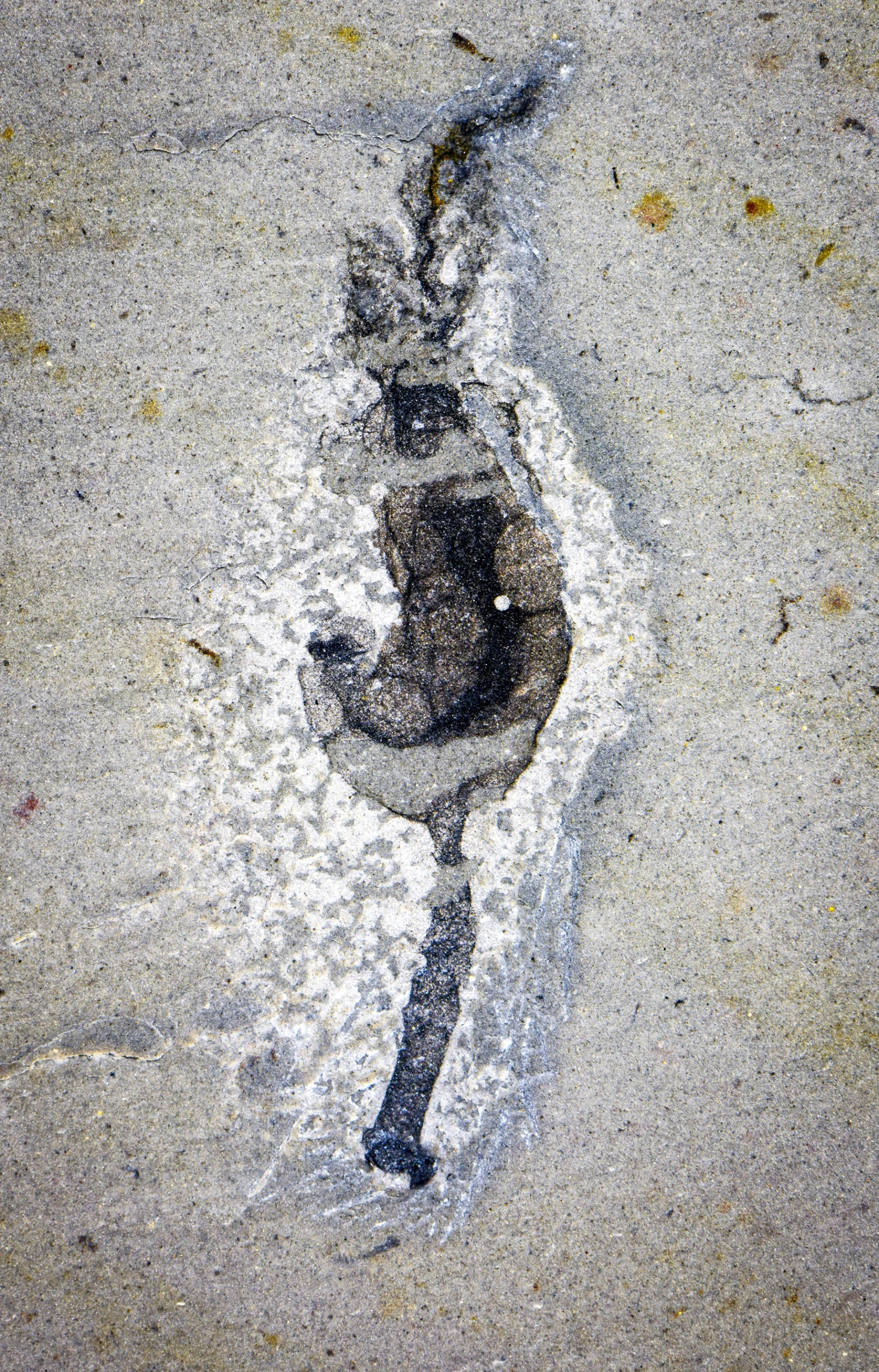
In 2010, paleontologist Jean-Bernard Caron and colleagues found a rare, tentacled, Cambrian-era animal from the Burgess Shale called HERPETOGASTER COLLINSI. This fossil from the new Huayuan biota is the same species. “It’s nice to see it on another continent,” said Caron, who is at the Royal Ontario Museum in Toronto.
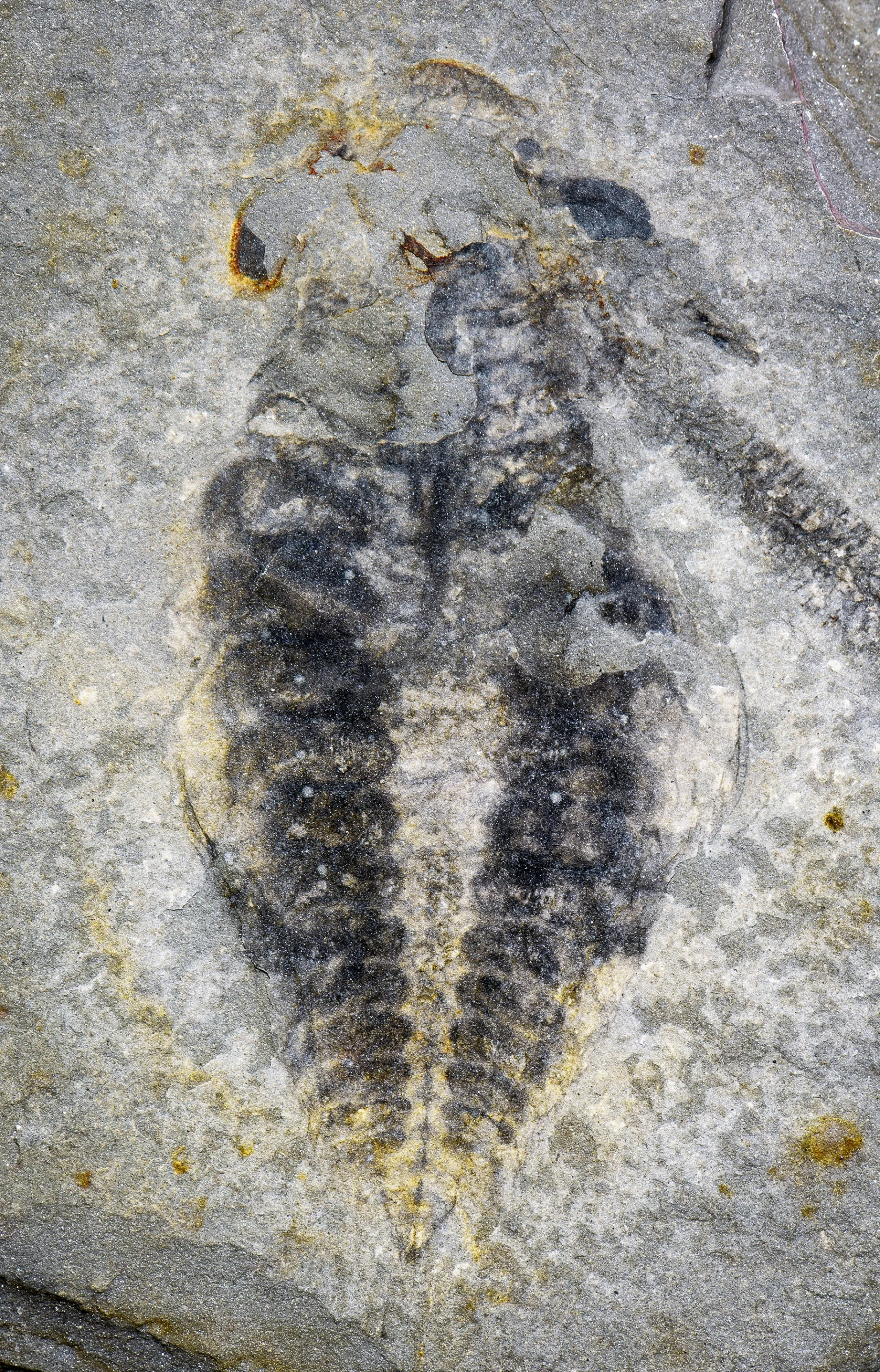
RADIODONTS, extinct arthropods, were like “the Tyrannosaurus rex of the Cambrian,” said Doug Erwin. Typically around 1 meter long, the radiodont dominated these ecosystems as their largest predator. However, this new fossil — complete with preserved eyes and gills on each side of its body — is smaller than 5 centimeters.
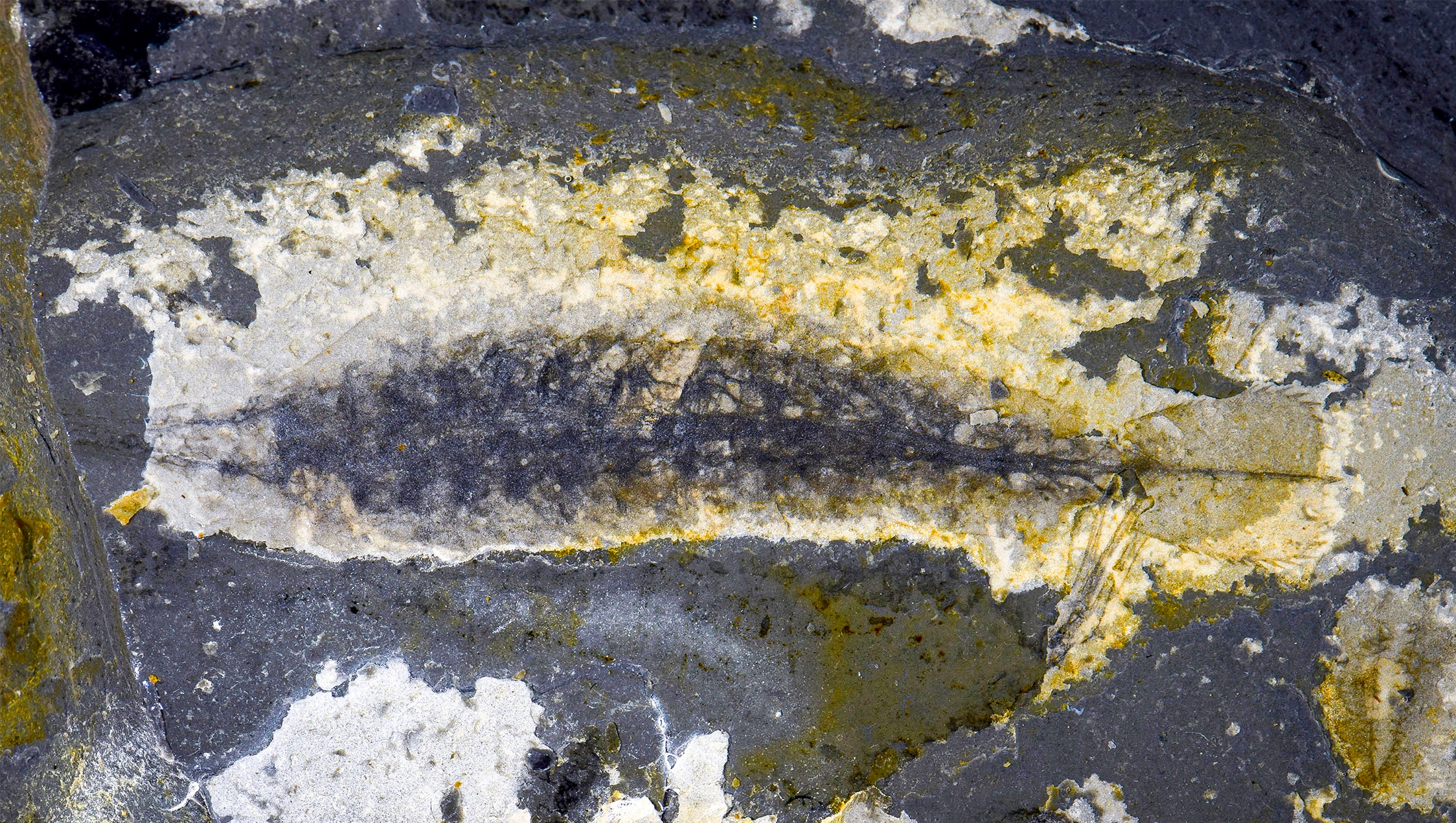
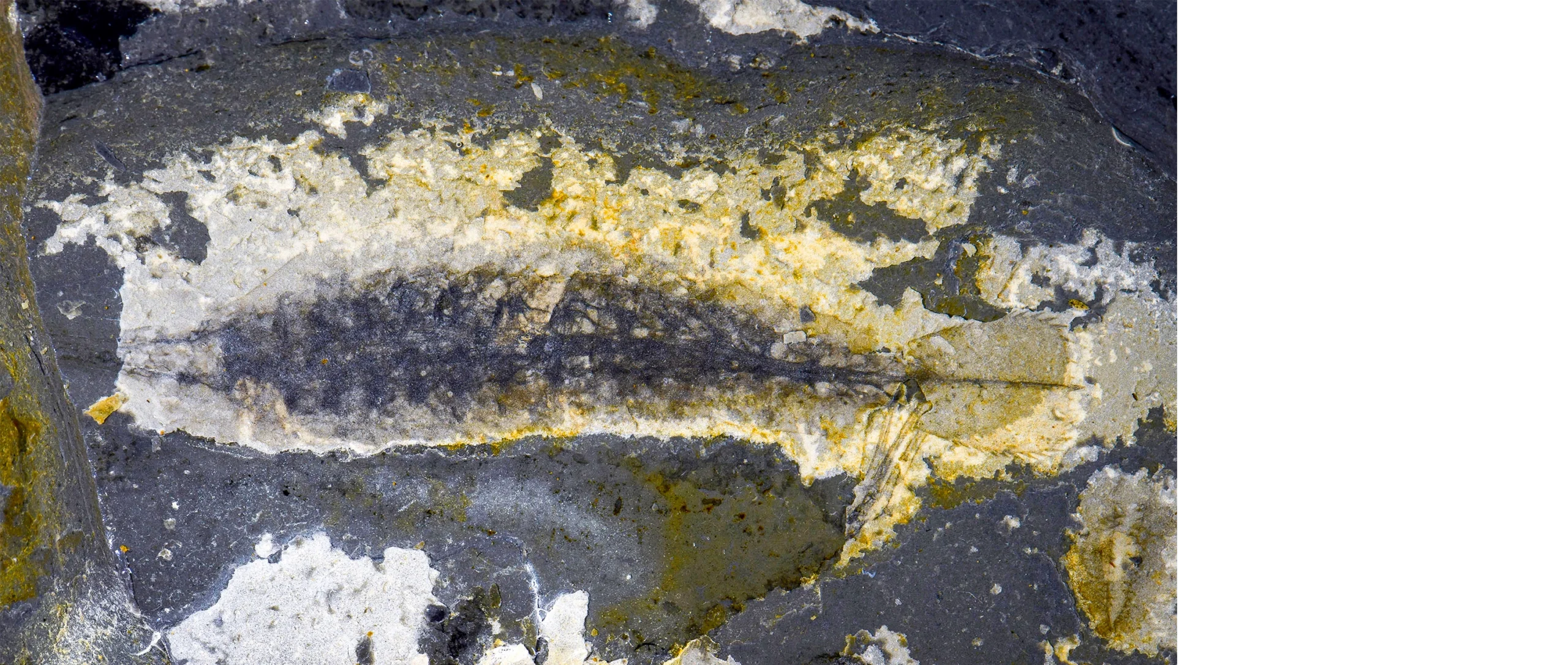
MEGACHEIRANS were predatory arthropods with a unique survival strategy. Lacking vision, they ambushed prey by flinging out whiplike frontal tails to entangle their targets. Such specialized predators are characteristic of the Cambrian. “It’s another indication of the ecological breadth that was already present in these very early ecosystems,” Erwin said. This fossil displays its ventral nerve cord.
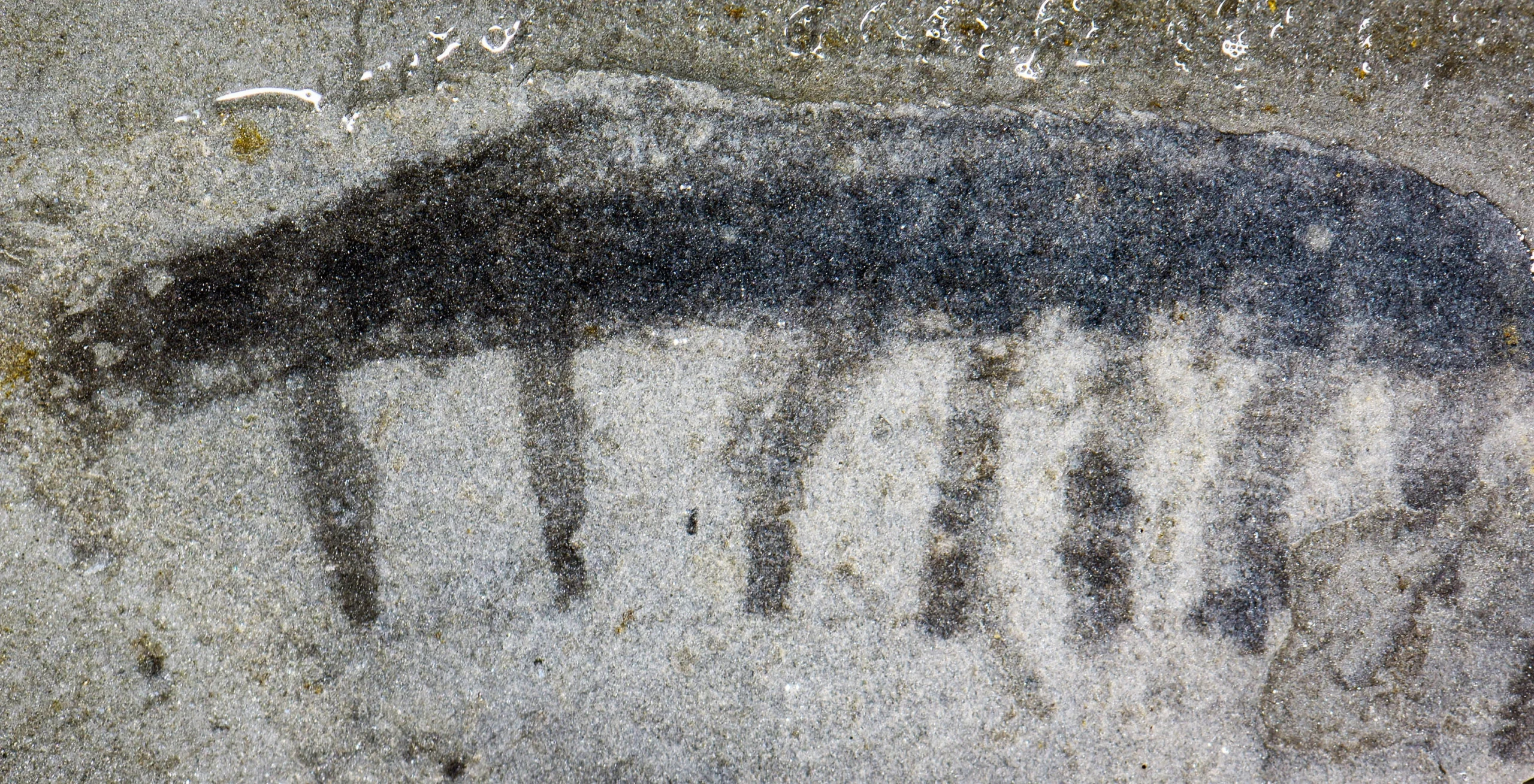
LOBOPODIANS used their long legs to walk along the seafloor. When paleontologists first discovered these fossils in the Burgess Shale, “they didn’t know quite what to do,” Erwin said. We now think lobopods were ancestors of modern arthropods, tardigrades, and velvet worms. “Having these kinds of fossils is incredibly useful” for understanding evolutionary trajectories, he added.
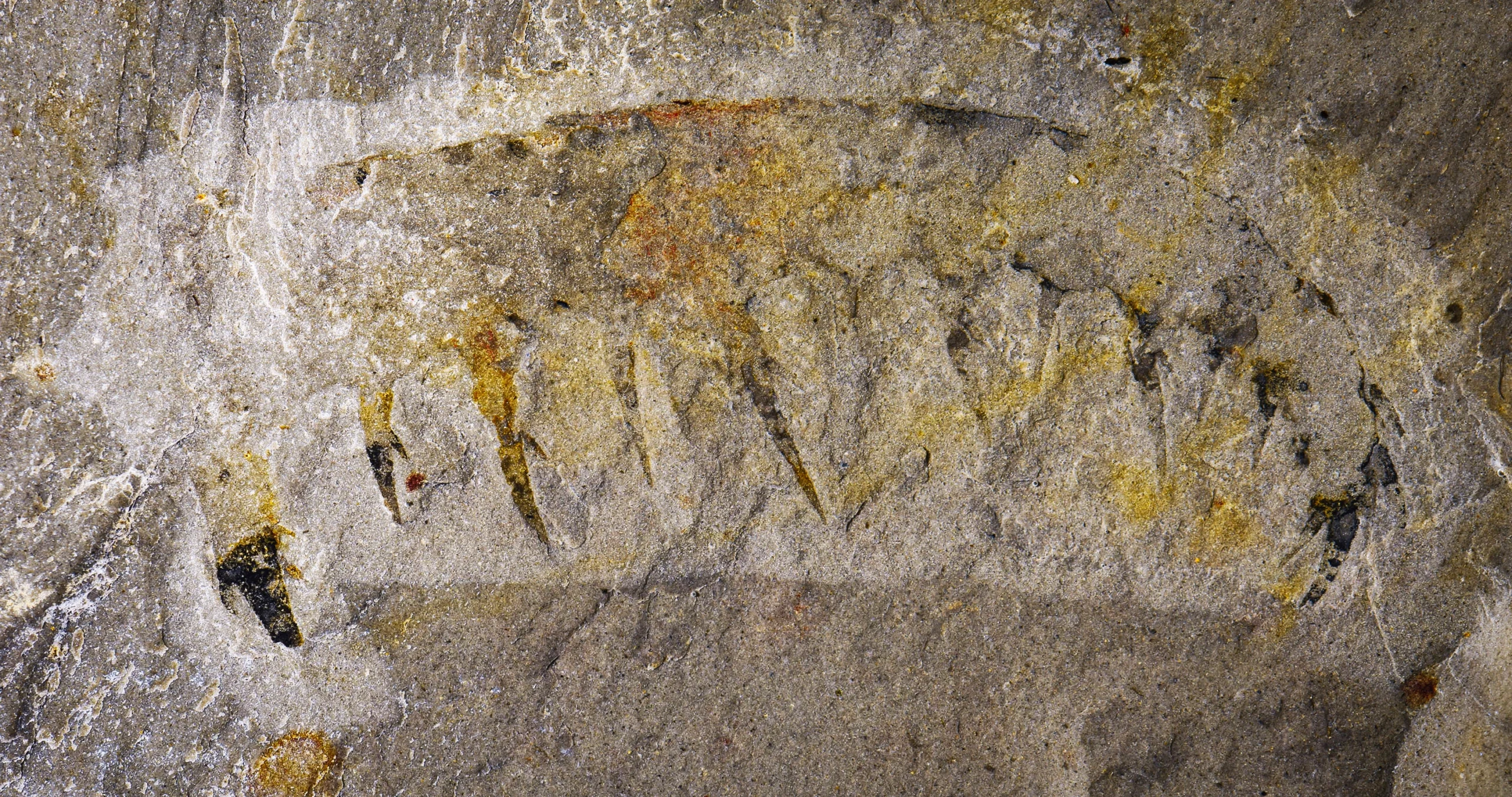
GUANSHANCARIS KUNMINGENSIS is the largest fossil identified in the Huayuan biota so far. It was also found in the nearby Guanshan biota, another deposit in southern China, in 2023. This arthropod, around three-quarters of a meter in length, would have been an apex predator in the Cambrian oceans.
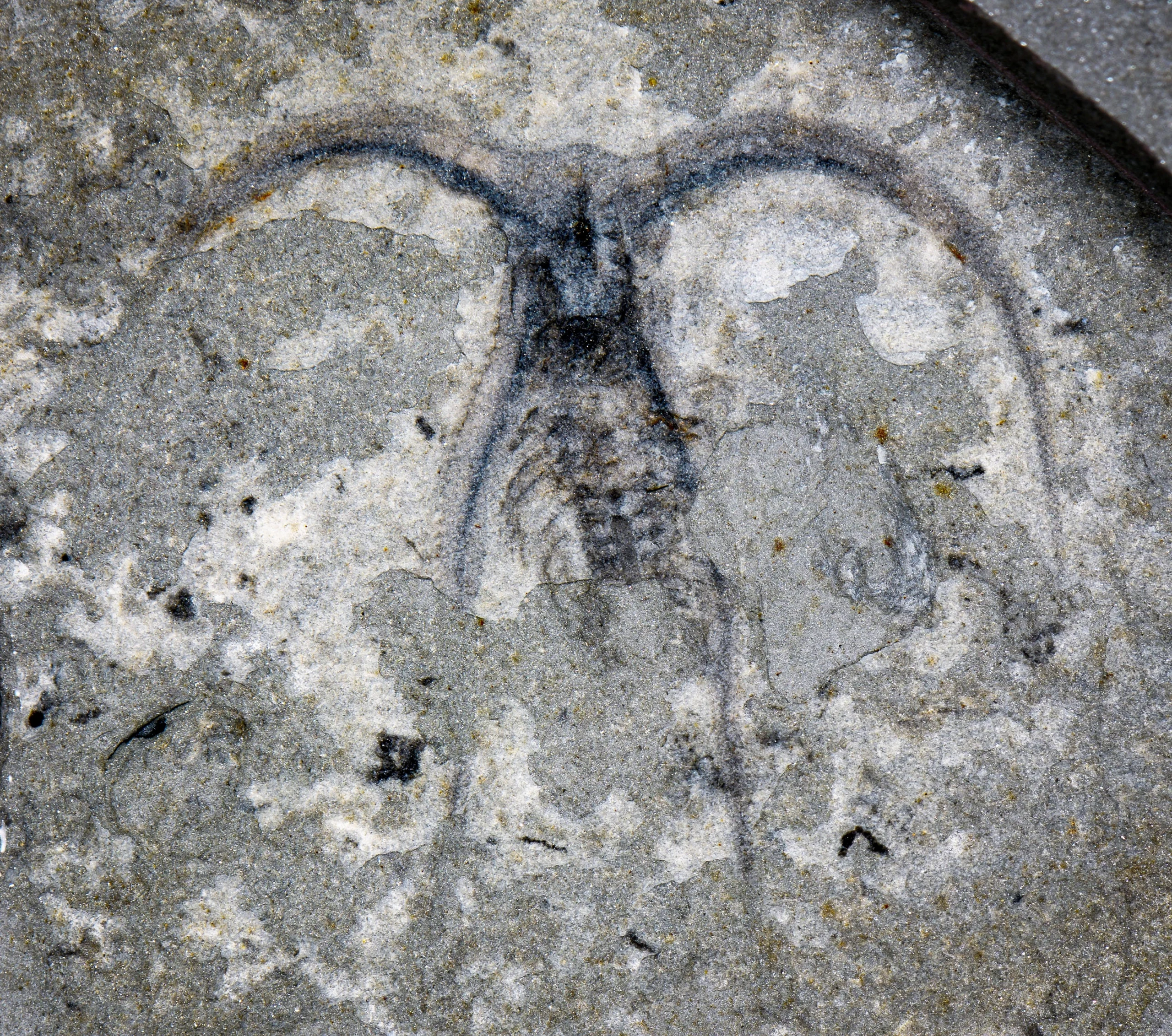
MARRELLA was one of the first three species Walcott found at the Burgess Shale in 1909. “Walcott was quite enamored of Marrella,” Erwin said. “He called it ‘the lace crab.’” This spiny-backed arthropod is the most abundant fossil in the Burgess Shale and was also uncovered in the Huayuan biota. Here, the fossil reveals its intestines.
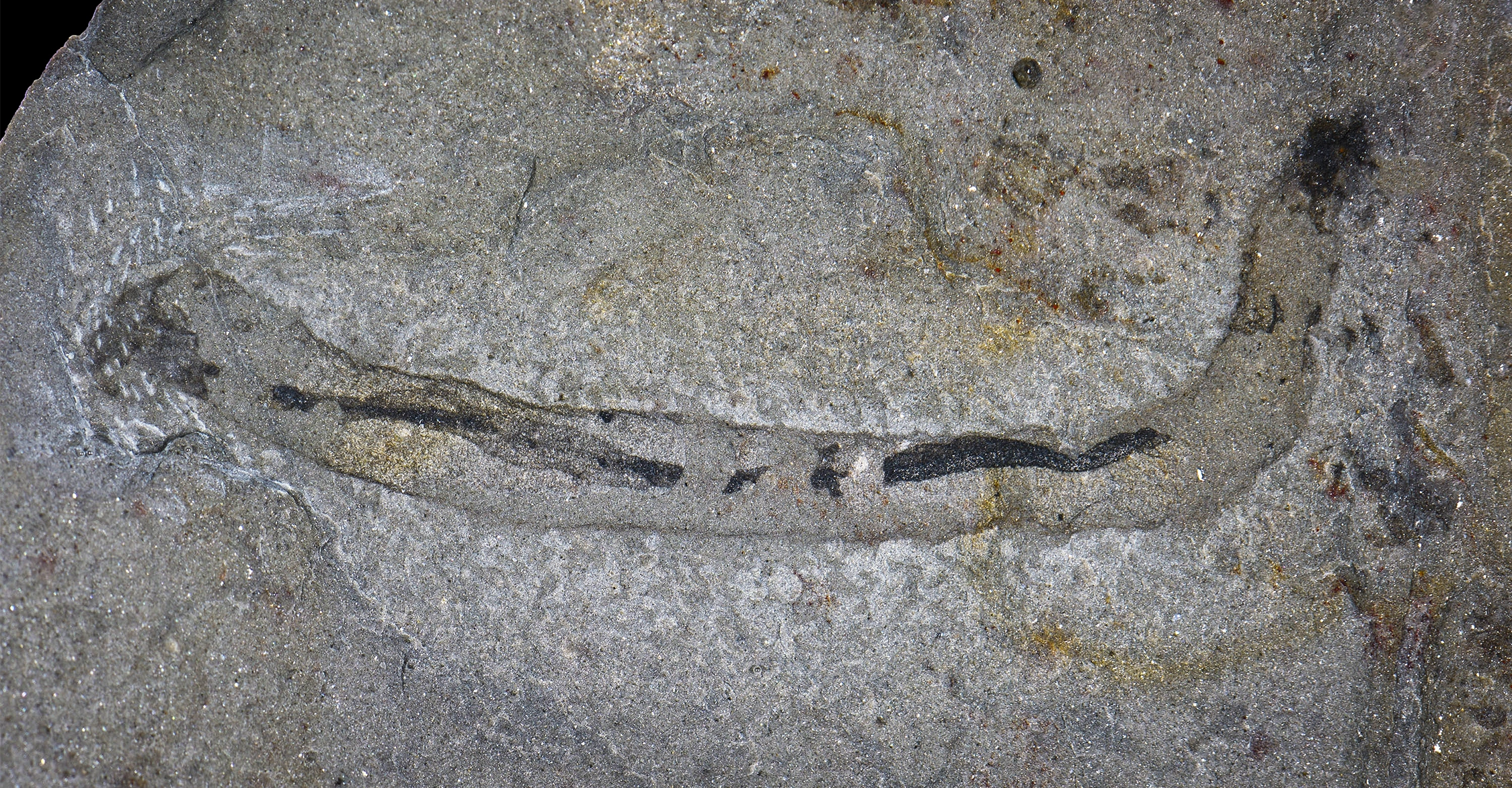
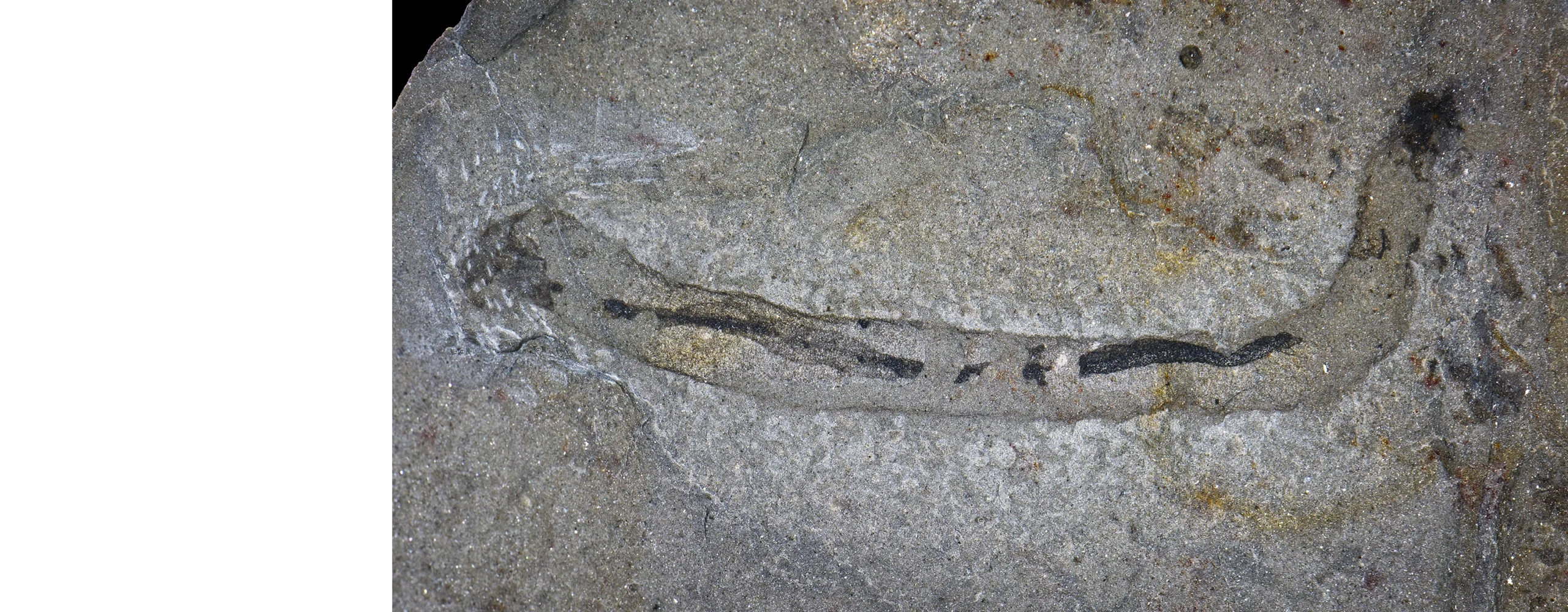
In the Cambrian Period, predatory worms called PRIAPULIDS were abundant, while annelids, modern-day segmented worms, were scarce. Now it’s the opposite. “There was obviously a shift in the nature of these [ocean floor] habitats at some point,” Erwin said, but “we don’t know when that happened.” Finding fossils like this from the Permian Period (299 to 251 million years ago) would help piece together that history, he added.
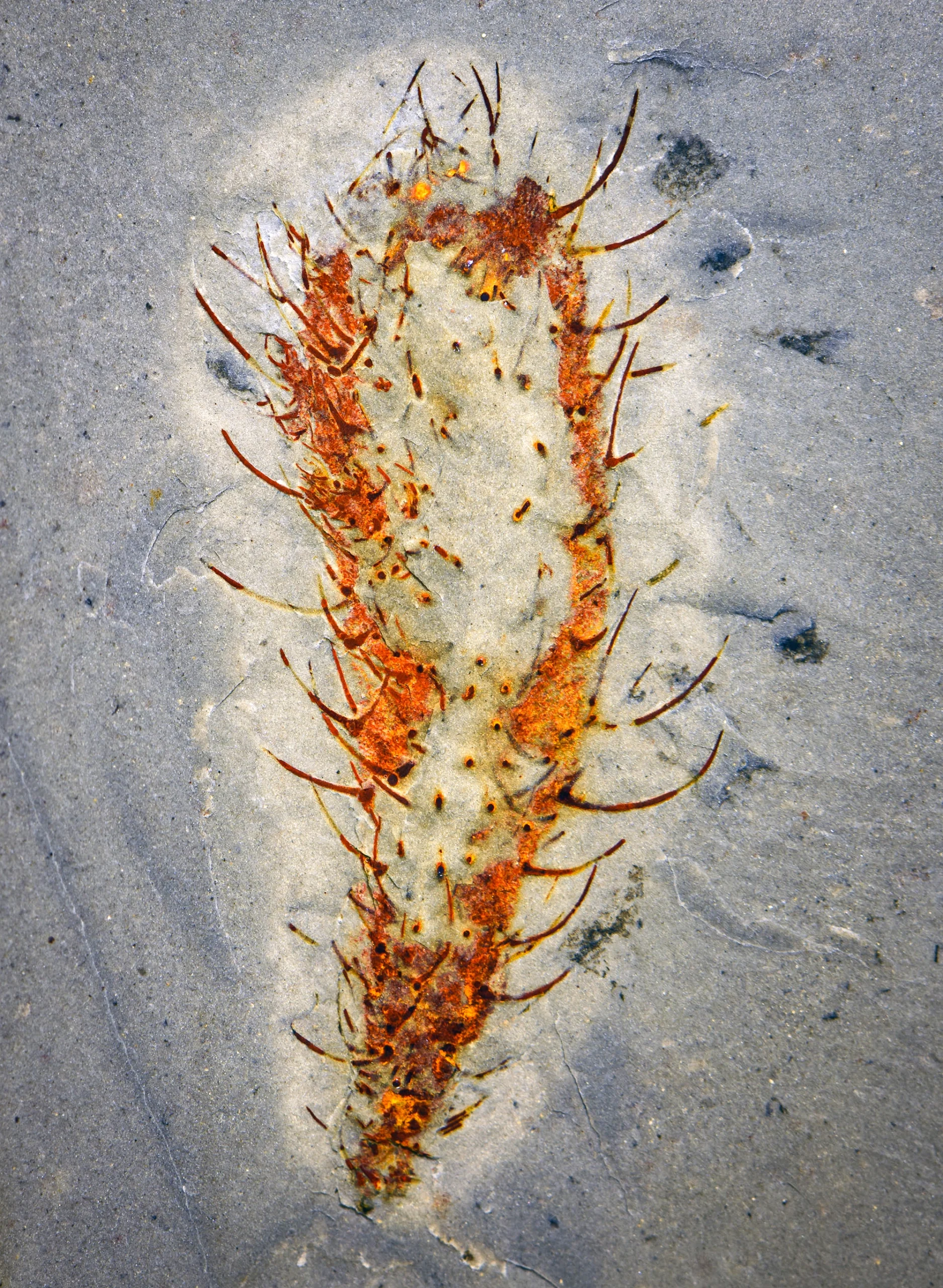
This cactuslike animal called ALLONNIA was a type of chancelloriid, an animal resembling a sponge that was anchored to substrate, rocks, or sponges and only lived during the Cambrian Period, Zeng said.
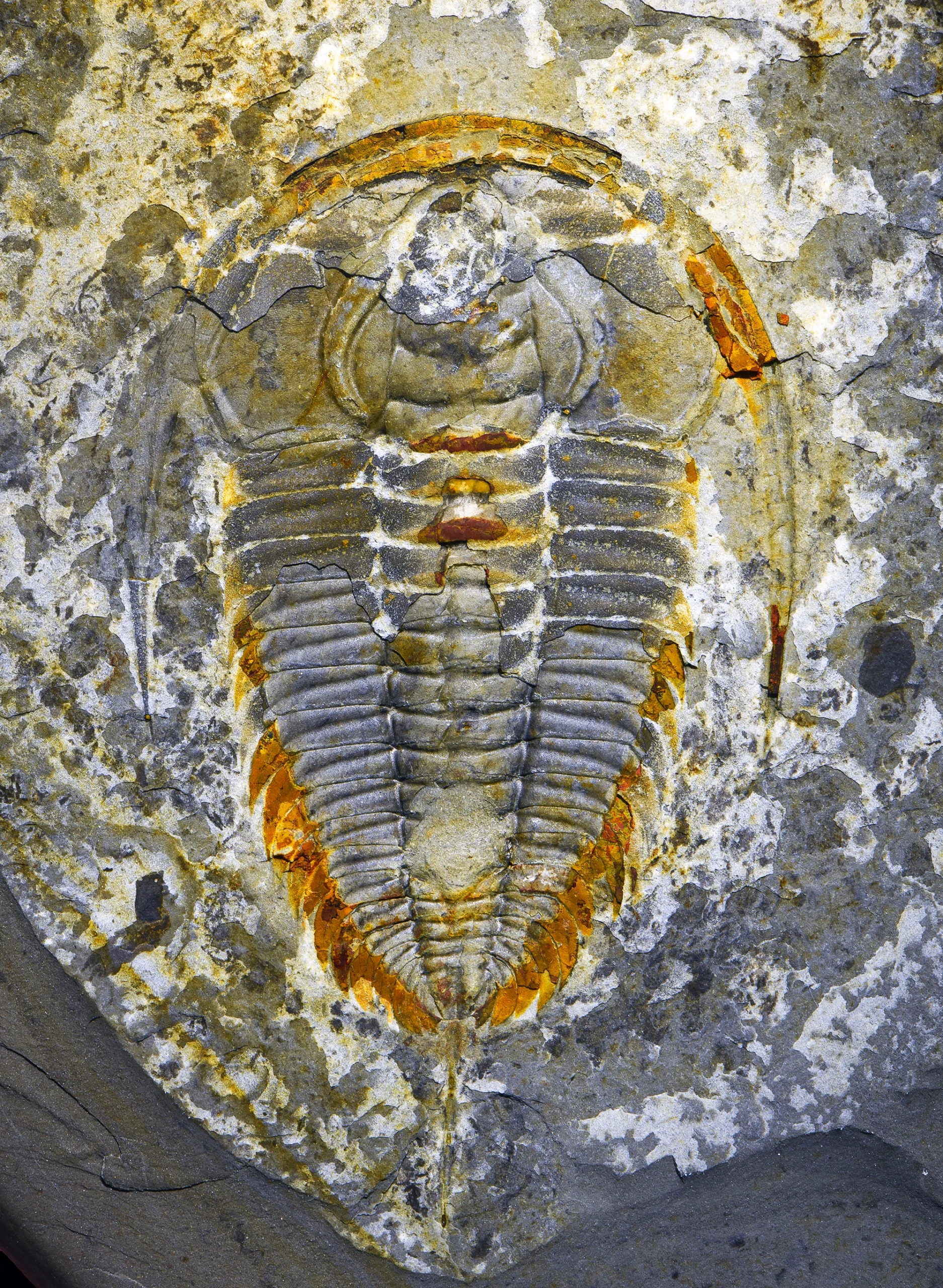
REDLICHIA (PTEROREDLICHIA) CHINENSIS is the largest trilobite from the Huayuan biota and has also been found in other Cambrian deposits across south China, Zeng said. As a hard-bodied animal, trilobites have been preserved much better in the fossil record and are therefore better studied.
Left: This cactuslike ALLONNIA was a type of chancelloriid, an animal resembling a sponge that was anchored to substrate, rocks, or sponges and only lived during the Cambrian Period, Zeng said. Right: REDLICHIA (PTEROREDLICHIA) CHINENSIS is the largest trilobite from the Huayuan biota and has also been found in other Cambrian deposits across south China, Zeng said. As a hard-bodied animal, trilobites have been preserved much better in the fossil record and are therefore better studied.
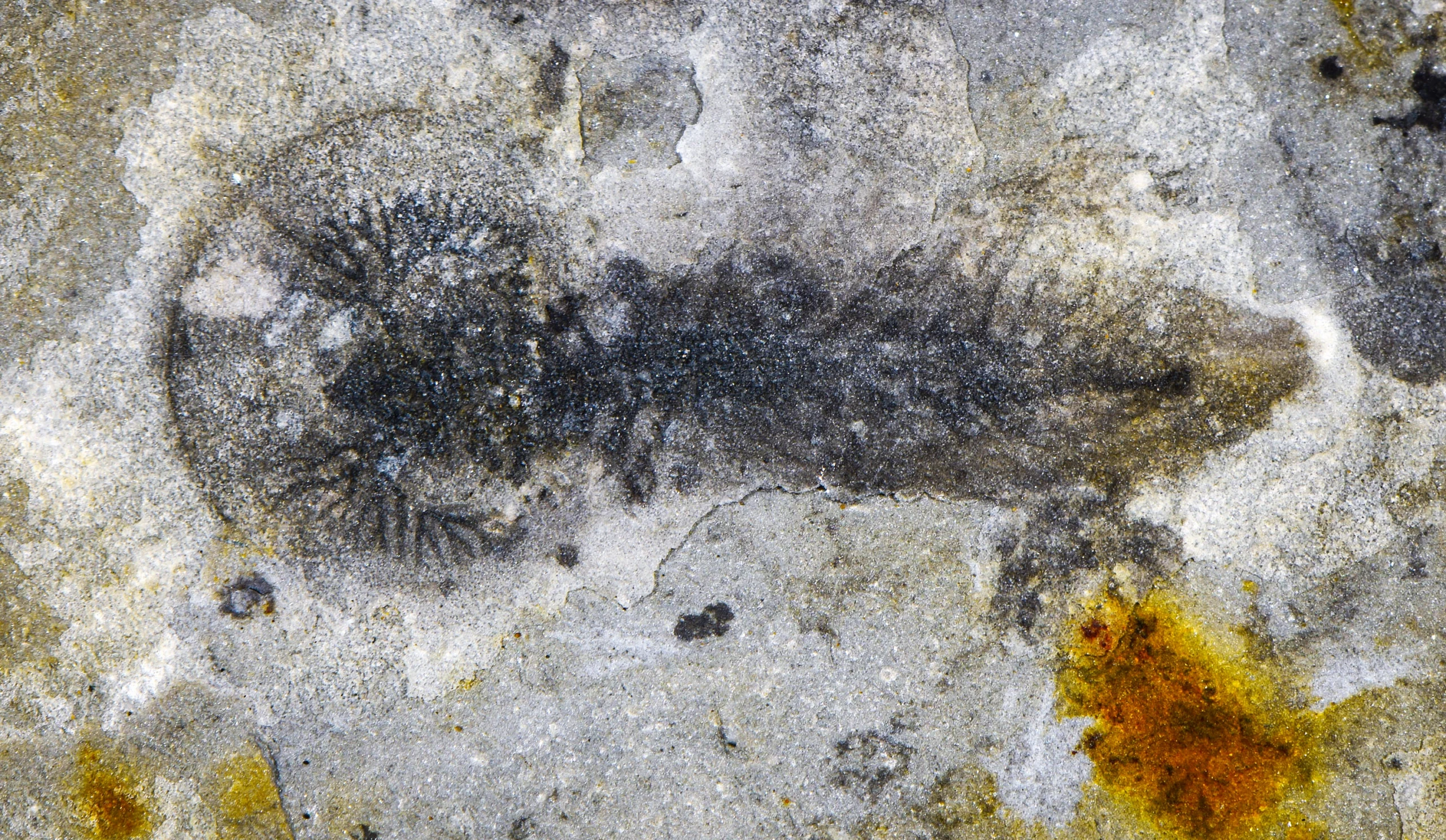
This ARTIOPOD is another extinct type of arthropod. A feathery semicircle shows the intricacies of its gut. “Those are where all the gastric enzymes are secreted in the gut that flow down and help digest what it just ate,” Erwin explained. Details like this “beautifully illustrate the quality of preservation” in the new Huayuan collection, he added.
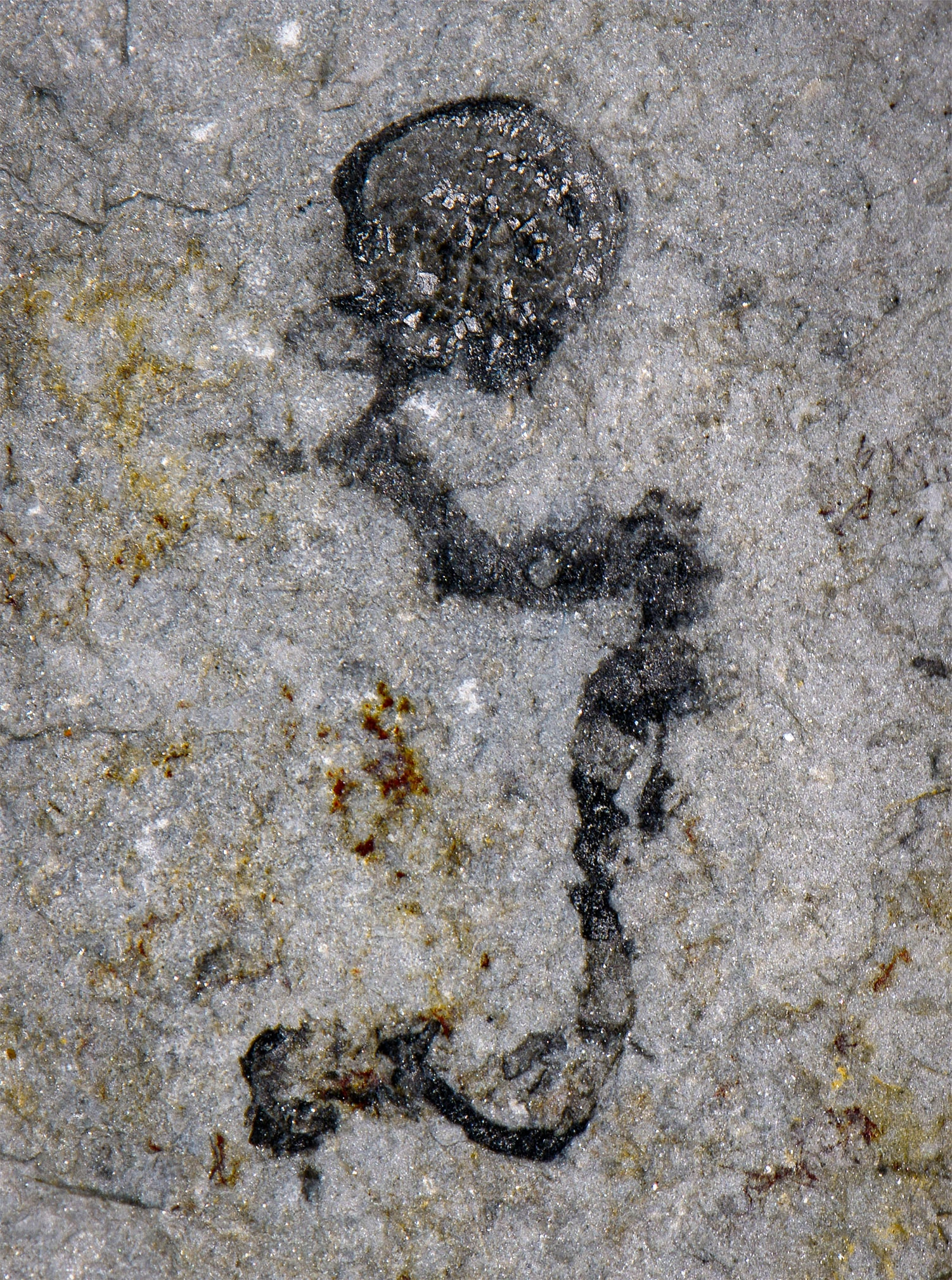
BRACHIOPODS first appeared in the fossil record during the Cambrian and were widespread until the Permian-Triassic mass extinction. This Huayuan species called ASKEPASMA TRANSVERSALIS has a pair of shells at the end of a long stalk that was attached to the seafloor. These visual doppelgängers of bivalves still exist in the modern world but are now relatively scarce.
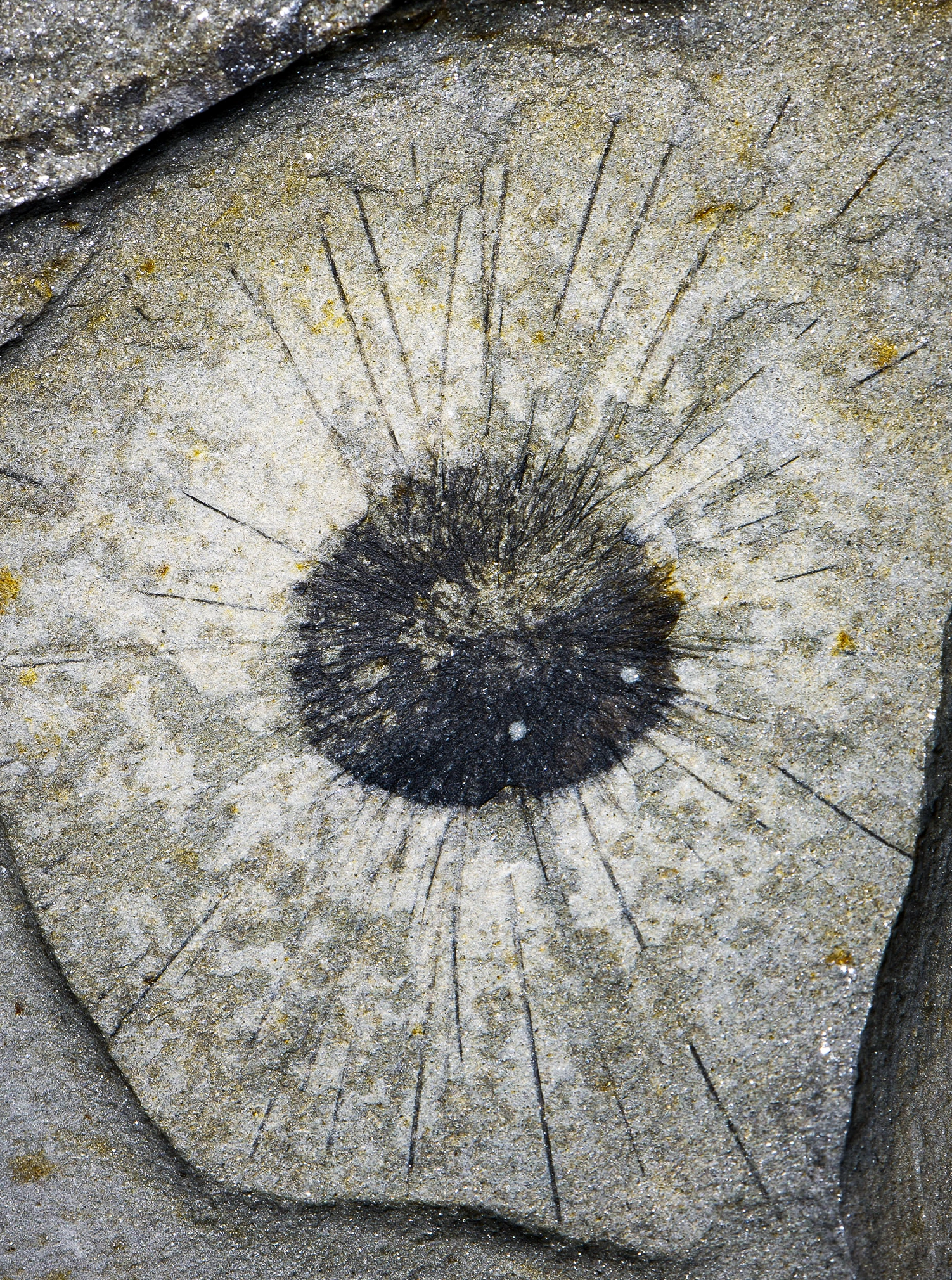
This fossil looks like a sea urchin, but it’s actually a sponge known as CHOIA CARTERI that has also been found in North American Cambrian fossil sites. The long spicules probably acted as a snowshoe for the muddy ocean floor, Erwin said.
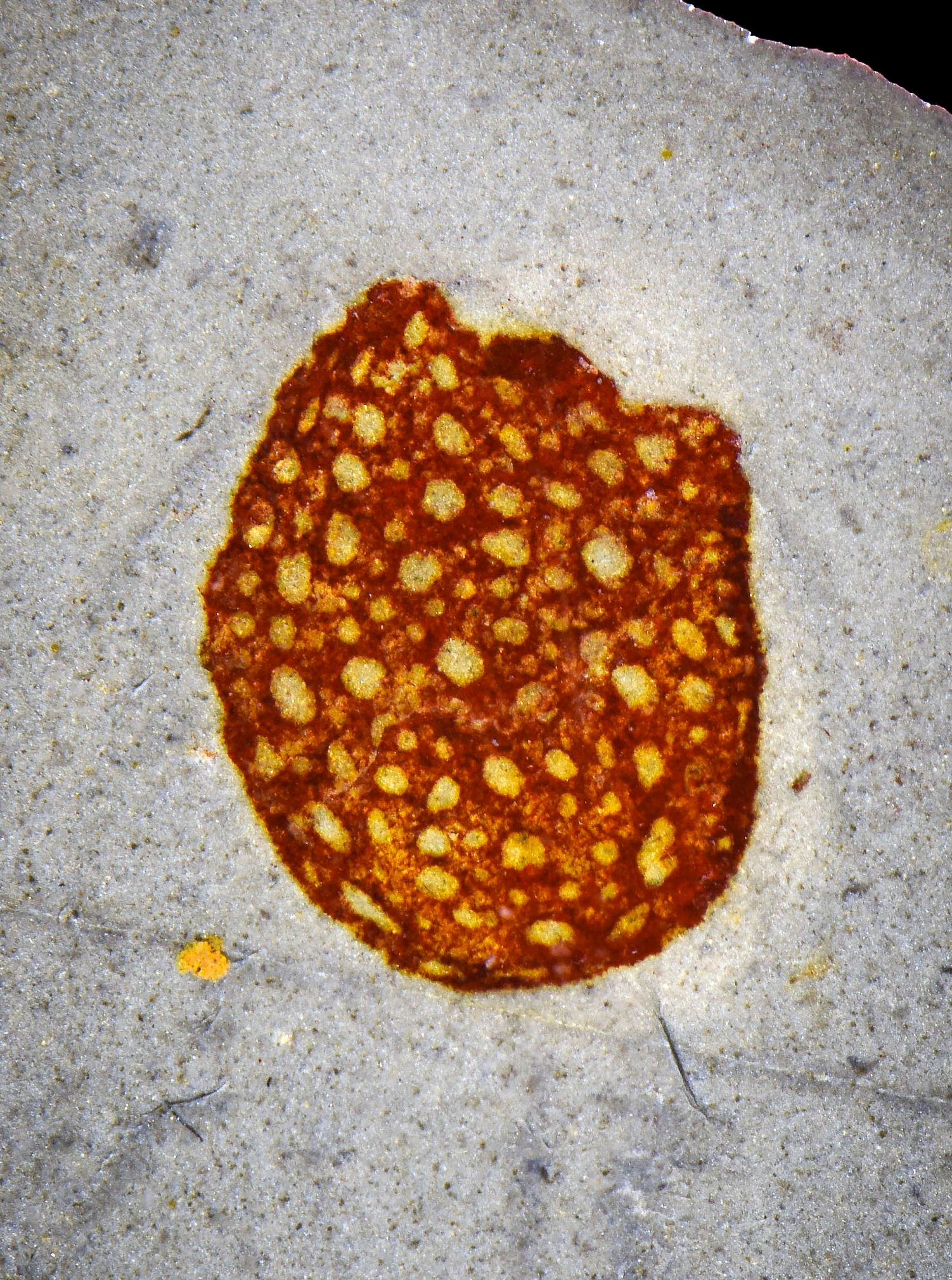
This sponge, likely from the genus CRUMILLOSPONGIA, is “beautifully preserved,” Erwin said. It has also been found in the Burgess Shale.
Left: BRACHIOPODS first appeared in the fossil record during the Cambrian and were widespread until the Permian-Triassic mass extinction. This Huayuan species called ASKEPASMA TRANSVERSALIS has a pair of shells at the end of a long stalk that was attached to the seafloor. These visual doppelgängers of bivalves still exist in the modern world but are now relatively scarce. Center: This fossil looks like a sea urchin, but it’s actually a sponge known as CHOIA CARTERI that has also been found in North American Cambrian fossil sites. The long spicules probably acted as a snowshoe for the muddy ocean floor, Erwin said. Right: This sponge, likely from the genus CRUMILLOSPONGIA, is “beautifully preserved,” Erwin said. It has also been found in the Burgess Shale.
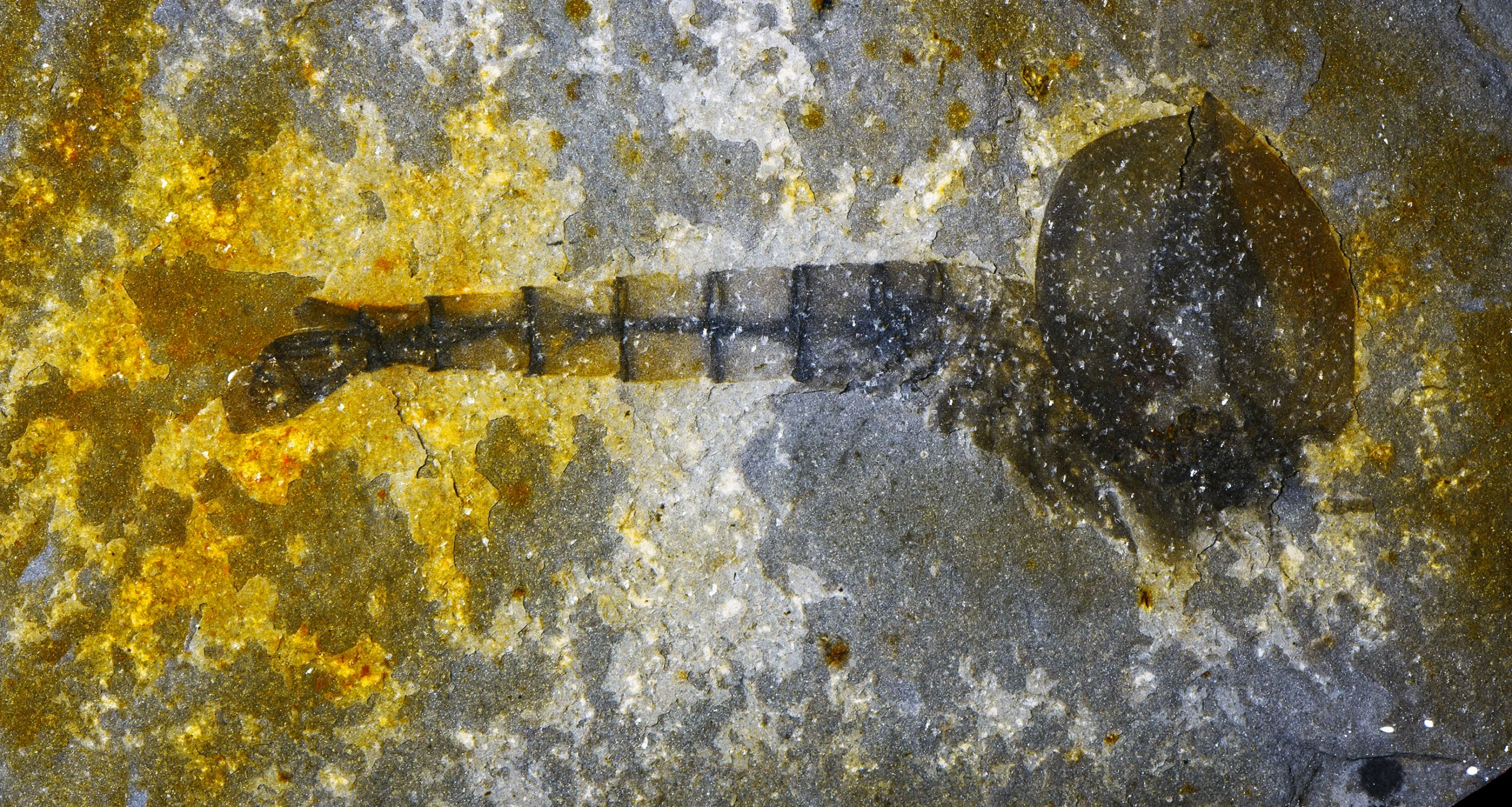
This shrimplike creature is a new type of waptiid of the extinct arthropod order HYMENOCARINA. A symmetrical outer shell protected its upper body, while the tail was exposed. This fossil shows tiny details that are rarely preserved, including its guts and small frontal appendages.