What's up in
Oceans
Latest Articles
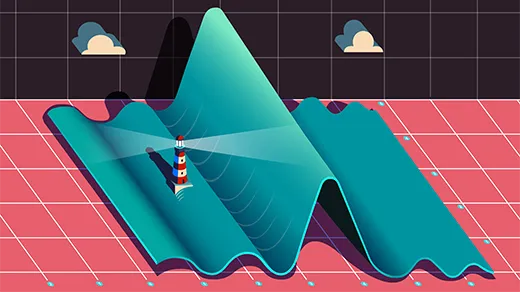
What Causes Giant Rogue Waves?
Wave-science researcher Ton van den Bremer and Steven Strogatz discuss how rogue waves can form in relatively calm seas and whether their threat can be predicted.

An Explorer of Abyssal Depths Looks to Oceans on Other Worlds
The marine geochemist Chris German brings decades of experience studying seafloor hydrothermal vents to NASA’s preparations for visits to other ocean worlds in our solar system.
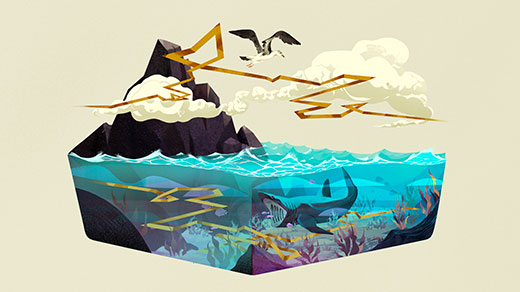
Random Search Wired Into Animals May Help Them Hunt
The nervous systems of foraging and predatory animals may prompt them to move along a special kind of random path called a Lévy walk to find food efficiently when no clues are available.
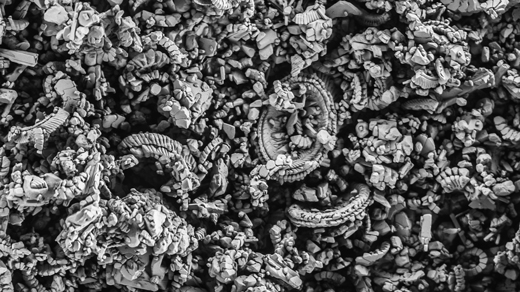
How Jurassic Plankton Stole Control of the Ocean’s Chemistry
Only 170 million years ago, new plankton evolved. Their demand for carbon and calcium permanently transformed the seas as homes for life.
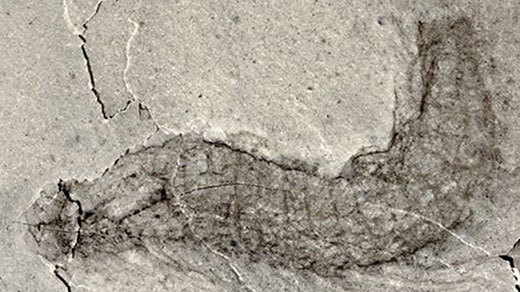
Rapid Oxygen Changes Fueled an Explosion in Ancient Animal Diversity
Skyrocketing animal diversity a half-billion years ago was linked to spikes and dips in marine oxygen levels, according to a detailed geological study.
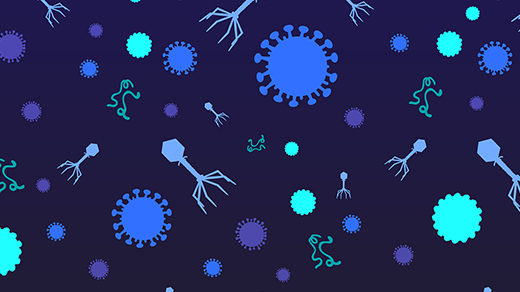
Scientists Discover Nearly 200,000 Kinds of Ocean Viruses
New work raises the estimated diversity of viruses in the seas more than twelvefold and lays the groundwork for a better understanding of their impact on global nutrient cycles.
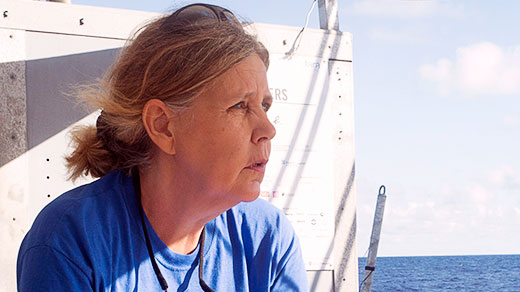
On Waste Plastics at Sea, She Finds Unique Microbial Multitudes
Maria-Luiza Pedrotti is illuminating the unseen worlds of plastic-eating bacteria that teem in massive ocean garbage patches.
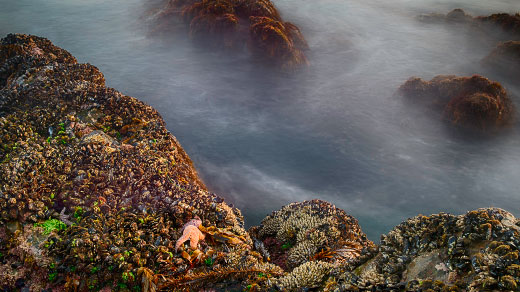
Awash in Sea of Data, Ecologists Turn to Open Access Tools
To assess the ocean’s health, ecology’s “rugged individualists” learned to get with the big data program.
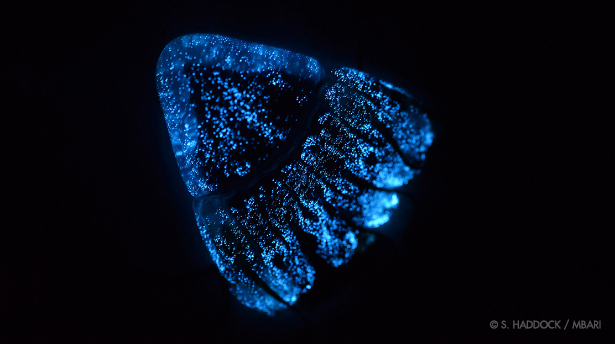
In the Deep, Clues to How Life Makes Light
Bioluminescent organisms have evolved dozens of times over the course of life’s history. Recent studies are narrowing in on the complicated biochemistry needed to illuminate the dark.