What's up in
Bacteria
Latest Articles
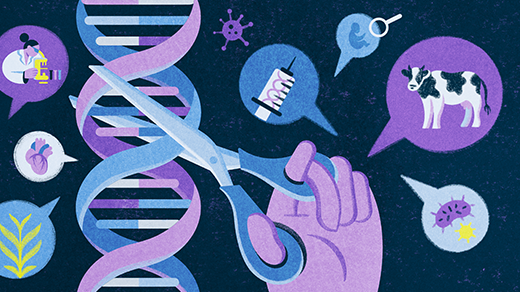
What’s the Future of Gene Editing?
In the first episode of the new season of ‘The Joy of Why,’ Nobel Laureate Jennifer Doudna discusses how she discovered CRISPR’s genome-editing power, the breakthroughs and hurdles during its explosive growth, and what lies ahead for this groundbreaking technology.
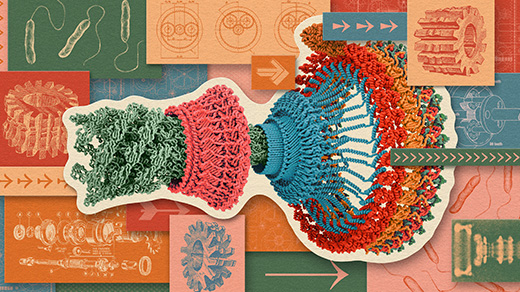
What Physical ‘Life Force’ Turns Biology’s Wheels?
The bacterial flagellar motor is finally understood after 50 years. In its workings, columnist Natalie Wolchover finds the essence of life.
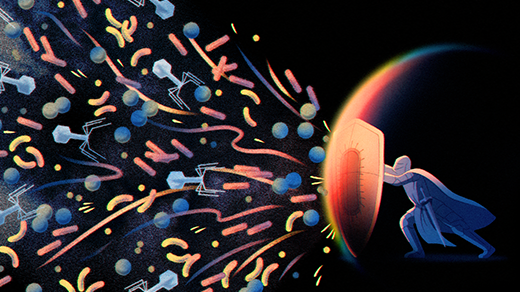
The Ancient Weapons Active in Your Immune System Today
Dozens of new discoveries reveal that defenses evolved by bacteria and viruses billions of years ago still define our own innate immune system.
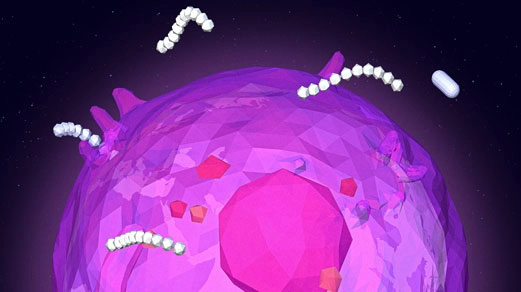
The Microbial Masters of Earth’s Climate
A collection of short dispatches from the field of climate microbiology conveys the contributions that single-celled life forms make to our climate system, and how we can work with them to address climate change.
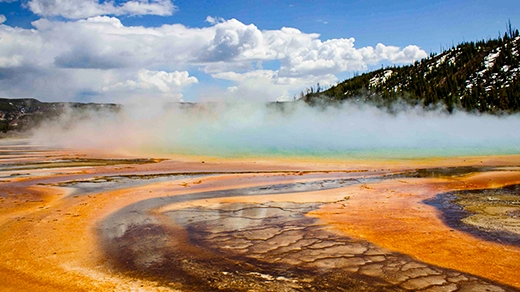
The Cells That Breathe Two Ways
In a hot spring at Yellowstone National Park, a microbe does something that life shouldn’t be able to do: It breathes oxygen and sulfur at the same time.
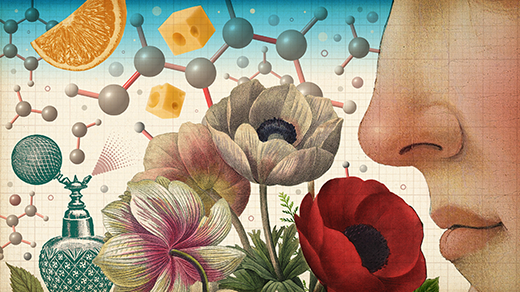
How Smell Guides Our Inner World
A better understanding of human smell is emerging as scientists interrogate its fundamental elements: the odor molecules that enter your nose and the individual neurons that translate them into perception in your brain.
The Ecosystem Dynamics That Can Make or Break an Invasion
By speedrunning ecosystems with microbes, researchers revealed intrinsic properties that may make a community susceptible to invasion.
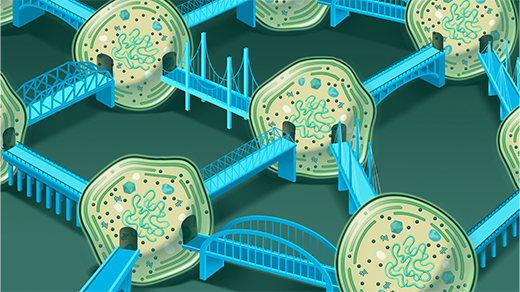
The Ocean Teems With Networks of Interconnected Bacteria
Nanotube bridge networks grow between the most abundant photosynthetic bacteria in the oceans, suggesting that the world is far more interconnected than anyone realized.
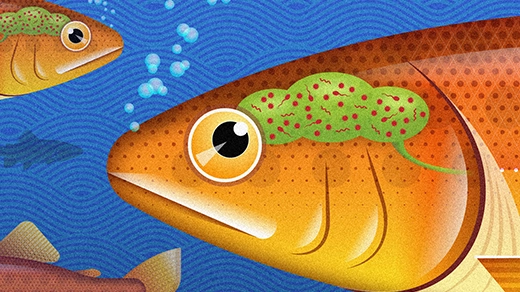
Fish Have a Brain Microbiome. Could Humans Have One Too?
The discovery that other vertebrates have healthy, microbial brains is fueling the still controversial possibility that we might have them as well.