What's up in
Cells
Latest Articles
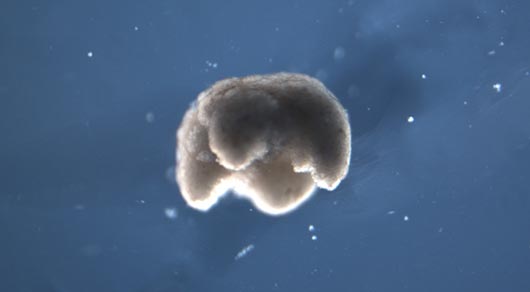
Cells Form Into ‘Xenobots’ on Their Own
Embryonic cells can self-assemble into new living forms that don’t resemble the bodies they usually generate, challenging old ideas of what defines an organism.
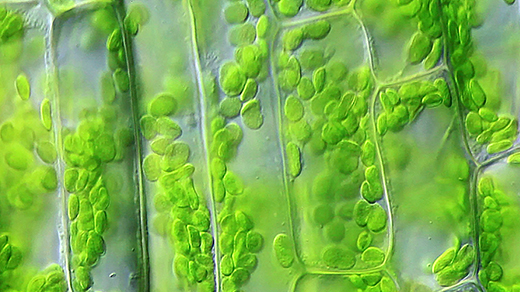
Plant Cells of Different Species Can Swap Organelles
In grafted plants, shrunken chloroplasts can jump between species by slipping through unexpected gateways in cell walls.
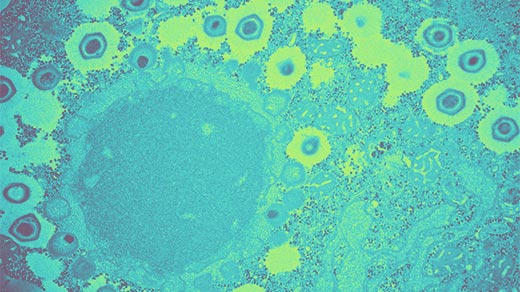
Did Viruses Create the Nucleus? The Answer May Be Near.
An unorthodox symbiotic theory about the origin of eukaryotes’ defining characteristic may soon be put to the test.
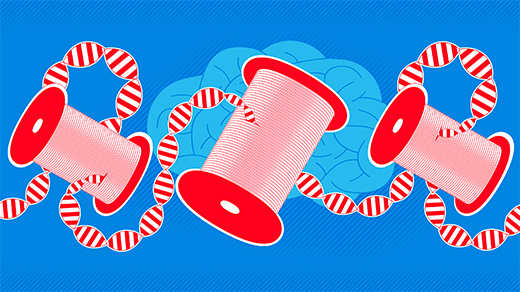
The Epigenetic Secrets Behind Dopamine, Drug Addiction and Depression
New research links serotonin and dopamine not just to addiction and depression, but to the ability to control genes.
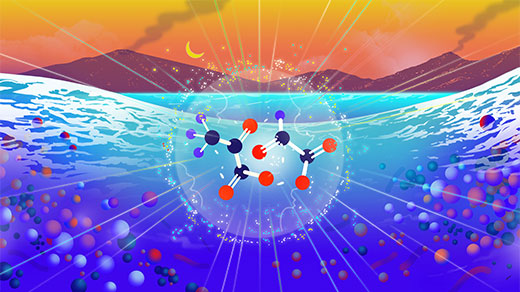
New Clues to Chemical Origins of Metabolism at Dawn of Life
The ingredients for reactions ancestral to metabolism could have formed very easily in the primordial soup, new work suggests.
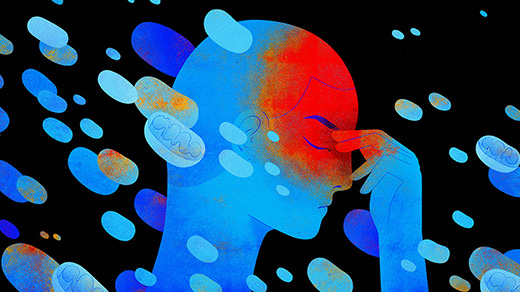
Mitochondria May Hold Keys to Anxiety and Mental Health
Research hints that the energy-generating organelles of cells may play a surprisingly pivotal role in mediating anxiety and depression.
Spreading the Word on a Possible Alzheimer’s Treatment
Neuroscientists could use brain waves to spur immune cells into action against the disease — but the process is almost too fantastic to believe.
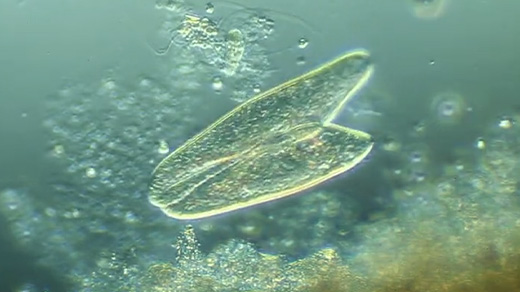
Why Sex? Biologists Find New Explanations.
Why did sex evolve? Theories usually focus on the diversity of future generations, but some researchers find compelling explanations in the immediate benefits to individuals.
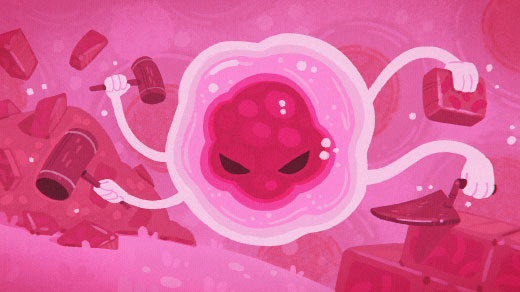
Immune Cell Assassins Reveal Their Nurturing Side
Don’t be misled by the bloodthirsty names of immune cells. Mounting research shows that the cells also fine-tune tissues and help the body heal.