An Arctic Road Trip Brings Vital Underground Networks into View
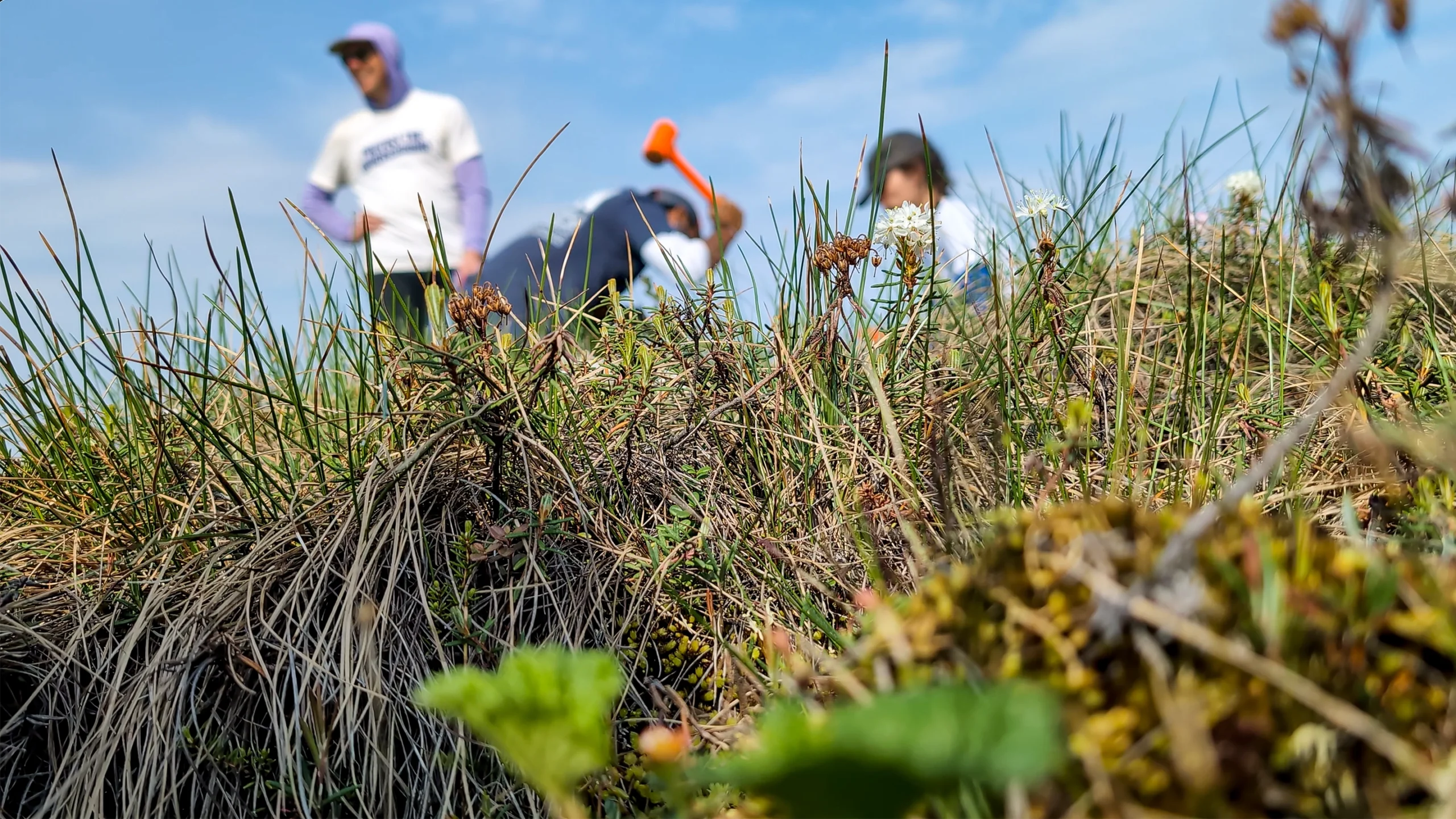
Biologists hammer a steel tube into the ground to collect a soil sample. Dozens of such samples taken from northern Alaska will reveal whether this place is a global hot spot of rare species of mycorrhizal fungi.
Max Levy
Introduction
This story was supported by the Pulitzer Center.
One Tuesday in June 2025, a white Chevy Suburban set off down the northernmost highway in North America. The sun of Alaska’s polar summer hadn’t set in 40 days, and it wouldn’t set again for another 35. But for Michael Van Nuland, the biologist in the driver’s seat, time was already running out.
The SUV, packed with four days of fieldwork essentials — rubber boots for mucking in marshes, GPS for centimeter-level precision, a steel tube for extracting soil cores from permafrost — growled along the Dalton Highway, which sews an asphalt-and-gravel seam through the tundra of Alaska’s northern coast. Through the window, the lack of visible trees suggested a barren landscape, but looks are deceiving. The miles of sedge and duvet-thick moss formed the basis of a feast for seasonal caribou, grizzlies, muskox, and roughly 200 bird species.
Van Nuland was more interested in what was happening underground, where sprawling systems of fungal threads — from microscopic ducts to arteries thick as yarn — extended dozens of feet horizontally in all directions. By connecting plant roots and circulating nutrients, this dense, networked scaffold sustained life above the surface.
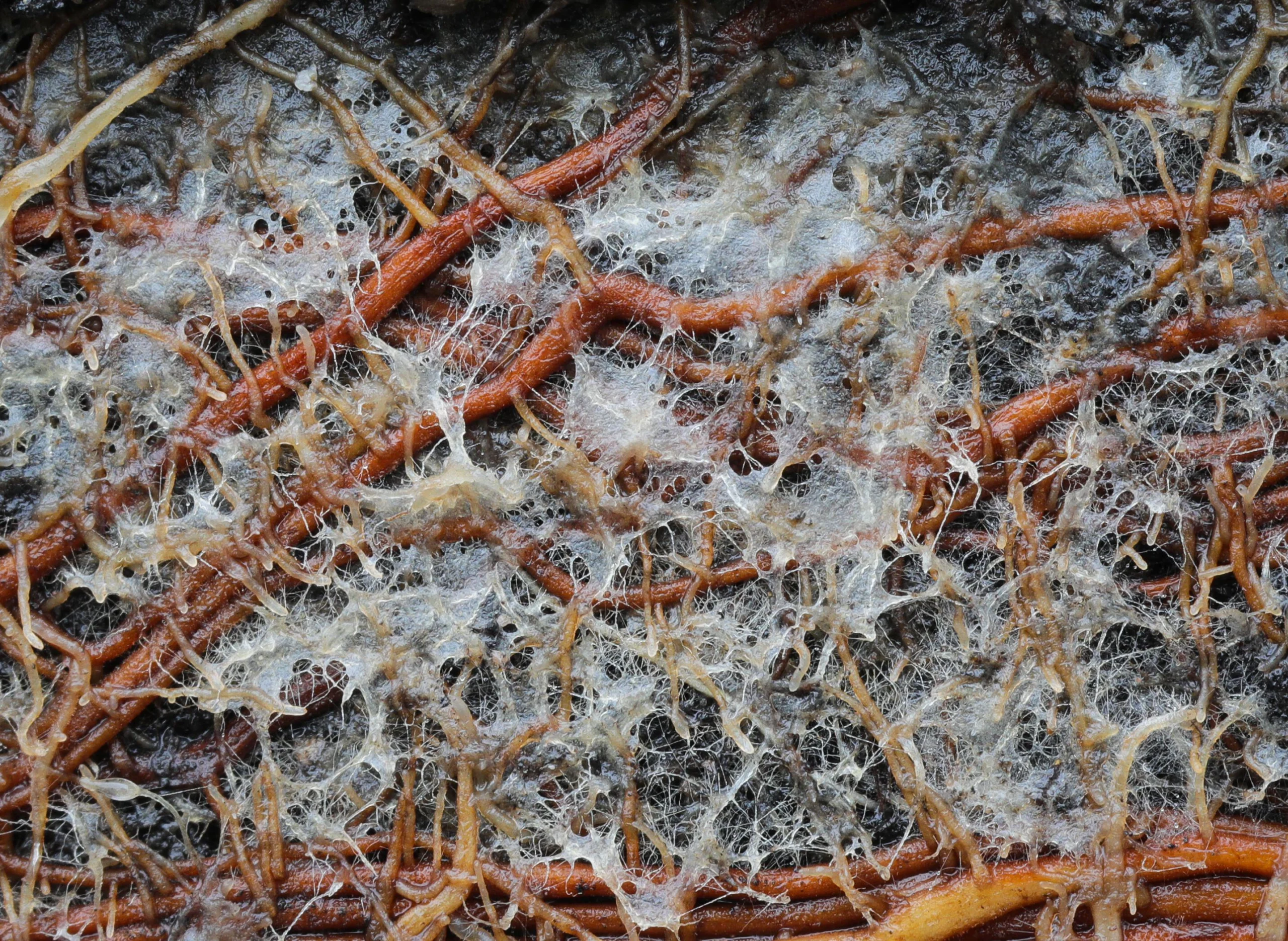
Mycorrhizal fungi grow densely on beech roots. In the late 19th century, botanists assumed that these fungal networks were infectious parasites. “People couldn’t believe that these fungi were actually penetrating into plant cells and not taking something,” said the evolutionary biologist Toby Kiers.
Steven Morris/Alamy
“Some people just see dirt as dirt. But it’s a living, breathing system,” said Van Nuland, the lead data scientist of the nonprofit Society for the Protection of Underground Networks (SPUN). “The complexity you see in a forest — the layers of canopy, the different species of birds and insects … You’re walking over an equally or possibly even more complex system below ground.”
This system’s architect was the subject of Van Nuland’s study: mycorrhizal fungi, a group of evolutionarily far-flung, soil-dwelling microbes whose ever-growing appendages extract nutrients and water from their surroundings. Those surroundings include nearby plants. The fungi’s pale, thread-like “hyphae” burrow through the soil until they find plant roots to connect with. Then, the parties can trade. From the fungus, the plant accepts scarce nitrogen and phosphorus that its own roots struggle to reach; the fungus takes the plant’s carbon to further grow and colonize the soil.
Across the century since their discovery, mycorrhizal fungi have been considered parasites of plant roots and, later, passive infrastructure that served plants’ interests. But studies from this decade that used advanced techniques in robotics and imaging suggest that they are active merchants that control their fates and influence the fates of others.
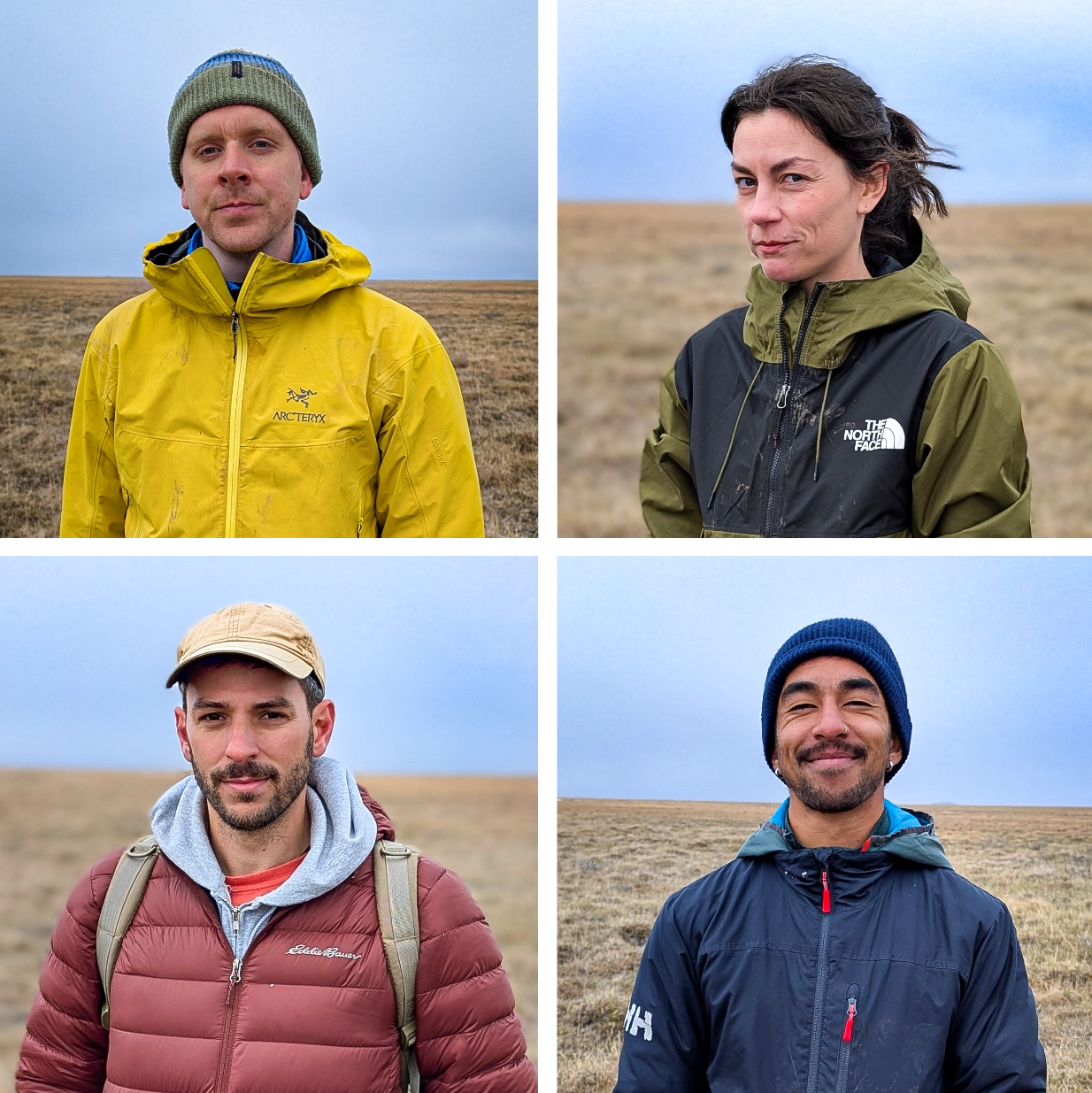
The expedition’s cast of intrepid biologists. Clockwise from top left: Michael Van Nuland, Kelcie Walther, Jinsu Elhance, and Mario Muscarella.
Max Levy
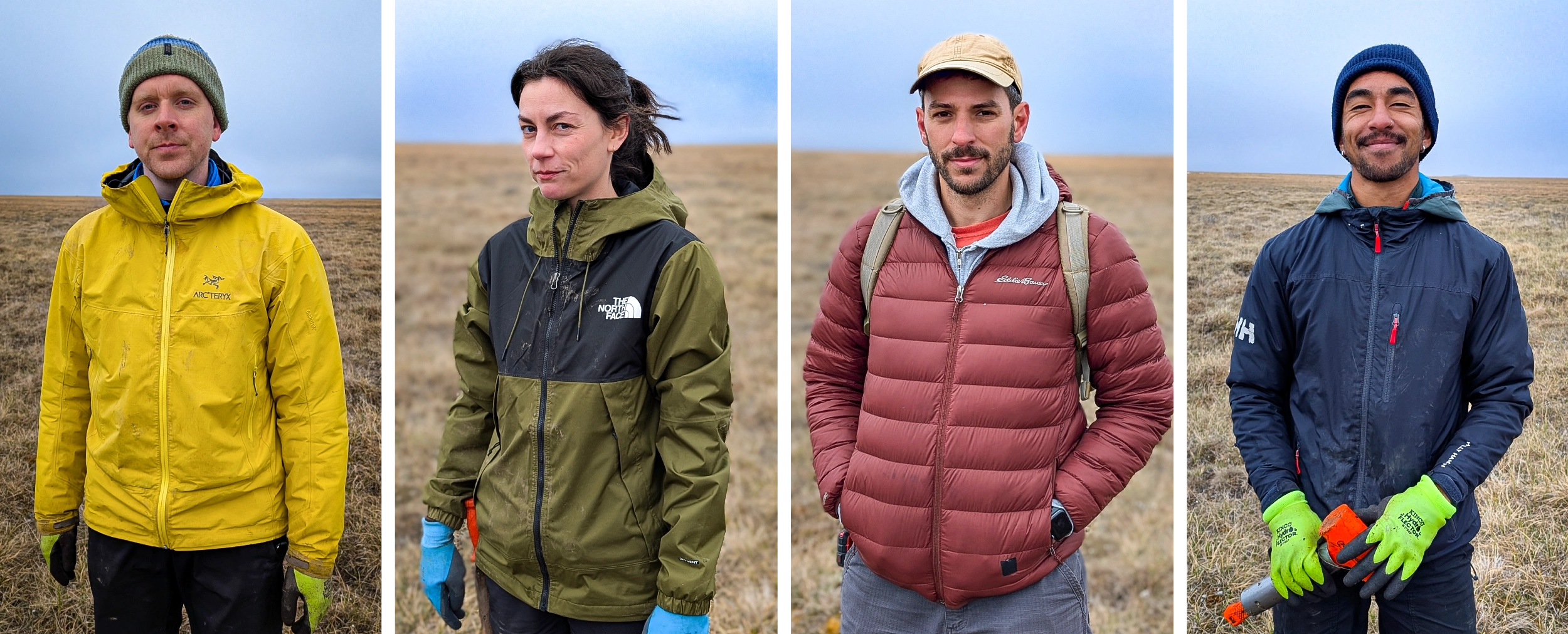
The expedition’s cast of intrepid biologists. From left: Michael Van Nuland, Kelcie Walther, Mario Muscarella, and Jinsu Elhance.
Max Levy
“You can think of fungi as sort of farming plants above ground,” said Toby Kiers, an evolutionary biologist at Vrije Universiteit Amsterdam and the chief scientist and director of SPUN, which she co-founded in 2021. Mycorrhizal fungi direct traffic through nutrient superhighways and restructure the soil to support life across entire ecosystems. Now, “we see fungi more as really important actors in their own right,” Kiers said. “It’s flipping the way that we understand the underground.”
As fungal networks come into focus, one thing that remains little known, especially in comparison with our understanding of plants and animals, is their global biodiversity and biogeography. There are likely between 20,000 and 50,000 species of mycorrhizal fungi, each with its own tricks for tapping into different plants and harvesting nutrients using enzymes, acids, and water-mining structures. To address this gap, in a model published in Nature in 2025, Van Nuland and his colleagues had used machine learning to process 25,000 soil samples from around the world, producing more than 2.8 billion fungal DNA sequences. They used the data to predict the locations of mycorrhizal “hot spots” — places with both high diversity and rarity of species.
That model is what drew Van Nuland to the Arctic. According to the analysis, this stretch of Alaskan tundra, sandwiched between the Prudhoe Bay oil fields and the Arctic National Wildlife Refuge, is likely a mycorrhizal hot spot. So Van Nuland brought a team of researchers to sample soil across the region; he and other SPUN researchers will sample more predicted hotspots around the world, including tropical islands, dense forests, and mountains. If these sites harbor rare, unique soil fungi, then each scoop of dirt could reveal new species.
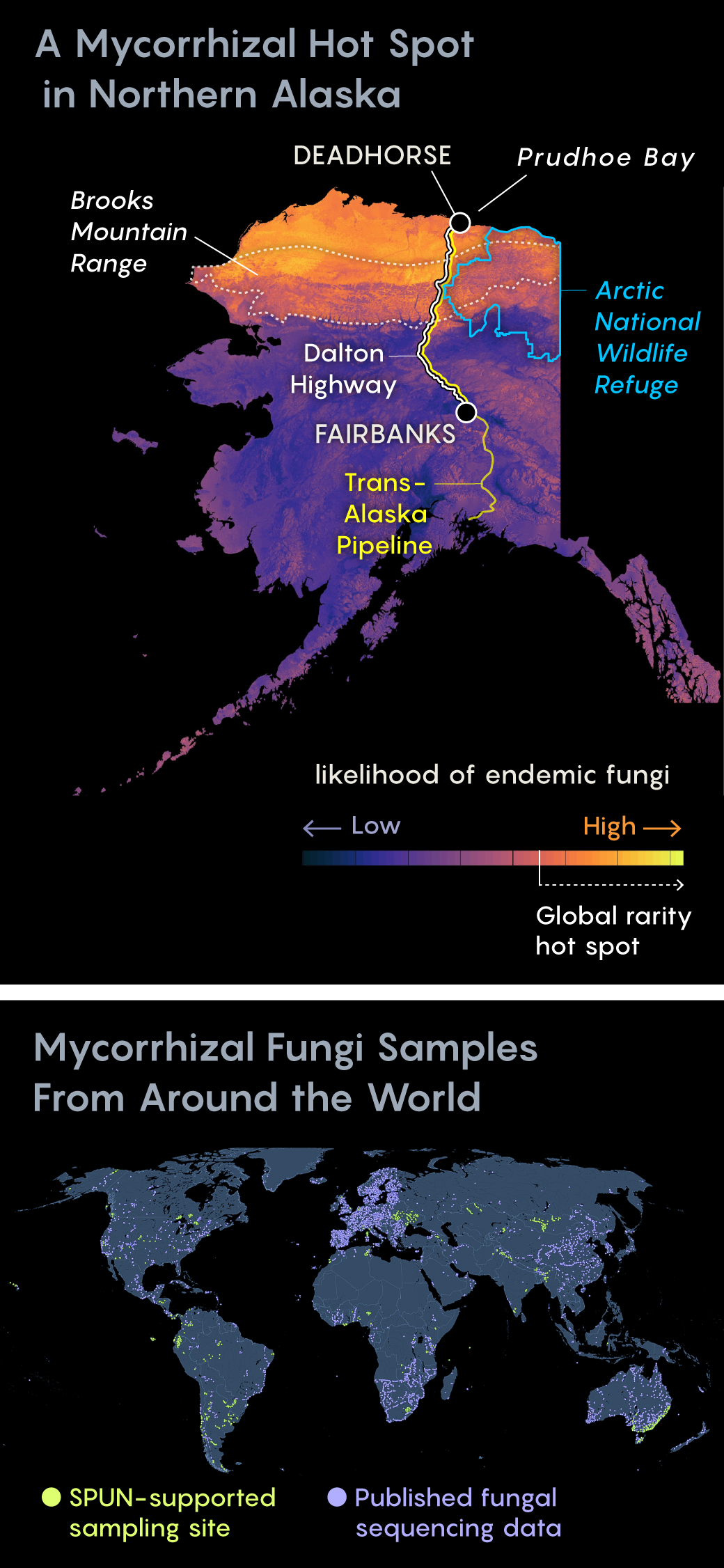
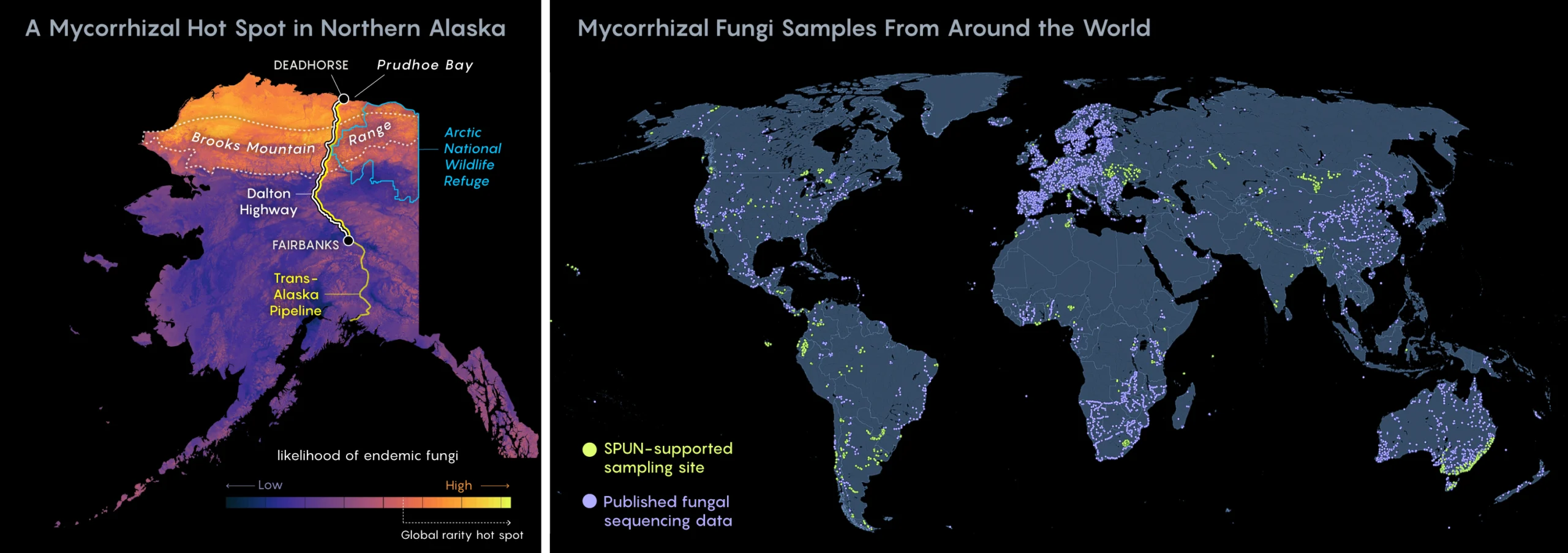
A machine-learning algorithm trained on 25,000 geolocated soil samples (right) predicted that the tundra of northern Alaska (left) was a hot spot for rare fungal species.
SPUN
The group’s findings could have global significance. Every year, the scraggles of mycorrhizal fungi store the equivalent of more than one-third of global carbon emissions. Northern permafrost, including in the Alaskan tundra, locks roughly 1 trillion metric tons of carbon in its top three meters of soil — about 10 times the amount of carbon in the entire Amazon rainforest, above and below the surface. Therefore, protection of these vast fungal networks is a key tool for resisting climate change.
“In the past we’ve really neglected to map, monitor, and protect fungal systems,” Kiers said, “and now that’s changing.”
But our recognition of mycorrhizae comes late. Climate change is already destabilizing this area. Fungal communities respond to warmer temperatures, increasing moisture, a growing frequency and intensity in wildfires, and thawing permafrost. Less than 10% of SPUN’s predicted mycorrhizal hot spots fall within protected land, and even protected land is not beyond the reach of climate change. To carve out space for soil fungi in protection efforts, he must gather more evidence for his model on the ground and identify rare species that will be affected.
That’s why Van Nuland and other researchers have been racing to sample hot spots of mycorrhizal fungi across the world. Without knowing which mycorrhizal characters shoulder our carbon burden, he fears, we will fail to protect them and, as a consequence, ourselves. As they venture to remote places, the scientists are discovering surprising ways in which underground wisps of fungi dictate the future of life aboveground.
Laying Groundwork
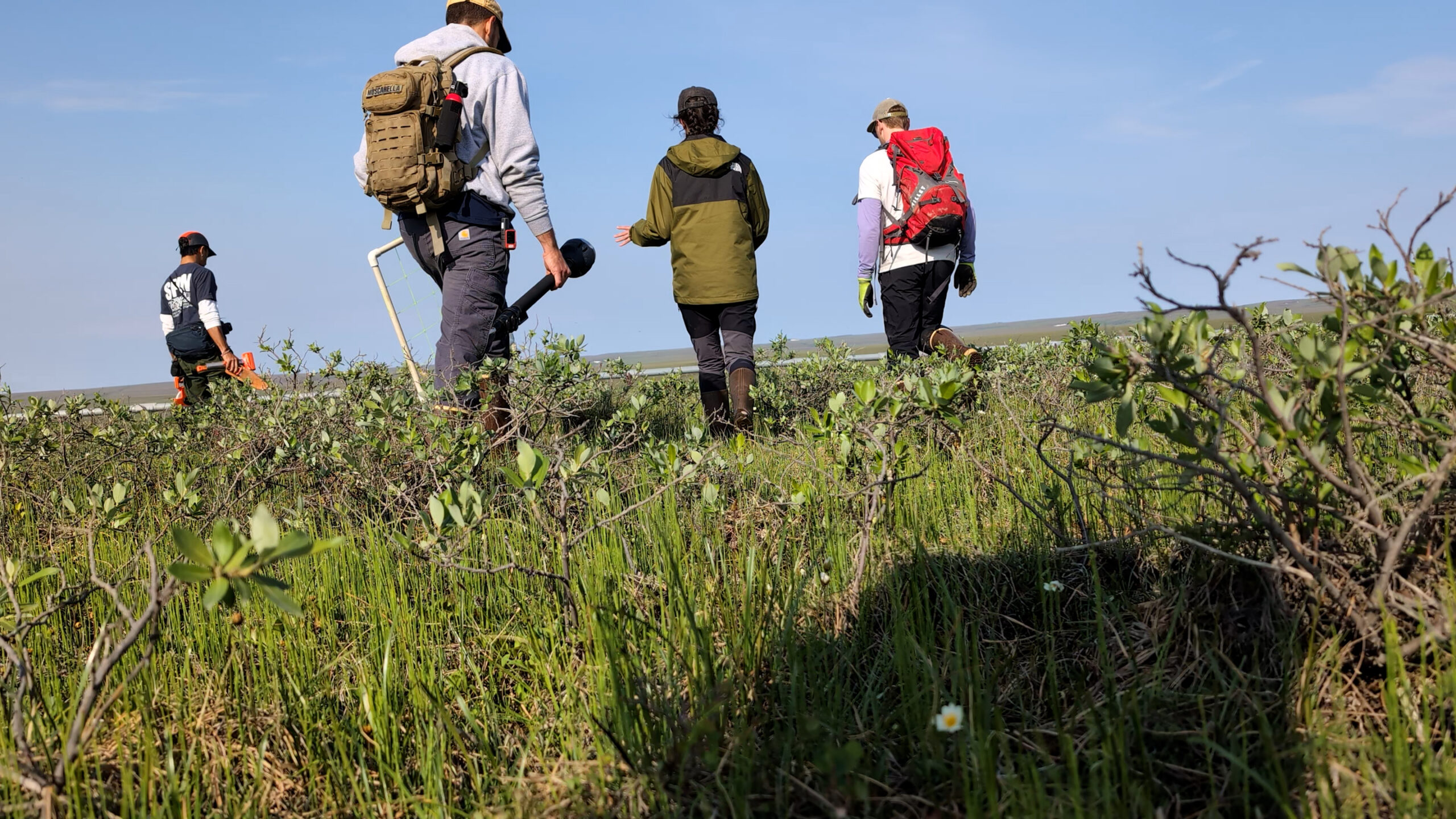
I joined the SPUN team in Deadhorse, an oilfield-support town on the northern coast of Alaska’s North Slope, at 6 a.m. on day three of a four-day, 150-mile tundra expedition. As we rumbled down the Dalton Highway, they caught me up on recent events. Day one began with a flat tire and ended with 10 sites sampled. On day two, the vehicle remained intact and the gang of four researchers bagged 14 more samples of damp, chocolatey marsh dirt.
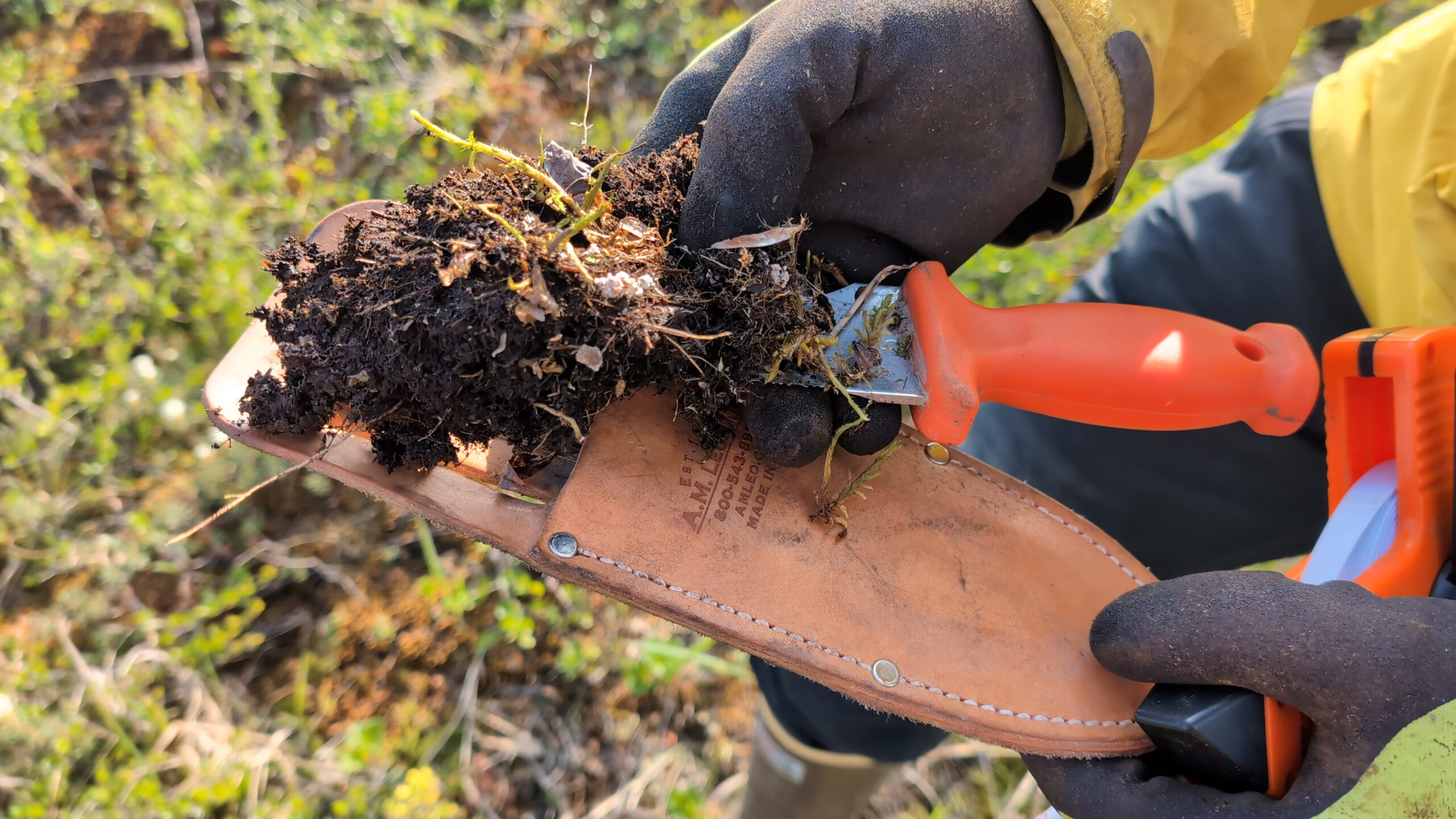
We drove south out of town and parked at a roadside pullout to pick up where the team had left off. During our short hike to the day’s first sample site, Van Nuland kneeled to introduce me to mycorrhizae. He peeled back thick moss next to a dwarf willow shrub and cut out a cold clod of dirt. Holding the excised earth in his palm, he pointed to small white clumps resembling popcorn.
“All of these are places where the [mycorrhizal] hyphae are wrapping themselves really intensely around the fine roots,” he said. “Then from this point they’re sending out their hyphal networks.” Hyphae are the individual filaments that make up the fungal body, or mycelium. These fungal tubes are made of rigid cells that contain chitin, the same compound found in insect exoskeletons. They can be impossibly thin. Hyphae are often barely five micrometers wide — about one-tenth the width of a human hair and much narrower than a plant’s root tip. By foraging, burrowing into crevices and tapping into air pockets and moist pools in the soil, hyphae can access nutrients that the shrub cannot.
That’s what researchers had assumed, anyway. What happens inside hyphae is invisibly small. The ability to finally see it is revolutionizing the field.
In February 2025, Kiers’s team of ecologists joined forces with Tom Shimizu’s biophysicists from the AMOLF Institute in Amsterdam to robotically track how nutrients flow within hyphae growing in petri dishes. The videos look like time-lapses of urban commutes. Nutrients streamed in both directions through the hyphal tunnels. As the fungi extended more hyphae, the branching network pulsed and gradually expanded into a nutrient-gobbling lace. If the hyphae were to grow any less densely, the network would be ineffective; any denser, and it would be inefficient.
“The study is phenomenal in its precision,” said Justine Karst, a forest ecologist at the University of Alberta who was not involved in it. “I’ve heard one of my colleagues describe it as a masterpiece.”
The imaging revealed how hundreds of thousands of independent fungal tips form an efficient network. On their endless search for nutrients, hyphae encroached into empty spaces. When filaments bumped into each other, they fused. And when a hyphal route returned too little nourishment, the fungi cut their losses and redirected growth elsewhere.
These mycelial networks grew as far from the wild as one can imagine: in petri dishes in a lab in Amsterdam. Yet the resulting images have finally made their interactions visible. “It feels almost like you’re a primatologist hiding behind a tree,” said Kiers, who was recently awarded a MacArthur fellowship and the Tyler Prize for Environmental Achievement.
In 2022, she hired Van Nuland, who had experience working with geospatial data, to help connect these microscopic exchanges to global cycles. “Michael is able to see this bigger picture of how all of these interactions come together to create what we see across the landscape,” Kiers said. “It’s such an incredible skill.”
Van Nuland spent his graduate school and postdoctoral years doing fieldwork and crafting controlled lab experiments to unravel the intricate interactions between fungi and plants, adding to decades of work showing that soil fungi are important drivers of plant diversity. When neighboring plants are similar, like two Arctic shrubs, they must differentiate how they obtain the scarce resources of the ecosystem. He has shown that each plant’s fungi enable it to strategically differentiate underground.
Plants are “competing for resources, and most of their resources are actually mediated by mycorrhizal fungi,” said Karst, who studies similar interactions.
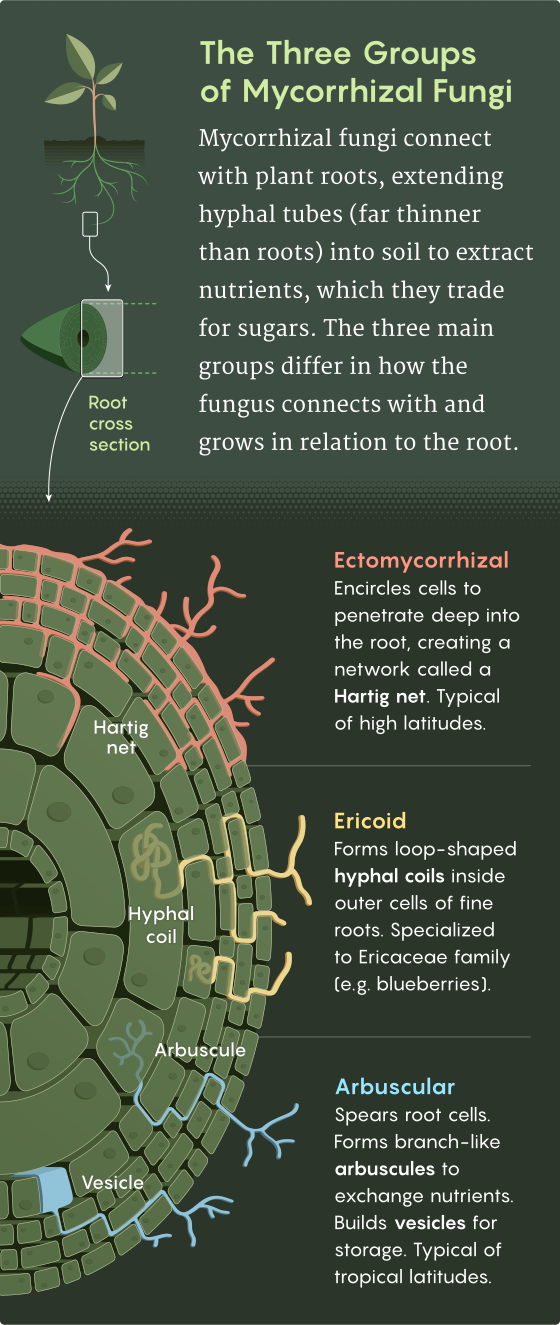
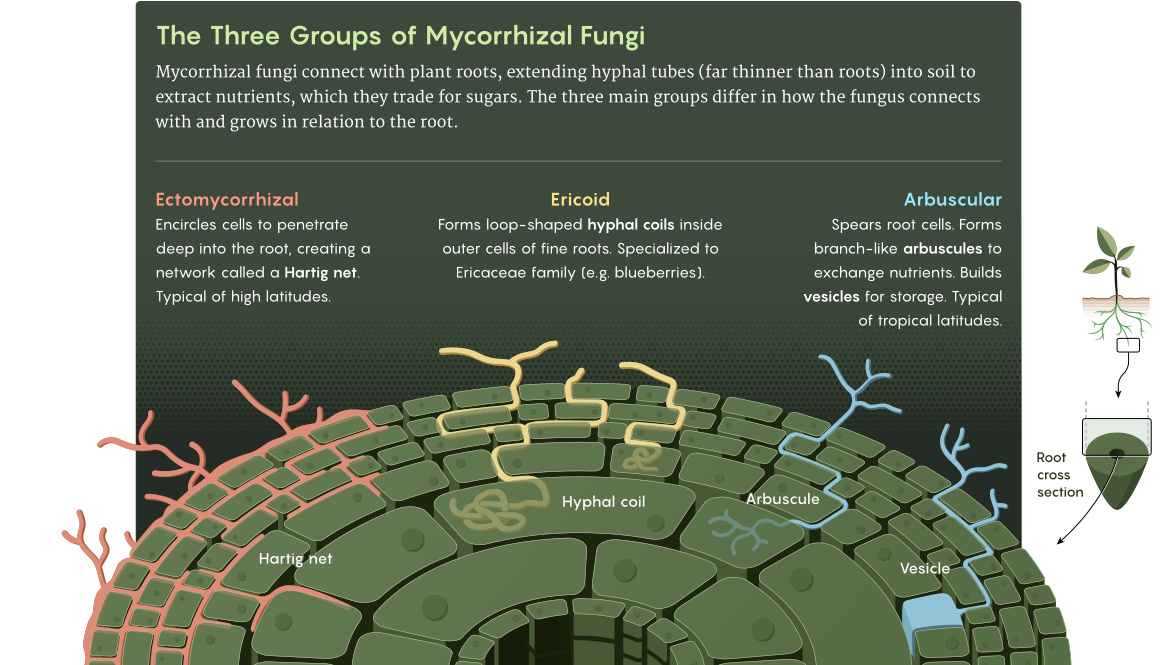
The tens of thousands of mycorrhizal species represent a huge variation, which researchers typically divide into two main types. Ectomycorrhizal fungi dominate high latitudes, where they can deliver hard-to-access soil nitrogen to plants by lassoing root cells with their hyphae. The more tropical, equator-clustered arbuscular fungi spear their microscopic hyphae through root cells to trade in their area of expertise, phosphorus. Far more distinctions arise within each group of fungi, which can also supply plants with vitamins and minerals, such as calcium and zinc.
Mark Belan/Quanta Magazine
The accumulating studies on individual systems suggest that plants and their fungi cannot be understood separately. “I cut my teeth in ecology thinking about how above- and below-ground systems interact with one another, but to me, they seem completely inseparable,” Van Nuland said. “A forest dominated by one mycorrhizal type has a completely different ecological flow of nutrients than a forest with another type, and a large part of that seems to be the result of how different symbioses work, and which fungi are better at doing certain things than others.”
In other words, competition between plants is actually competition between fungi. And in Arctic soil, he said, those competitive partnerships may “hold some of the rarest communities of mycorrhizal fungi on the planet.”
Carbon Bomb
Van Nuland, 36, relishes a challenge. A longtime athlete, he built dirt-bike ramps in his childhood backyard and ran cross-country for Seattle University. In 2019, he completed a 50-mile ultramarathon in British Columbia. By mid-morning on day three in Alaska, his competitive spirit resurfaced. A SPUN expedition to Kazakhstan in 2023 had bagged 57 soil samples. Van Nuland wanted 60.
One sample consisted of nine soil cores, each taken 15 meters from a central point that was roughly half a mile from the highway. Jinsu Elhance, a geospatial data scientist with SPUN, crouched to hammer the 7-inch-long metal cylinder into the soil. Clink. Clink. Clink. Sometimes the soil was soft and wet; other times, it was chunky or icy. “There’s a frozen puck,” Elhance said as he thumbed some stubborn, bagged permafrost. The cores contained plant roots, fungi and whatever else lives in the soil — a snapshot of life underground and a census of biodiversity in a certain spot at a certain moment in time.
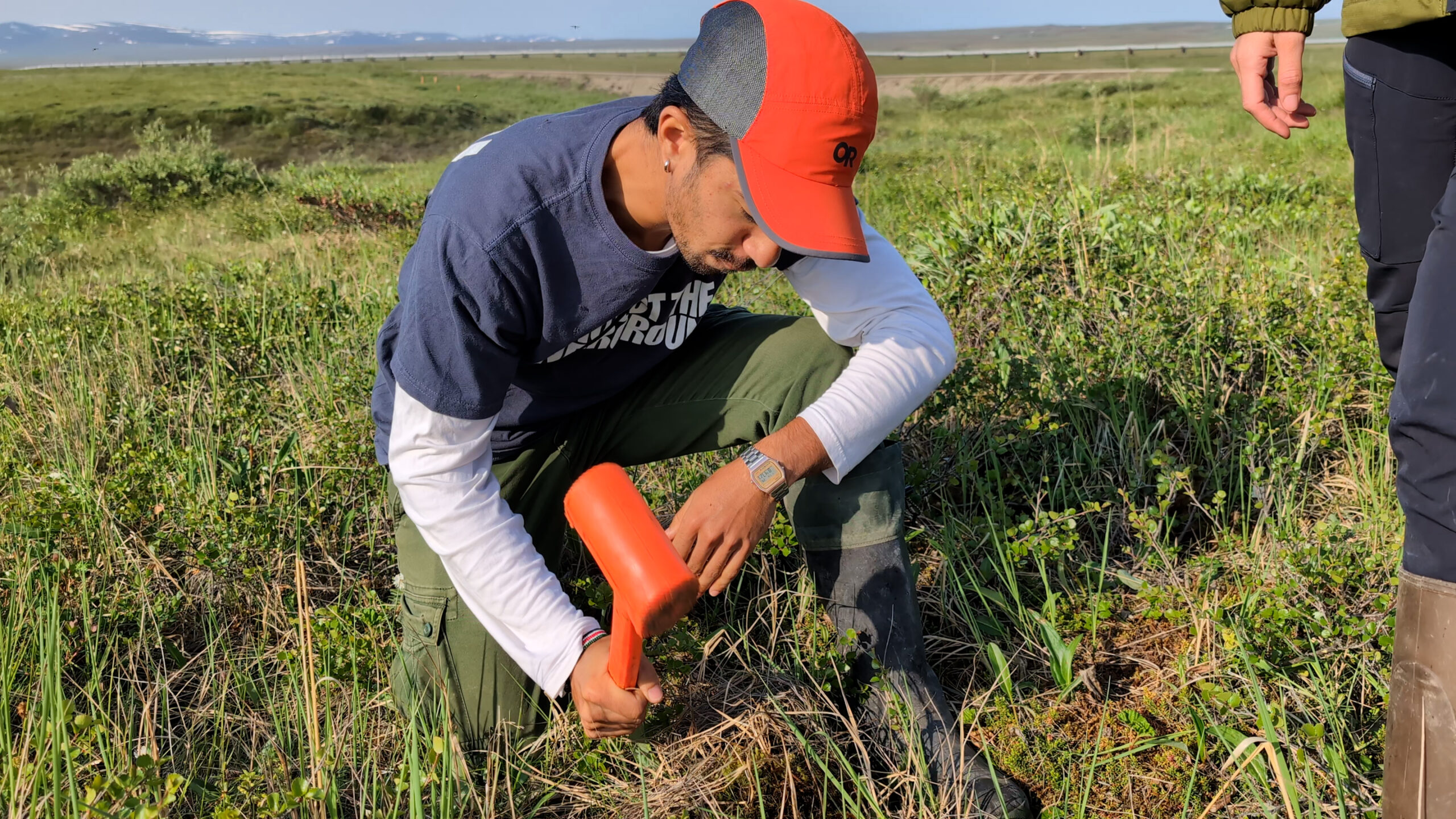
At each sample site, Mario Muscarella, a collaborator and microbiologist at the University of Alaska, Fairbanks, marked the precise GPS coordinates, identified plant species at the surface, and jammed a probe into the earth to measure temperature and moisture. A lab would later analyze each site’s soil nutrients and extract DNA sequences from the samples to search for undiscovered fungal species.
The day carried us 50 more miles south through the North Slope to the Brooks Range. We drove past muskoxen, icy ponds, and fragrant hills traversed by Alaska’s high-pressure crude oil pipeline. At the end of day three, the team reached its 39th site, a sloped meadow overlooking the Kuparuk River — leaving the group 21 sites shy of its target with one day remaining.
The final day began with a stinging cold you’d expect from the tundra: 30 degrees Fahrenheit beneath thick fog. Yet it was June, and summer was well underway. We trudged through calf-deep snowmelt to a drier spot for the team to sample. Heaps of last summer’s grassy sedge lay withered around us. “It’s odorless,” Muscarella said, “but I’m sure that we’re breathing in a ton of methane right now.”
Long-dead plants, animals, and fungi were thawing after a cold winter, making their carbon accessible to microbial decomposers that digest complex organic gunk and belch simpler vapors: carbon dioxide, methane, and nitrous oxide, greenhouse gases all. As climate change tightens its grip over the Arctic, deeper layers of permafrost are activating in this way. Microbes no longer limit their feast to last year’s harvest: They can also liberate carbon that has spent thousands of years in frozen isolation.
Microbial fungi are key to understanding where that carbon is going. After decades of snubbing fungi as parasites or passive tubes, the escalating tally of their functions has led researchers to consider mycorrhizae a missing link in climate studies. In 2023, Van Nuland and Kiers helped estimate how much carbon is stored by fungi annually: 3.93 billion tons by arbuscular and 9.07 billion tons by ectomycorrhizal — a combined value that represents 36% of all carbon dioxide emitted across the planet every year.
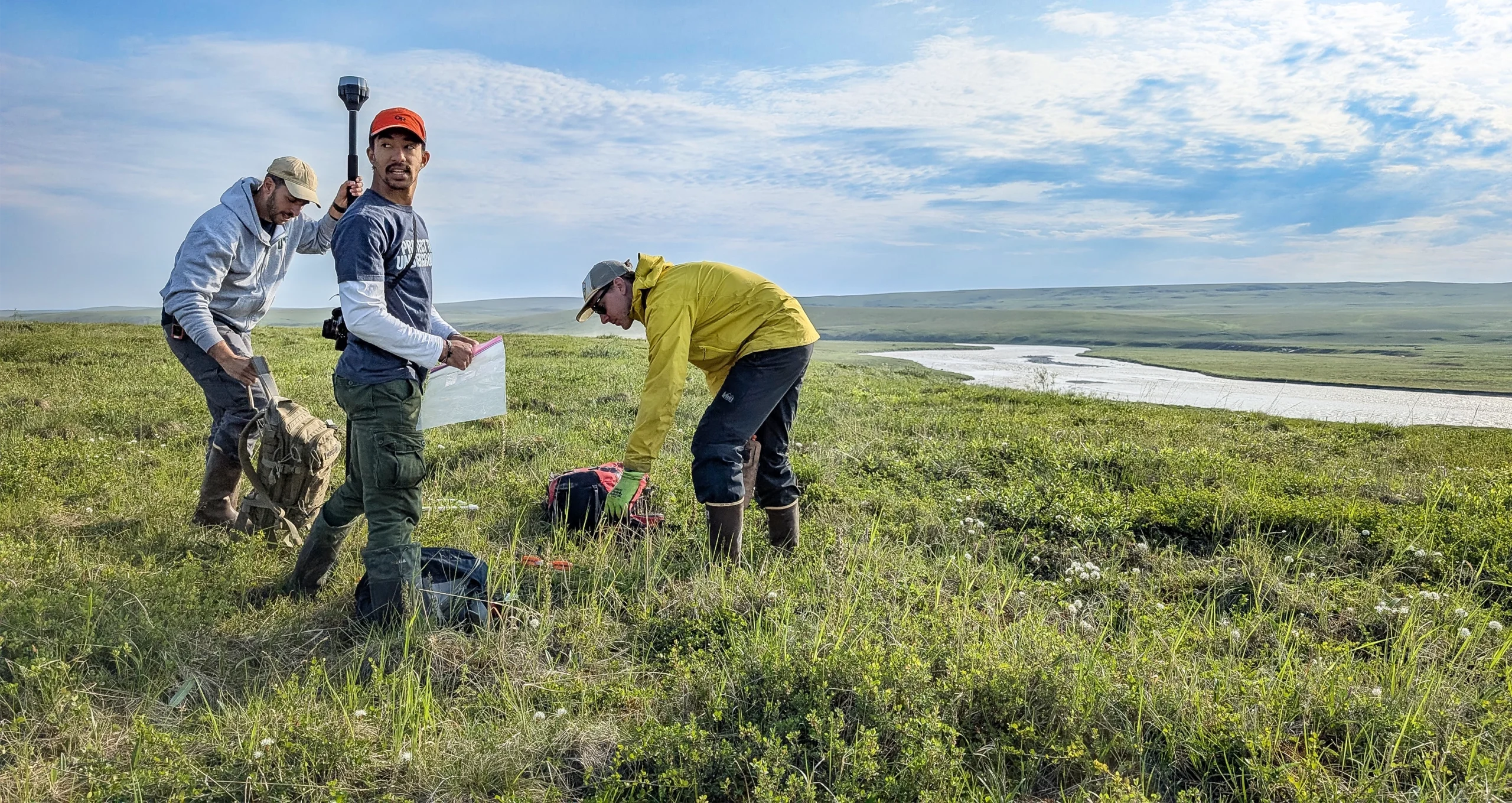
“If we’re going to generate anything like a mycorrhizal species Red List, one of the big components of that is understanding the threats and the population trends of those species,” said Michael Van Nuland (right), referring to the International Union for Conservation of Nature’s global inventory of threatened species.
Max Levy
“It’s the cycle of life and death that creates a really big soil carbon influx,” Van Nuland said. “It’s a living infrastructure and a dying infrastructure.”
But such productivity is complicated. The role of specific fungi within each group is richly varied. Mycologists are finding that some fungal species are excellent decomposers. Among those decomposers, some store dead carbon efficiently while others burp most of it into the air. “The taxonomic identity can really matter,” said Rebecca Hewitt, an ecologist at Amherst College who studies plant-microbe interactions in the Arctic. “Who is there really affects the function.”
In Alaska, it remains an open question which species — the carbon keepers or the carbon leakers — will thrive as the ground warms, and what that means for the global climate. Some fungi will thrive. Others will perish. The “winners” may dictate whether the Arctic becomes a source of planet-warming carbon.
At site 54, as we hiked back to the SUV, Van Nuland reflected on the larger repercussions of this work. He suspects that tundra fungi “have particular traits” that capture carbon more efficiently. “Once we identify the unique mycorrhizal species here, we’ll be able to connect them to the carbon drawdown that we’re estimating for this area,” he said.
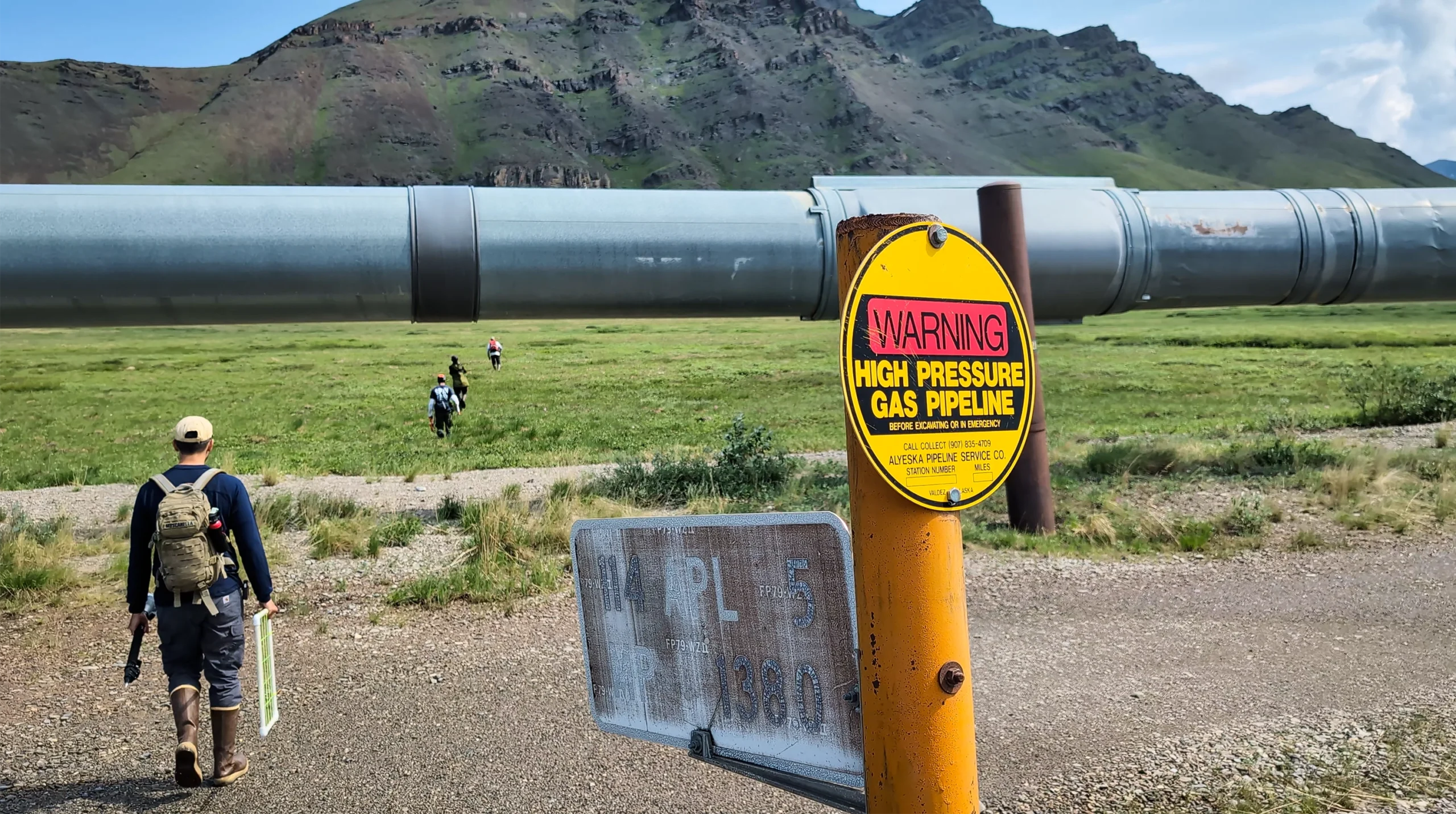
Researchers walk beneath a high-pressure pipeline that carries fossil fuel across the tundra from the Prudhoe Bay oil field. This potential mycorrhizal hot spot is located on land caught in a decades-long tug of war between conservationists and drilling interests.
Max Levy
The team paused for lunch after we pulled over at site 55. Van Nuland offered a cheeky bribe from the driver’s seat: “If we hit 60 [sites], we can go to the store” — the Prudhoe Bay General Store, where the researchers could buy polar bear postcards and “DALTON HIGHWAY SURVIVOR” stickers. They found their second wind.
We approached the upland foothills, climbing toward a wall of 8,000-foot peaks that run east-to-west like a continental collar. Marsh gave way to thicker moss and shaggier shrubs. Any doubts Van Nuland may have had about the potential for rare fungi faded with every mile and site. The Brooks Range and icy coastline of Prudhoe Bay have functionally isolated the tundra’s plant-fungus partnerships from the rest of Alaska.
“We know that big mountain ranges create geographic barriers and therefore lead to isolation and the evolution of unique species, and therefore unique symbiosis partnerships in that place,” he said. “It’s got me thinking, what’s their story going to be?”
A Stake in the Ground
We reached site 60 at 4 p.m. Van Nuland parked in a wide pullout, and we hiked for a few minutes to a west-facing hill blanketed in cottongrass. Each person tackled familiar chores — GPS, plants and soil — and then took turns swinging at the steel tube for the final core.
Sixty sites, at nine cores per site: 540 samples in four days. “I’m proud of the hustle,” Van Nuland said after the last clod of tundra soil entered the last sample bag. “Amazing data is going to come out of this expedition.”
Four months later, in November 2025, Van Nuland emailed me the preliminary results. Each of the sampling sites contained, on average, about 75 different species of ectomycorrhizal fungi. The composition of species shifted strongly from north to south. Of the 354 different species the researchers logged, 253 were previously unknown.
The region appears to be a hot spot for rare, endemic fungi. Roughly three of four species they detected have been found nowhere else. Although some may theoretically exist in unsampled tundra — in a place like Siberia, maybe — Van Nuland suspects that many of the species will prove to be endemic to this region. These plants and fungi have been left to co-evolve, alone but together, for millions of years, wedged between mountain and sea as if on a remote island.
“Seeing it on a map is one thing. But being there really drove home just how unique these ecosystems are,” he said. “There were a lot of unnamed species that we found.”
Losing rare fungi could mean losing the unique role they play, and could further destabilize the ecosystem. “People picture protecting the Amazon rainforest,” Van Nuland said. “But for soil, it’s hard. Where are the Amazons of the soil?”
They may be all over the world. Alaska’s North Slope is just one of the dozens of possible fungal hot spots that SPUN researchers plan to visit. The organization works with researchers across 79 countries. Kiers joins four of five trips per year, often with her children. In Kazakhstan, SPUN wants to learn how fungi help grassland plants withstand drought. On the Palmyra Atoll in the central Pacific, trees and their fungal partners infiltrate coral rubble and compete with invasive coconut palms. In Lesotho in southern Africa, fungi seem to help thwart erosion on agricultural land. “Each place that we’ve gone to has a different story,” Van Nuland said. The biodiversity data from each site can feed back into SPUN’s model to improve the hot spot predictions.
Some sites are worth revisiting. In summer 2026, Van Nuland and his team will return to Deadhorse to measure the flux of carbon in and out of the tundra soil. Ecologists don’t know what thawing permafrost will do for Earth’s carbon balance. But as relentless daylight returns each year, new pools of carbon appear within reach of the soil’s most intrepid hyphae. The scientists yearn to know what mycorrhizae will do with it. The fungi will provide answers to those patient enough to listen.