The Evolving Story of How Chemistry Became Biology
Around 4.6 billion years ago, some 9 billion years after the birth of the universe, a cloud of gas and dust collapsed into the familiar blinding ball in our sky. Scraps of leftover material collided and accreted into the planets of the solar system, including our own. For the next few hundred million years, Earth was a hellish, molten landscape bombarded by meteorites. As it started to cool, water pooled into vast, acidic oceans. The days, half as long as today’s, passed under pink carbon dioxide skies. But life wasn’t around to sense any of it. Until it was.
Around 300 million years into the existence of our solar system, conditions on Earth were right for a great chemical experiment to begin. Molecules entangled themselves in self-sustaining, self-reproducing loops. Over time, these systems became more complex. At some point, they had come to life.
Life invented new ways to move, and to capture, store, and use energy. It began to sense, respond to, and change its environment. It communicated, ate some of its neighbors and lived inside others, and formed complex, dynamic communities. Through cycles of birth, reproduction, and death; catastrophe; and bursts of evolution, it persisted and then thrived, taking over every corner of the planet.
Then, at some point, life gained a sense of itself, a reflective intelligence with the existential curiosity to ask: Where did we come from? For tens of thousands of years, we have pondered and probed the origins of life: Monks have meditated, philosophers have argued, lovers have mused, and parents have patiently answered their kids’ questions.
“Go back in human history, go back to the Neanderthals, go back 30,000 years,” said William Schopf, a paleobiologist at the University of California, Los Angeles, “and one of the things you will see is that human beings have been wrestling with this question.”
By the mid-20th century, it became possible to probe life’s origins through chemistry, molecular biology, and genetics. Hypotheses exploded. Scientists clashed over which type of molecule — RNA, lipids, proteins, and metabolites are prime suspects — could have started it all. The arguments have gone on for so long, without resolution or unifying insight, that some experts have considered the field to be in crisis.
“There’s nothing more exciting for a scientific field than a moment of crisis,” said Betül Kaçar, an astrobiologist and evolutionary biologist at the University of Wisconsin, Madison. “That’s when I think breakthroughs happen.”
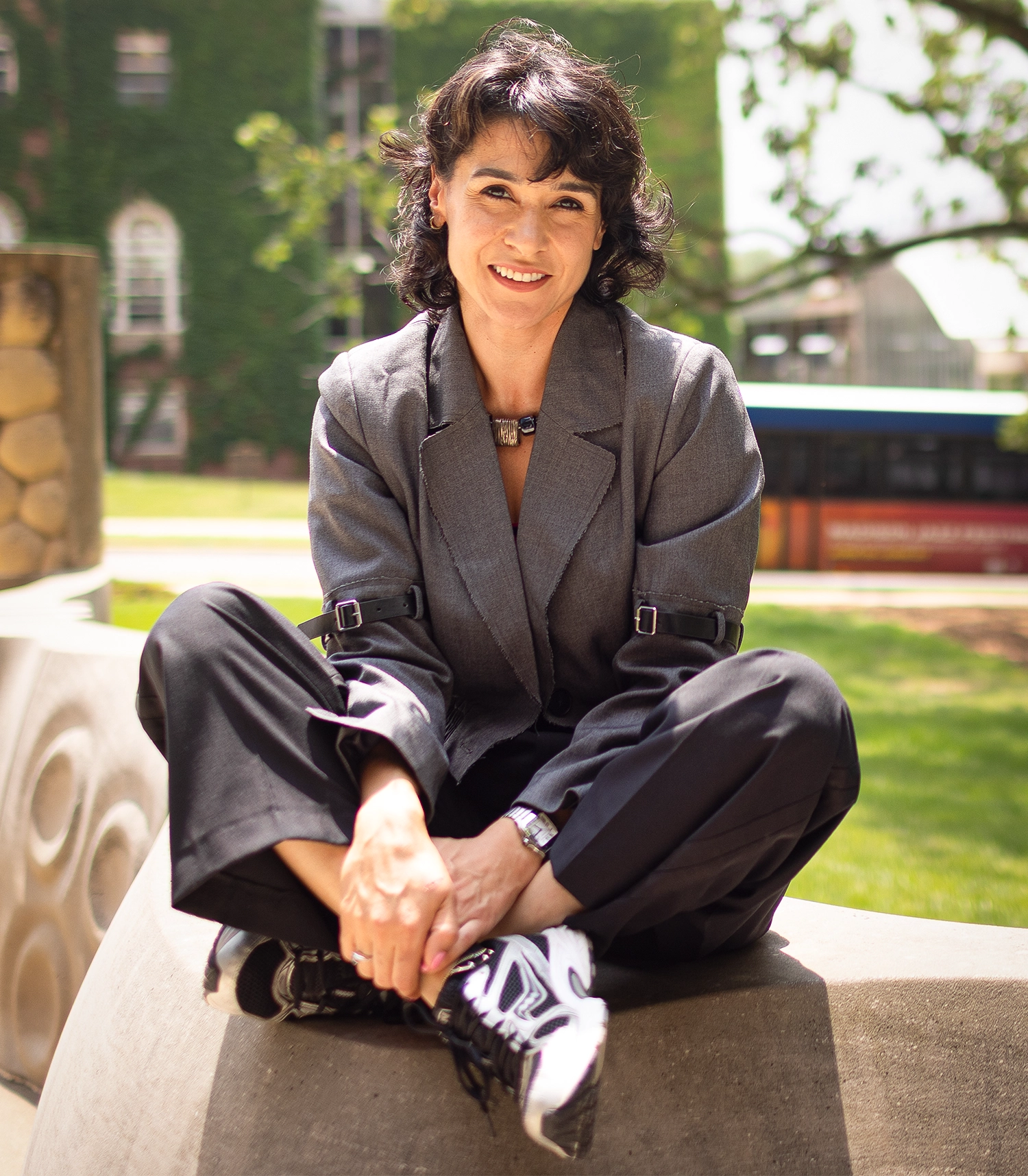
Life’s origins are not purely a chemistry problem. “It’s not a linear reaction. … There’s no single E = mc2 and that’s origin of life’s formula,” said Betül Kaçar, an astrobiologist and evolutionary biologist. “This is biology; it doesn’t follow any rules. That’s what makes it so sophisticated and exciting.”
Sharon Vanorny
A new wave of origins-of-life researchers, fed up with the tradition of bickering, have unshackled themselves from the idea that a single type of molecule started it all. Their open-minded approach has coincided with a change in scientific understanding. Experiments have shown that the precursors to many of life’s ingredients may have formed easily under the conditions on early Earth. What is harder to explain is how these molecular processes became a stable evolutionary system continuous with the vast diversity of life we see on the planet today. During life’s earliest days, these processes came together to store and pass on information, both consistently and imperfectly enough to allow the same living lineage to persist for billions of years on an ever-changing planet.
To study the emergence of lifelike biochemical systems, biologists are now pushing backward into the past from the living world with new genetic tricks, while chemists are pushing forward from the nonliving world with new and strange mixtures of molecules. And by combining tools from chemistry and biology, synthetic biologists are embracing informed speculation and probing novel biological systems that may not have ever existed. Scientists now engaged with the origins of life are asking not just what life is, but what it does — on an archaic world, in a lab dish, or somewhere beyond our atmosphere.
The Origins
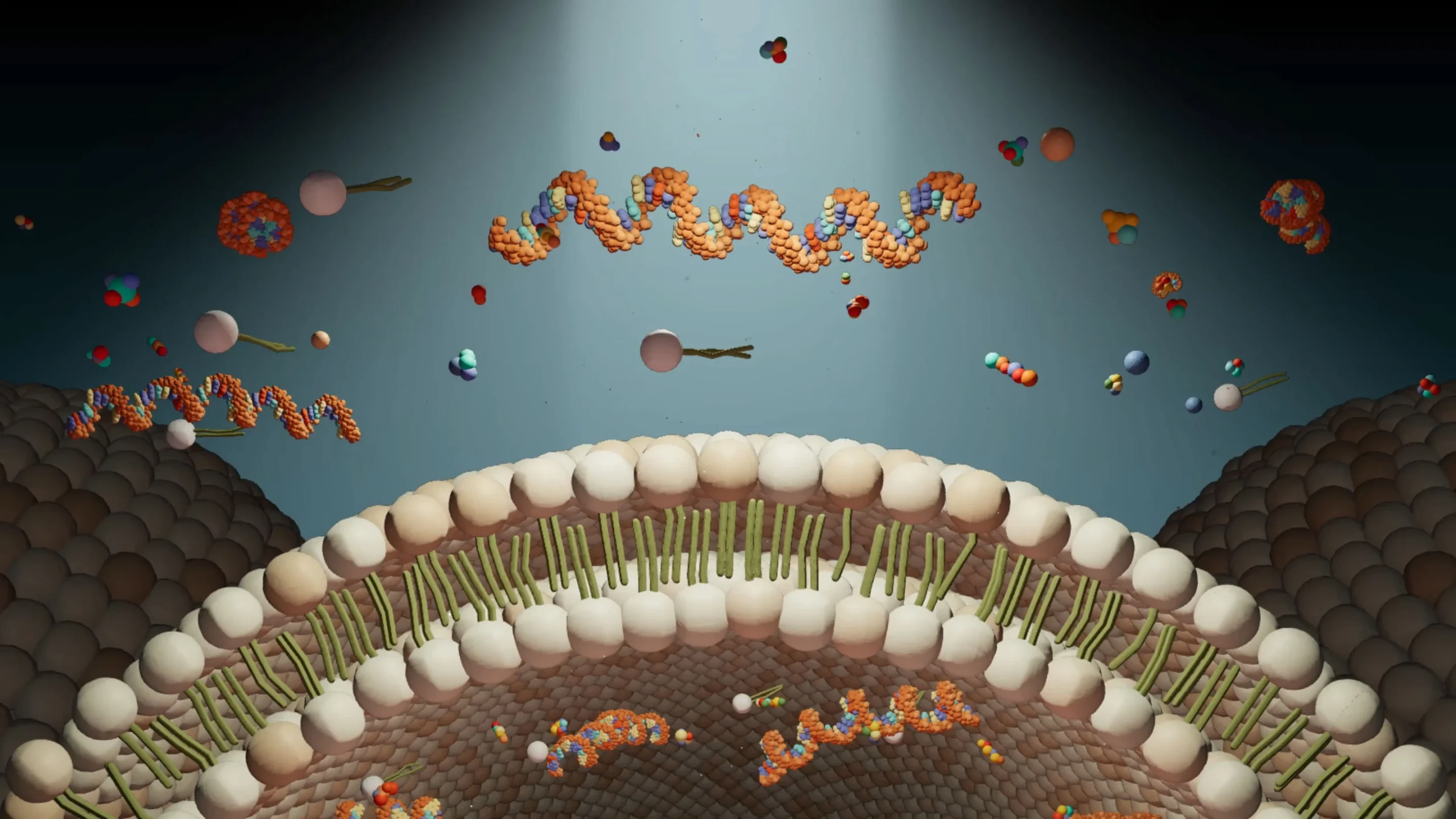
In 1952, Stanley Miller, then a graduate student at the University of Chicago, performed a bold experiment. He was inspired by a lecture given by Harold Urey, the Nobel Prize–winning chemist, on the origins of the solar system. In the 1920s, Alexander Oparin in Russia and J.B.S. Haldane in England had independently hypothesized that life gradually evolved from a “primordial soup” of molecules. Urey proposed an extension of that idea: that Earth’s primitive atmosphere was composed of gases that could, with a little help from an energy source like lightning, produce organic molecules that would rain into the ocean. From there, these molecules would accumulate, concentrate, and eventually start to link together on the way to self-replication.
A year after hearing the lecture, Miller, just 23 at the time, approached Urey with a proposal. A week later, he had scraped together what would become known as the Miller-Urey apparatus: A glass bulb filled with water simulated a primordial ocean, and a second filled with gases (methane, ammonia, water vapor, and hydrogen) approximated a primordial atmosphere. A candle heated the water, and electrodes created sparks in the gas. The “atmosphere” was then run through a condenser that cooled it into liquid “rain” that fell into the “ocean.”
The next day, a dark brown sludge had formed at the bottom of the bulb. It contained five different types of amino acids, the small molecules that link up to form proteins, the workhorses of cells. Miller had shown that life’s building blocks could form in the conditions of early Earth, as they were understood at the time.
“It was paradigm-shifting,” said Ramanarayanan Krishnamurthy, an organic chemist at Scripps Research. “It really changed the field and gave rise to what we call prebiotic chemistry.”
“This is the first experiment in the field showing that these deep questions on the origins of life were not only the realm of metaphysics, philosophy, and religion,” said Christophe Danelon, a synthetic biologist at the Toulouse Biotechnology Institute in France.
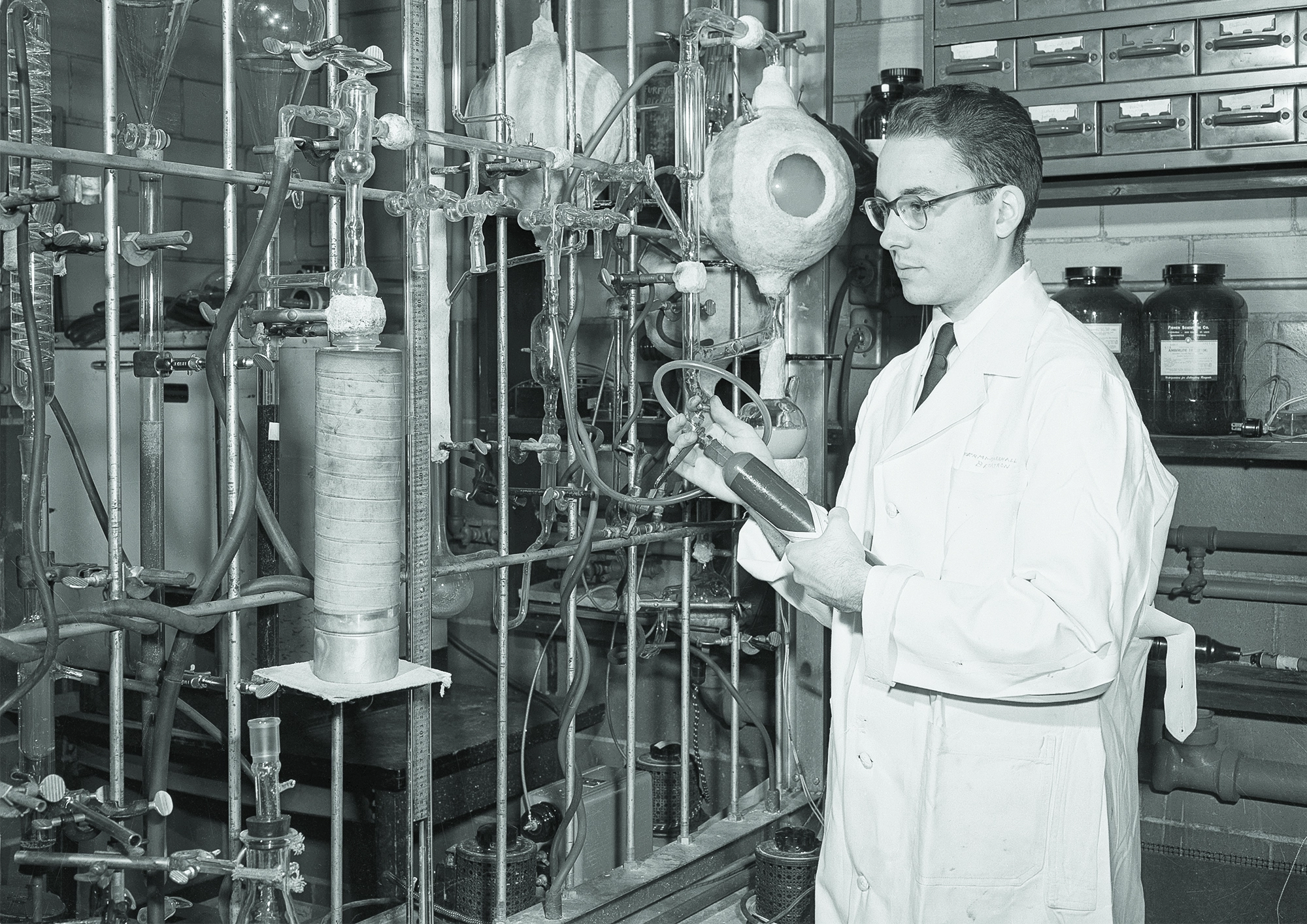
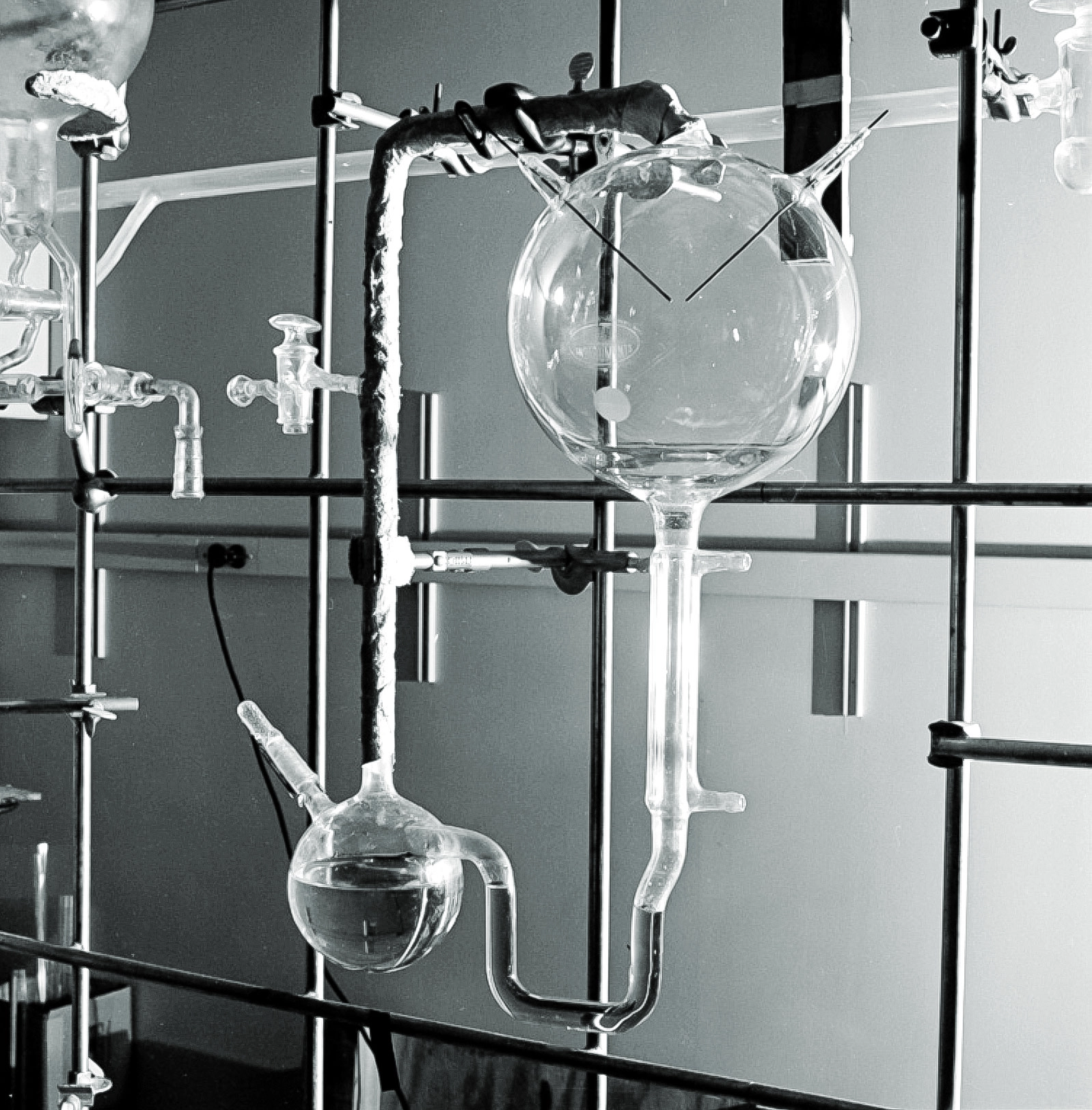
In the early 1950s, Stanley Miller (top) performed a foundational experiment in the study of the origins of life. By simulating an early Earth environment inside a glass apparatus (bottom), he was able to form the precursors of amino acids.
Bettmann/Getty Images; Stanley Miller
In the early 1950s, Stanley Miller (left) performed a foundational experiment in the study of the origins of life. By simulating an early Earth environment inside a glass apparatus (right), he was able to form amino acids.
Bettmann/Getty Images; Stanley Miller
At first, life’s origin was largely considered a chemistry problem. But biology soon played the role of muse. In 1953, just a few weeks before Miller published his famous experiment, the biologists Francis Crick and James Watson published the helical structure of DNA.
The realization that DNA was central to all life suggested that genetic molecules were probably critical to life’s origin, too. The field shifted to explaining genetics, said David Baum, an evolutionary biologist at the University of Wisconsin, Madison. “We became so obsessed.”
The molecular biology revolution further clarified the most fundamental characteristics of cells: a genome to store information, a metabolism to provide energy, and a compartment to hold it all together. The materials of life became the field’s focus; if they just found the right starting molecule, the thinking went, everything else, including self-replication and evolution, would swiftly follow.
This period also marked the beginning of the dustups that would characterize the field for decades.
“The first thing that people then chose to do was to pick one of life’s molecules and assume that was the progenitor, the kind of ‘first molecule,’ and all of the others could temporarily be ignored,” said Matthew Powner, a chemist at University College London. “The absolute classic version of this was the RNA-world theory.”
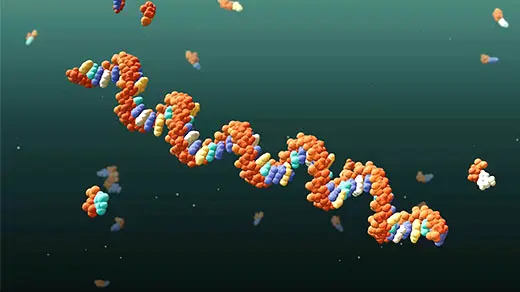
The RNA-world theory, the most popular and well-studied theory of life’s origin, came together following a critical discovery. RNA is a single molecular strand that copies genetic information from DNA’s double strands, which the cell then reads and translates into proteins using complex, highly evolved enzyme molecules. In the 1980s, the scientists Thomas Cech and Sidney Altman independently discovered that some RNA molecules also act as enzymes that catalyze, or activate, biochemical reactions; this research won them a Nobel Prize. RNA therefore offered a tantalizing solution to how early life could have both stored information and replicated itself without the enzymes it uses today: RNA could, in theory, do it all.
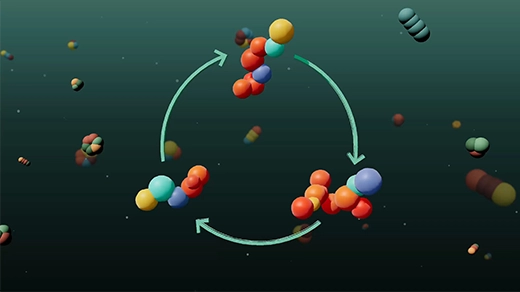
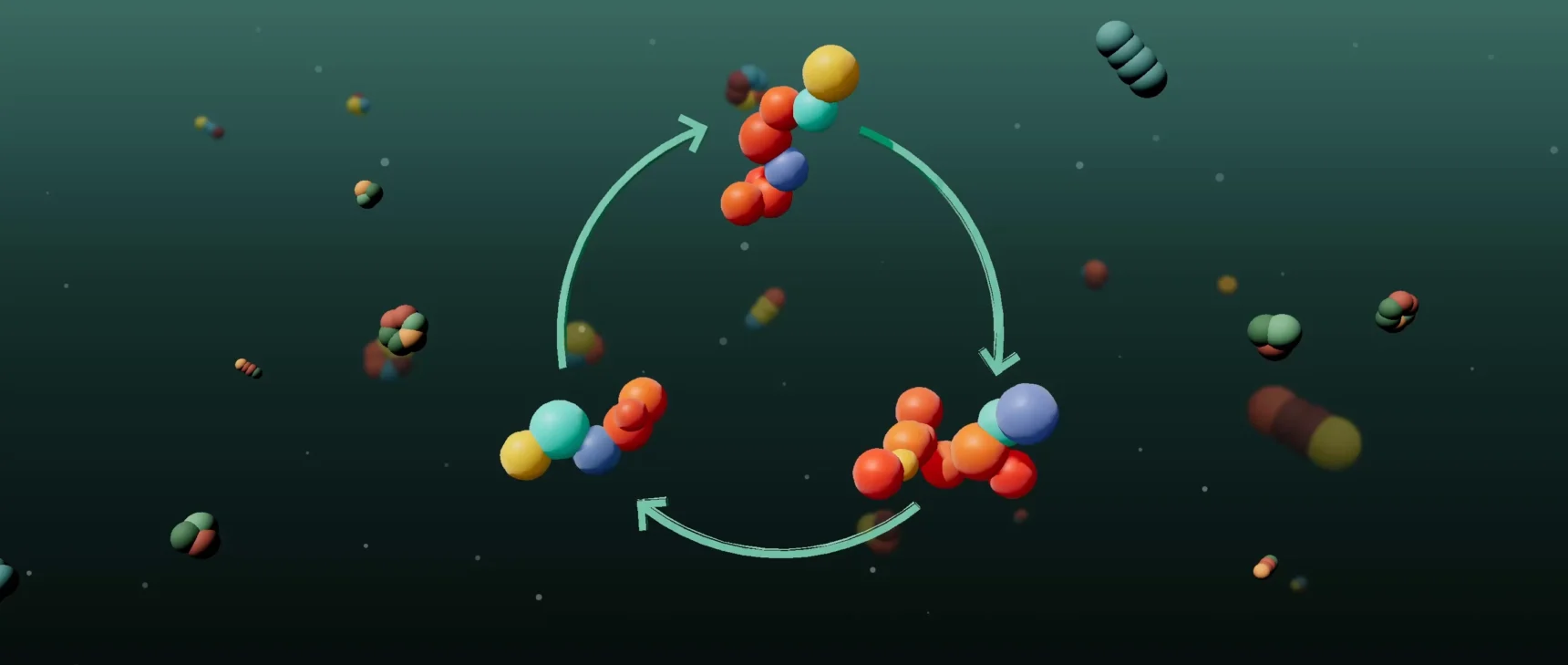
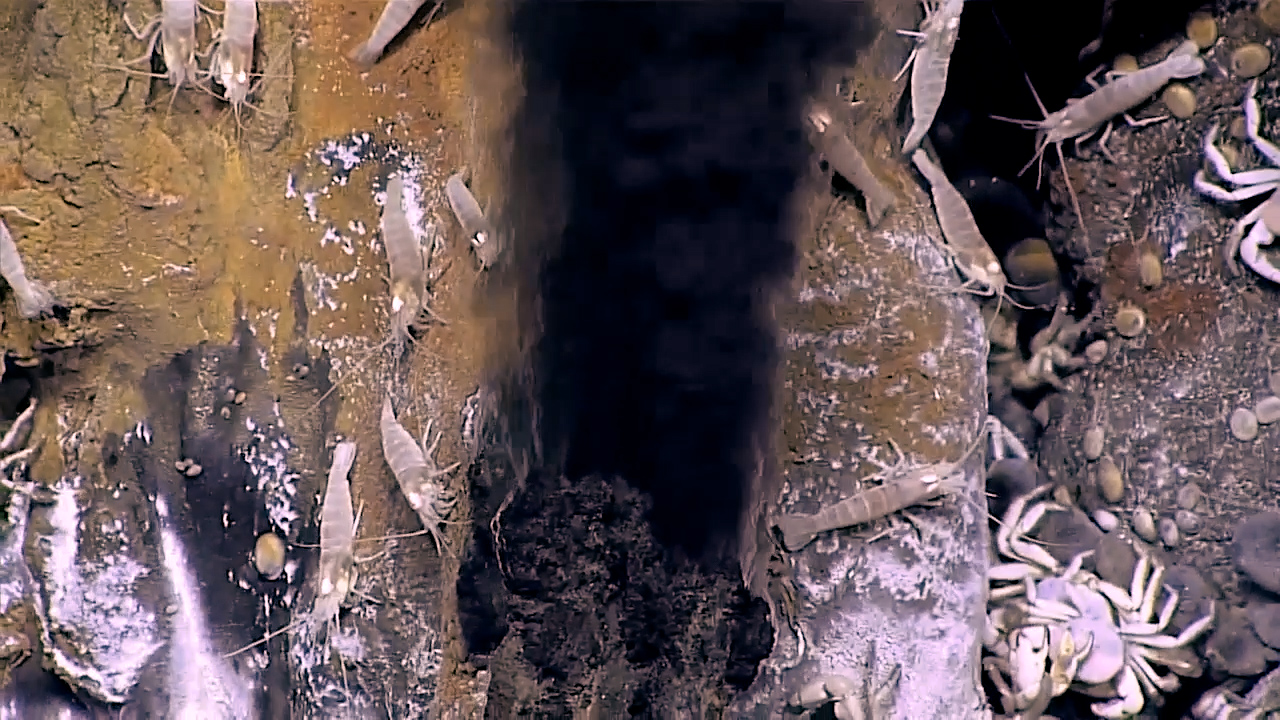
The RNA-first theory wasn’t the only option that emerged. In the 1970s, the discovery of hydrothermal vents in the Pacific, along with the strange creatures that call them home, roused the field once more. In 1988, Günter Wächtershäuser, a German patent lawyer with a doctorate in chemistry, proposed an “iron-sulfur” world, suggesting that iron-sulfide minerals that collect near hydrothermal vents could have kick-started primitive versions of metabolism. Around the same time, the complexity theorist Stuart Kauffman, now an emeritus professor of biochemistry at the University of Pennsylvania, popularized theories on “autocatalytic sets,” molecular chain reactions in which one molecule catalyzes the next, which catalyzes the next, and so on in a circular process. These ideas fueled the theory of a metabolism-first world, which proposes that life arose as self-sustaining networks of molecules interacting and indefinitely making more of each other. In this world, the storage of genetic information would come later.
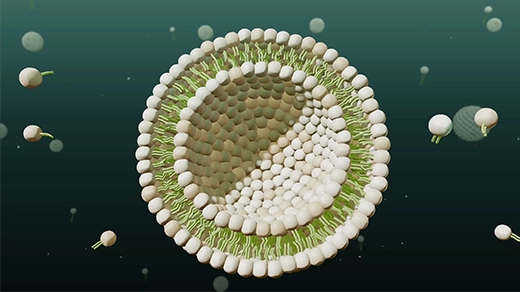
Though the RNA world and metabolism-first world were often pitted against each other, there were other contenders. There was also a lipid world, in which the molecules that form cell membranes and contain cellular chemistry came first. There was a protein or peptide world, a virus world, a coenzyme world, a zinc world, and even a clay world. “You can find any world you ever imagined predicated on whatever your background was when you joined this field,” Powner said.
The scientists also debated where life started. Did it evolve in “warm little ponds,” as Darwin proposed more than a century ago, or in the oceans, in patches of ice at the poles, or at hydrothermal vents? Some molecular theories were coupled to specific environments, while others could have started in many places. Each approach had its staunch supporters.
“These were often presented as complete hypotheses that could explain the origin of life to the exclusion of the others,” said Aaron Goldman, an evolutionary biologist at Oberlin College.
And that meant that only one hypothesis could be right.
The Crisis
Throughout the early 2000s, conferences that focused on the origins of life were like arenas. Researchers argued in public, talked over one another, and even got into shouting matches. “It was unbelievable bickering,” said Michael Travisano, an evolutionary biologist at the University of Minnesota.
“There used to be open fights,” Krishnamurthy said.
Some professors forbade their students to discuss ideas with other labs. They even dissed each other in the press. In 1992, Discover magazine reported that Miller, a prebiotic-soup proponent, didn’t want to even discuss the vent hypothesis and thought of it as “a real loser.”
Science is no stranger to arguments, but the rifts in the origins field went particularly deep. That was due in part to its multidisciplinary nature. Origins-of-life researchers are chemists, biologists, geologists, physicists, and everything in between. They receive different types of training, use different definitions, and subscribe to different worldviews.
“Arguments were difficult to resolve because everybody was making a good point,” said John Sutherland, an organic chemist at the MRC Laboratory of Molecular Biology in the United Kingdom. “Yes, you do need RNA. Yes, you do need peptides. Yes, you do need metabolites.”
Plus, absent a time machine, there is no way to prove or falsify any hypothesis. Scientists have minimal direct evidence. “You can hold on to your theory forever, and nobody will ever really be able to say you are absolutely wrong,” said Elisa Biondi, a geneticist at the Foundation for Applied Molecular Evolution.
Experiments were little help, as efforts to create something resembling life from a single kind of molecule were not fruitful. Researchers haven’t been able to get an RNA molecule to self-replicate, nor have they compelled an autocatalytic metabolic network to sustain itself, grow, and pass down information. The proposed locations — hydrothermal vents, shallow pools, ice caps — also couldn’t support on their own the chemistry that seemed necessary to get life going.
“When people first started studying the origin of life, the perspective was we just need the really good idea that will solve [it],” Goldman said. “That way of pursuing the question turned out to not work.”
Decades of evidence from experiments further challenged the idea that a single molecule or environment could have kick-started life on its own. Prebiotic chemistry experiments not only yielded scores of amino acids, but also created sugars, nucleobases, and fatty acids — the building blocks of proteins, RNA, DNA, and lipids — and their precursors. And detailed analysis of samples that arrived on Earth from space uncovered an array of organic materials. Meteorites such as Murchison, which fell in Australia in 1969, and Murray, which exploded over Kentucky in 1950, carried a diversity of amino acids and some nucleobases.
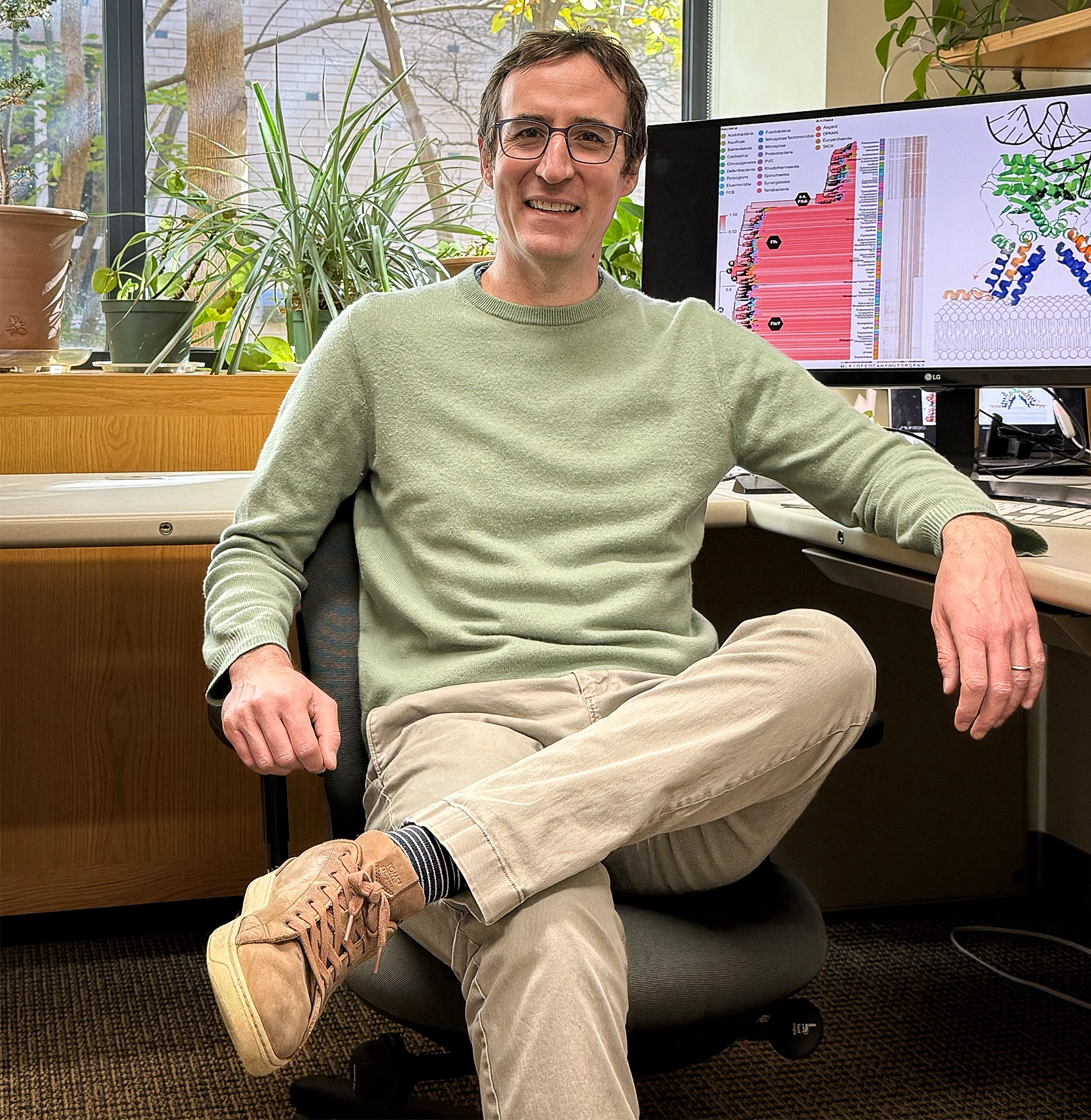
How life began is a “difficult question that is just on the edge of scientifically tractable,” said Aaron Goldman, an evolutionary biologist. “Saying we’re going to solve it is kind of like saying we’re going to solve medicine.”
Sara Verosky
By the early 2010s, it was becoming clearer that the creation of life’s starting materials wasn’t that difficult. “It struck me,” Sutherland said, “that maybe where [we’re] wrong is this assumption that you couldn’t have chemistry that makes everything.”
This revelation shifted the field’s focus from identifying the singular molecule or process that started life to understanding how a more general prebiotic chemistry could have formed — a true primordial, biochemical soup. The individual worlds expanded to include the possibility of multiple types of molecules. However, only a subset would go on to be preserved as the building blocks of biology.
The thinking used to be “How do we make anything?” said Cole Mathis, an astrobiologist at Arizona State University. Now, it’s “How do we not make everything?”
The process of generating many types of biomolecules in sufficient volumes could have been iterative and long, spanning perhaps hundreds of thousands or even millions of years. These materials would have had to accumulate in a contained area, whether that was a pond, a shallow sea, a vent, or all of the above, and not be washed away or otherwise degraded by time.
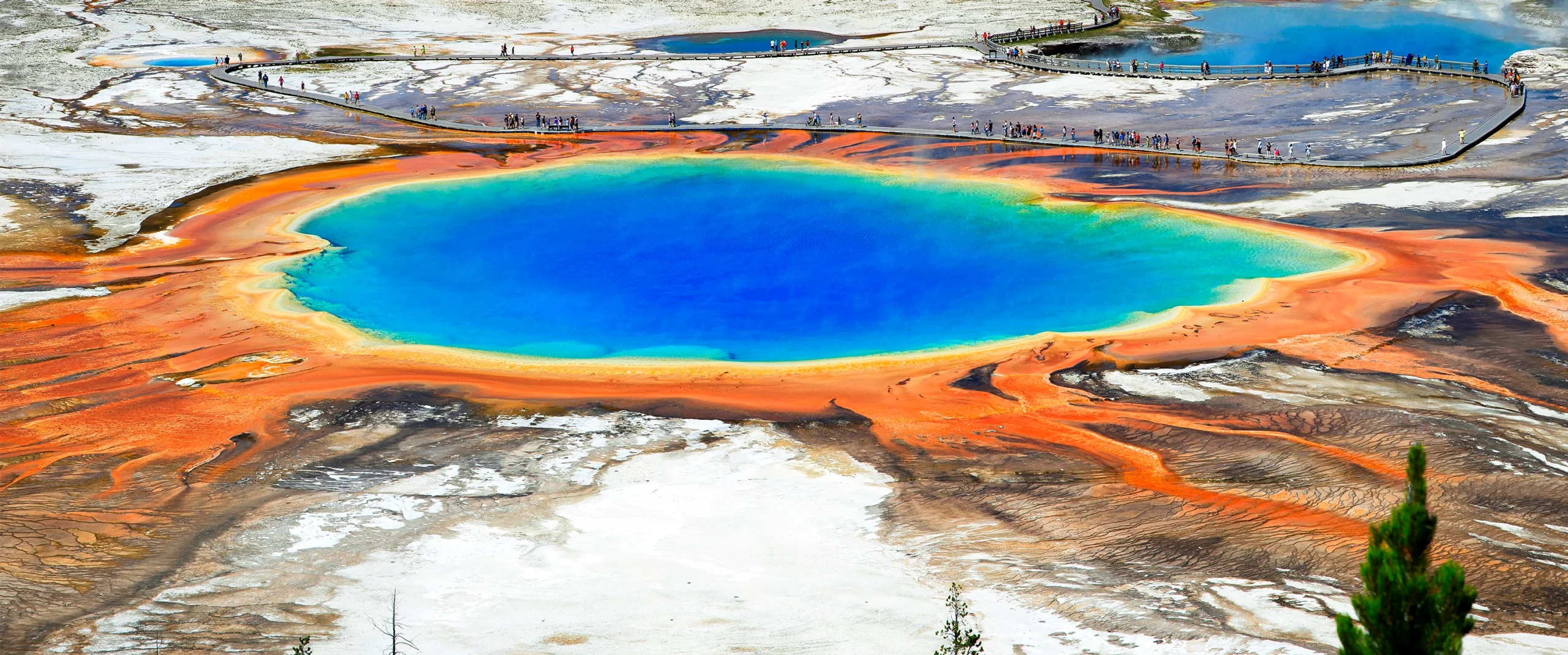
Scientists have proposed energetic, mineral-rich hot springs, such as the Grand Prismatic Spring in Yellowstone National Park, as environments where life may have begun.
Ted Kinsman/Science Source
Building up that initial molecular pool is “what could be really, really hard, really rare” in the universe, said Jack Szostak, a Nobel Prize–winning origins-of-life researcher at the University of Chicago. “Going from environment to environment, from reservoir to reservoir, to actually an environment where protocells can form … maybe that’s just astronomically rare.”
If an initial, diverse molecular pool was the most important condition, then fighting over separate worlds is a waste of breath. Many researchers today, especially early- and mid-career researchers frustrated by the infighting, are eager for new, better ideas. They’re meeting up at formal and informal workshops and meetings to build bridges between different fields pursuing the same questions instead of letting disciplinary differences calcify into battle lines. “We are now at a point where we realize, well, maybe it’s not that my world is better than your world, but they have to coexist,” Kaçar said.
The general attitude among these mostly younger folks is “if you don’t do it, we’ll do it,” said Joana Xavier, who in 2020 as a postdoc co-founded the Origin of Life Early-Career Network with Mathis. She is currently meditating on her time in the field at a Buddhist monastery in southern France.
Compared to their scientific predecessors, this group of researchers is “less imperialistic about our specific science,” said Ludo Schoenmakers, a postdoc in philosophy of science at KU Leuven in Belgium. “I guess we don’t think that it automatically ranges over all of reality.”
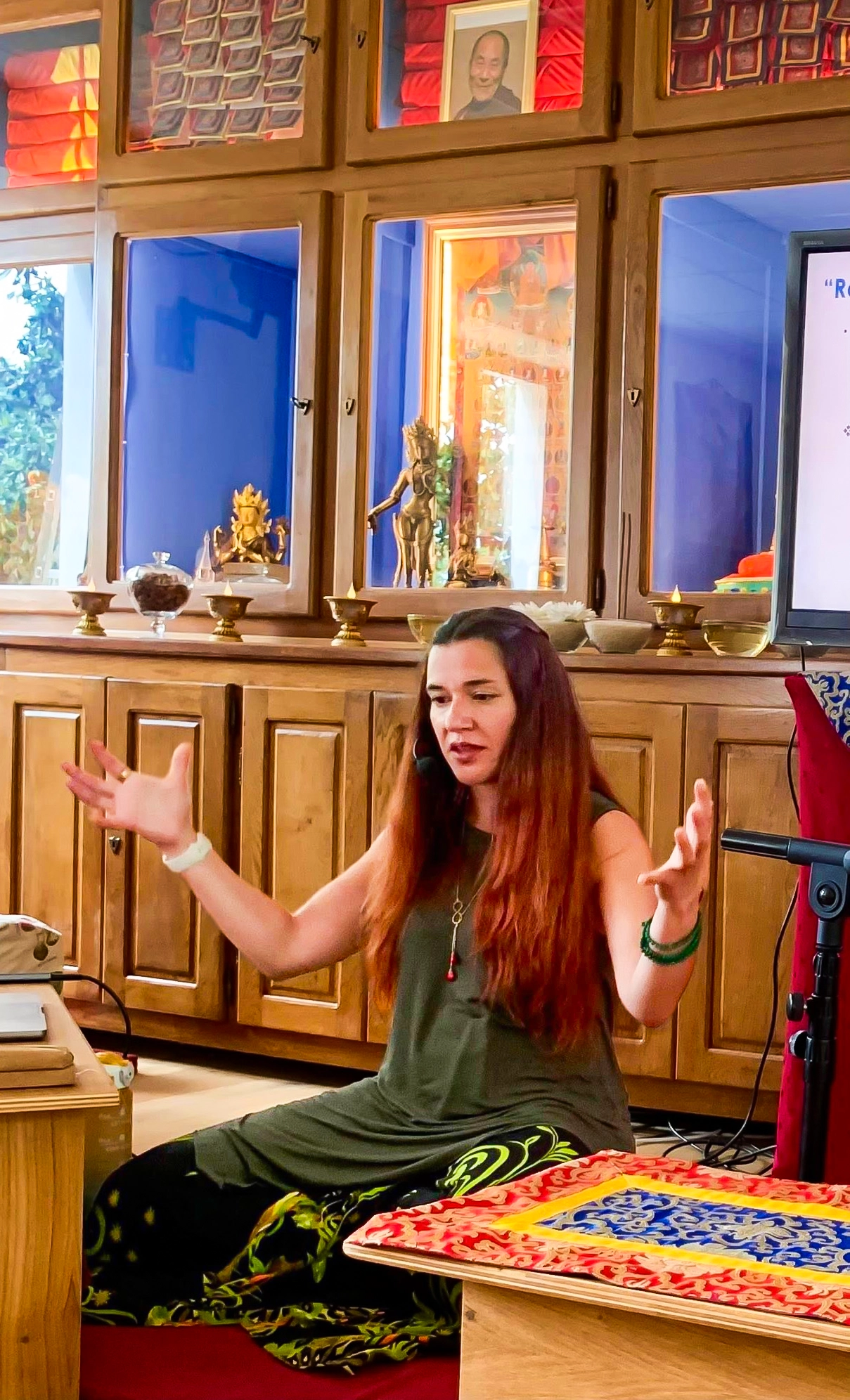
Joana Xavier sits at the Nalanda Monastery in France. When she’s not meditating, the researcher on hiatus is writing the story of the origins of life. “My issue is, I keep navigating between extremely complex mathematical stuff and almost poetry,” she said.
Nalanda Monastery, France
This moment in research into the origins of life is intellectually diverse and open to new possibilities. Researchers are eager to think beyond single molecules or settings and instead investigate complex networks and systems made of many molecules. They’re thinking about how evolution could have emerged from this mess. And many have stopped thinking that it had to be some singular occurrence. Hydrothermal vents or warm ponds? “Why not both?” said Joanna Masel, an evolutionary biologist at the University of Arizona. “I believe that there were multiple origins of life.”
When life takes hold, a system of interacting molecules “frees itself from where it was born,” Krishnamurthy said. Origins researchers have done the same. The field is finding new ways to ask and answer parts of the vast question by collaborating across disciplines. They are turning to bold new experiments and creative ideas that expand our understanding of what life is and what it could be.
As the biochemist Gerald Joyce, the president of the Salk Institute who led research into the RNA world, put it: “Let a thousand flowers bloom.”
The Progenitor
One way to approach how life started is to think like the chemists: Start with nonliving molecules and bring them to life. Another way is to think like an evolutionary biologist: Trace life backward to its most ancient root, and perhaps beyond.
If you were to take everything that’s alive today — from blooming flowers and trees to humans and dogs to single cells encrusting a hydrothermal vent — and trace every lineage back through billions of years, you’d eventually reach a single point. This cell, from which all life known to us has descended, is the root of the tree of life.
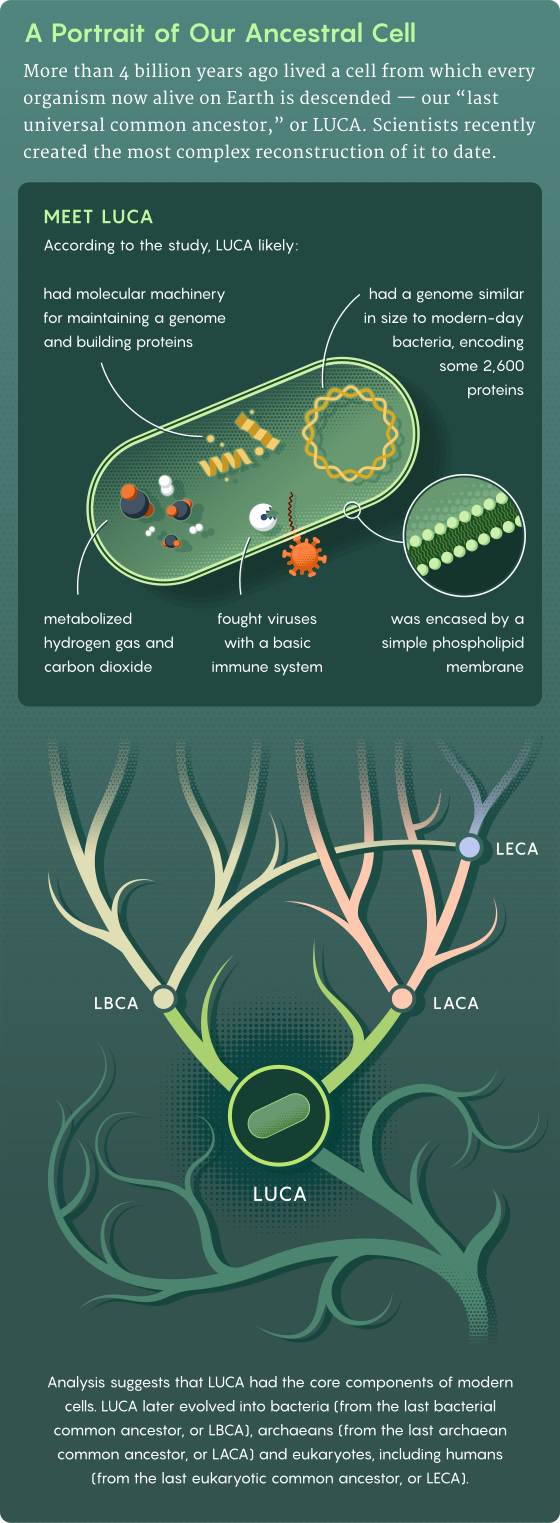
In the 1990s, this cell (or, more accurately, this population of cells) got a name: the “last universal common ancestor,” or LUCA. Biologists debated who or what LUCA was: whether it resembled a modern cell or was something simpler. LUCA left no fossils — the oldest uncontested ancient fossils date to around 3.5 billion years ago — but it has left a different material record from billions of years ago.
“There are only two records of past life,” said Greg Fournier, an evolutionary biologist at the Massachusetts Institute of Technology. One is dead remains of ancient organisms fossilized in the rock record. The second, he said, is “the record within genomes … traces that have been passed down from the first cells to all life or almost all life alive today.”
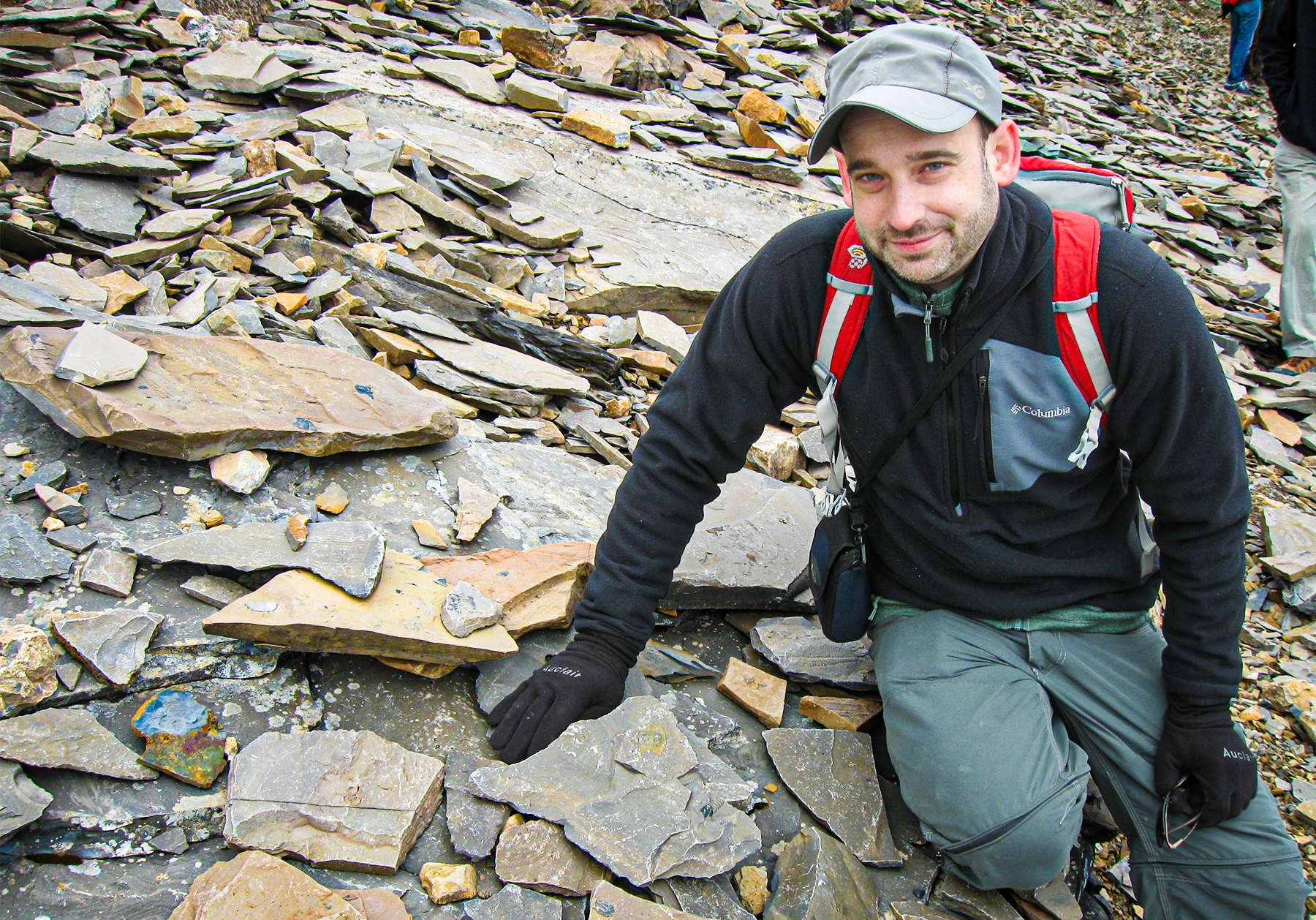
“We’re trying to understand meaningful, important things about our place in the universe,” said Greg Fournier, an evolutionary biologist. “It’s equivalent to trying to find the Higgs boson, or trying to come up with a theory of quantum gravity, or trying to understand the Big Bang.”
Courtesy of Greg Fournier
By the early 2000s, the genomic era was in full swing, and over the following decades sequencing technologies got better and faster. Today, “we can sequence entire genomes containing thousands of genes in under an hour,” Fournier said. Complete genomes of species from across the tree of life started piling up. By comparing them, the biologists who build trees of life, known as phylogeneticists, could map out their evolutionary relationships.
The logic of building phylogenetic trees is straightforward: Compare the genomes of distantly related species— say, a bacterium and a human — to reveal potentially shared genes that may have evolved before those lineages split. To tell LUCA’s story, researchers identify the most ancient genes that are found in all modern living things.
LUCA’s story is regularly rewritten and refined based on new genetic clues as well as advances in scientific understanding. For example, bacteria often pass genes to their neighbors, or across bacterial species, in an evolutionary process known as horizontal gene transfer. Once biologists realized that these signals can wrongly suggest that certain genes have a shared evolutionary history, they had to find better ways to interpret their vast dataset. The computational techniques to do so finally arrived in the last decade. In 2024, a research group led by Phil Donoghue at the University of Bristol used some of these techniques in novel ways to paint the richest picture of LUCA yet.
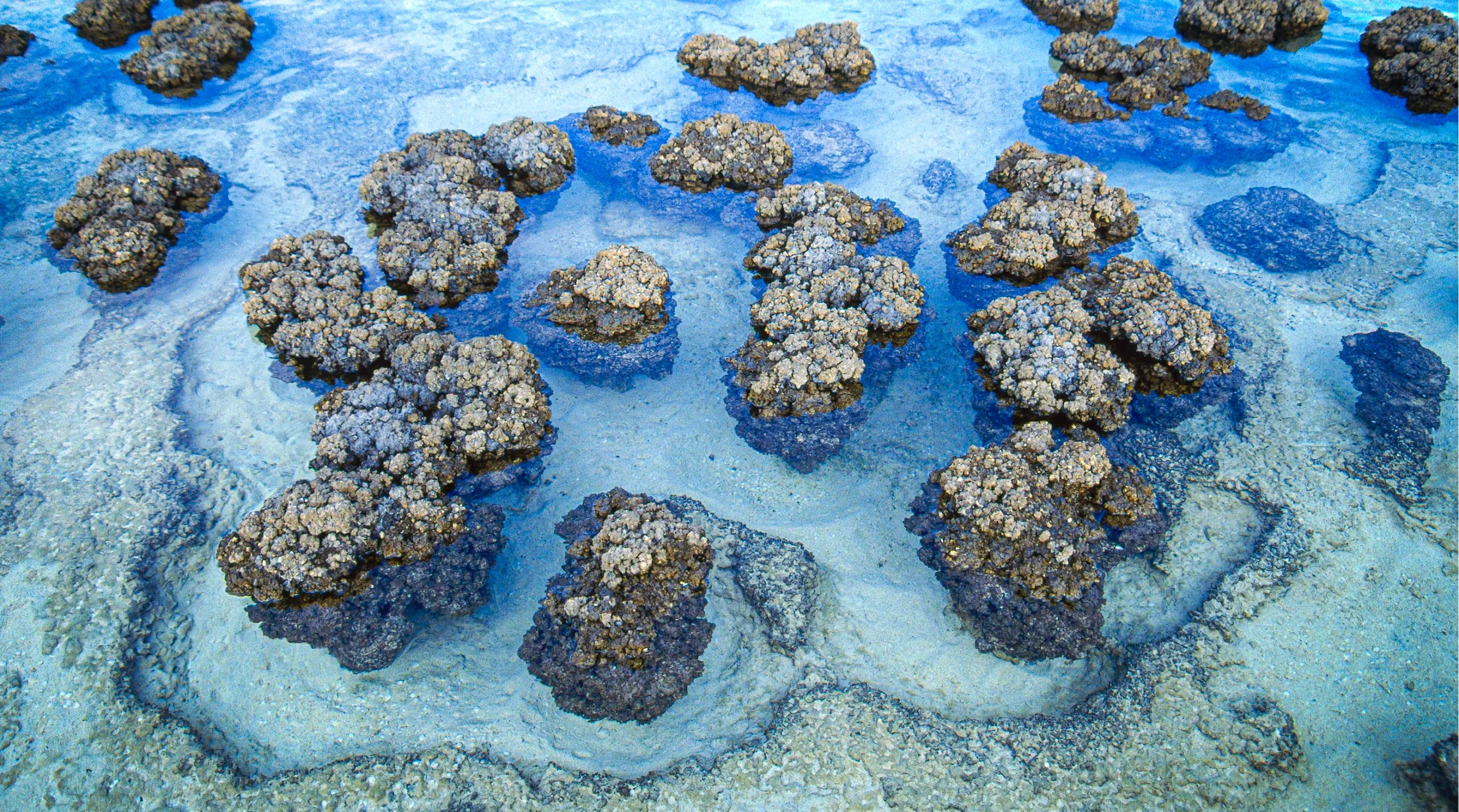
These boulderlike stromatolites from Shark Bay, Australia, are layered structures built by microorganisms. Not far away, in Pilbara in western Australia, are fossil stromatolites dating back to 3.48 billion years ago — some of the oldest fossils known on the planet.
B.G. Thomson/Science Source
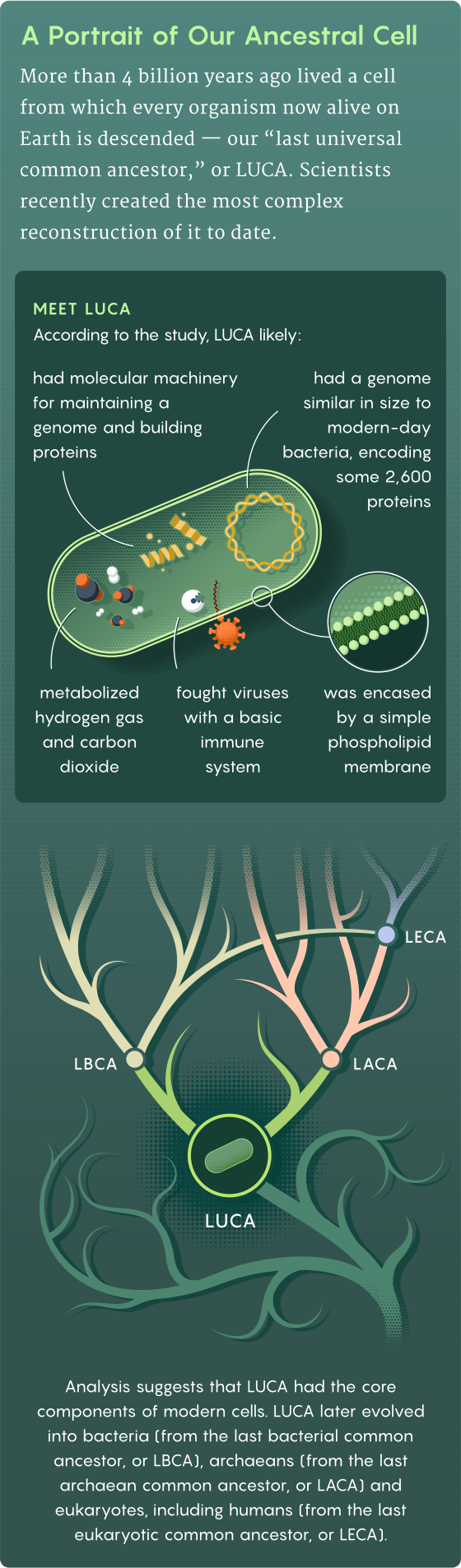
They reported that LUCA likely operated with around 2,600 proteins encoded by a genome comparable in size to those in modern-day bacteria. Those genes and proteins suggested that LUCA had a basic metabolism, a functional cell membrane, and even a primitive immune system for fighting viruses. It had all the basic equipment for making energy, replicating DNA, and producing proteins. Altogether, the analysis painted a picture of an already complex organism.
“LUCA was a fully flesh, swimming, eating, reproducing, messy cell,” Kaçar said. And wherever it lived, it likely didn’t live alone.
Donoghue’s team found that LUCA had a metabolic pathway that is nearly identical to one found in modern microbes, known as the Wood-Ljungdahl pathway. Intriguingly, this metabolic pathway is related to another metabolic process, acetogenesis, that cannot work on its own but relies on the processes of other cells: LUCA’s neighbors. This makes it very likely that LUCA was part of a larger community or ecosystem containing multiple types of early cells.
Donoghue’s team also estimated an age for LUCA’s lineage: 4.2 billion years old. Given that the planet is thought to have cooled enough to become habitable around 4.4 billion years ago, LUCA’s community must have evolved in the blink of an evolutionary eye. “Life gets going pretty fast when the conditions are favorable,” Masel said.
Mark Belan/Quanta Magazine
If LUCA was already a complex population and included many types of cells, then a meaningful portion of life’s early evolutionary history must have occurred well before it lived. By then, the available molecular and cellular diversity must have gone far beyond the basic rudiments of life; it was enough for evolutionary processes to have selected for complex molecular machines and systems.
This revelation has compelled some biologists, who by definition study life forms that evolved after LUCA, to shift their target to the life forms, quasi-life forms, and lifelike processes that may have existed before LUCA. They’re using new tools to push beyond the material record’s limits to predict how this cellular ecosystem might have evolved in the prebiotic soup.
“What was happening before LUCA really is the most exciting window to look at,” said Klára Hlouchová, a synthetic biologist at Charles University in Prague. It’s also “the hardest one to pin down.” To do that, researchers are getting imaginative about the chemistries that could have emerged in this early window and rapidly led to evolutionary innovations.
The Possibilities
Among the genes that we believe comprised LUCA are some that clearly have a more ancient origin. These genes are so old that nearly all genomes across the tree of life have not only one copy of them, but two. This points to an evolutionary event — a DNA duplication — that occurred well before LUCA evolved. Such genes can take biologists further back and closer to life’s origins.
“They’re a way to look at what life was like even before the earliest organism,” Goldman said. The protein products made by these doubled genes are involved in a modern cell’s most fundamental processes, such as making proteins, transporting molecules across a membrane, and metabolizing molecules into energy.
Goldman is particularly interested in the latter two. Most life on Earth uses a series of molecular pumps, known as an electron transport chain, to generate energy to power cells. By tracing back the phylogenies of the molecules involved in modern electron transport chains, Goldman proposes what prebiotic, pre-LUCA versions of these molecules might have looked like.
Then Laurie Barge, an astrobiologist at NASA’s Jet Propulsion Laboratory, tests how these plausibly ancient molecules might have behaved in prebiotic environments. Goldman, an evolutionary biologist, met Barge in 2009 at an astrobiology conference for graduate students in Seattle. “We met and became friends there, and we’re in totally different fields,” Barge said. “We had nothing in common … and we grew up together.” Now they collaborate to bring evolutionary biology and prebiotic chemistry together.
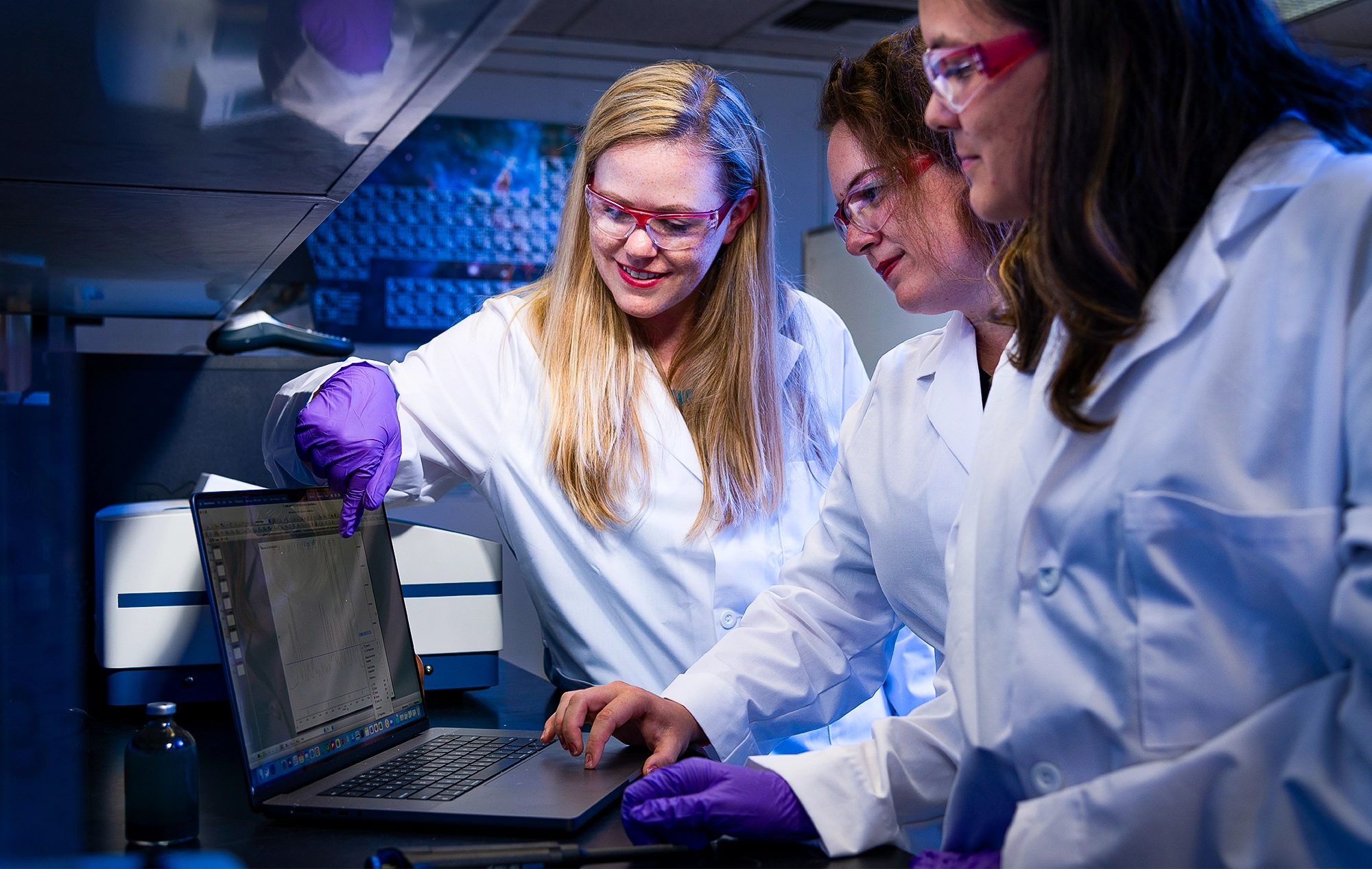
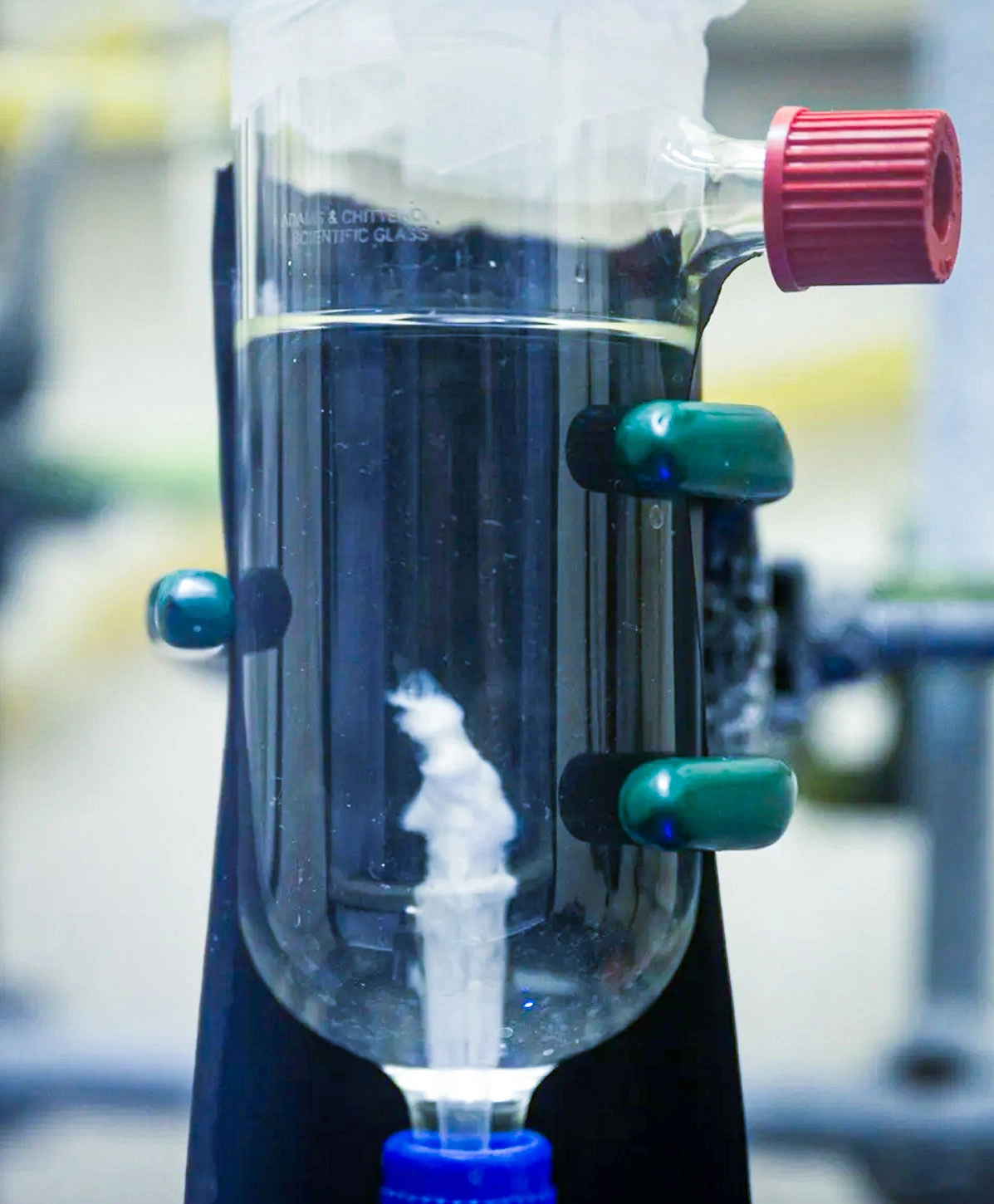
Laurie Barge, Jessica Weber, and Laura Rodriguez (left to right) analyze data from their prebiotic chemistry experiments at NASA’s Jet Propulsion Laboratory. Using test tubes, they simulate hydrothermal vent chemistries, such as this magnesium silicate chimney (bottom) that precipitates plausible minerals from early Earth and Mars.
NASA/JPL/Caltech
Laurie Barge, Jessica Weber, and Laura Rodriguez (left to right) analyze data from their prebiotic chemistry experiments at NASA’s Jet Propulsion Laboratory. Using test tubes, they simulate hydrothermal vent chemistries, such as this magnesium silicate chimney (far right) that precipitates plausible minerals from early Earth and Mars.
NASA/JPL/Caltech
In glass jars on their lab bench, Barge and her colleague Jessica Weber, also a NASA JPL chemist, simulate the possible mineral chemistries of hydrothermal chimneys — ones that may have been present on primordial Earth as well as those that might exist elsewhere in the universe. They synthesize minerals from their chimney experiments and mix them in vials with Goldman’s pre-LUCA molecules, and test whether and how they interact to produce chemistry reminiscent of an electron transport chain.
Barge and Weber are building from the bottom up to determine what is prebiotically plausible, while Goldman is going from the top down, making predictions from modern and historical clues. They may meet at a fundamental process right in the gray area between life and nonlife. “We come at the problem from two different directions,” Barge said. “Combining the two is powerful since then we can study prebiotic plausibility and evolutionary continuity at the same time.”
Even if they succeed in producing aspects of a prebiotic electron transport chain, there’s no assurance that this is how this important metabolic system arose. The deeper scientists reach into pre-LUCA time, the fuzzier the picture becomes. “Still, it is important to understand the prebiotic possibilities,” Barge said.
The time period before LUCA is so fuzzy that we don’t even know if life then was built using the same ingredients that life uses today. After billions of years of evolution, modern biology could have changed significantly. Evolution is not a designer; the systems that stuck were those that worked, not necessarily the optimal ones for the job. Plus, early organisms led a very different life in a very different environment more than 4 billion years ago; different materials may have been available or may have worked more effectively there.
These deep uncertainties about early evolution on Earth naturally pose questions about how life could evolve anywhere across the universe. As a child, Hlouchová would lay awake at night after watching alien movies, terrified at the question: Is there life out there? When she grew up, she started asking a different version of it: Could life emerge from other chemistries?
At her lab down the street from Prague’s medieval astronomical clock, she deconstructs the amino acid alphabet, which guides the structure and function of all life on Earth. The hundreds of millions of types of proteins found across nature are all built from the same 20 amino acids. But dozens of other types of amino acids have been found on meteorites. It’s possible to make thousands more in the lab, and scientists have speculated that there could be millions of variants across the universe. The rise of more powerful artificial intelligence systems and synthetic biology tools has equipped biologists such as Hlouchová to design molecules, produce them, and test them in the lab.

“This [the origins of life] is something we should crack as humankind,” said Klára Hlouchová, a synthetic biologist. “This problem really opens up our eyes to the rest of the universe.”
Matej Hlouch
Maybe, during life’s pre-LUCA years, proteins were built with more or fewer amino acids, or even with a totally different set. “Computationally, we think that yes — life could have used different amino acids,” Hlouchová said. “We know that our amino acids were easily available, at least the half of them, and they would be very accessible to prebiotic synthesis on planets which would be similar to ours.” And on a different planet, with different chemistry, she said, “you could have different amino acids and … you could eventually build life using different ways.”
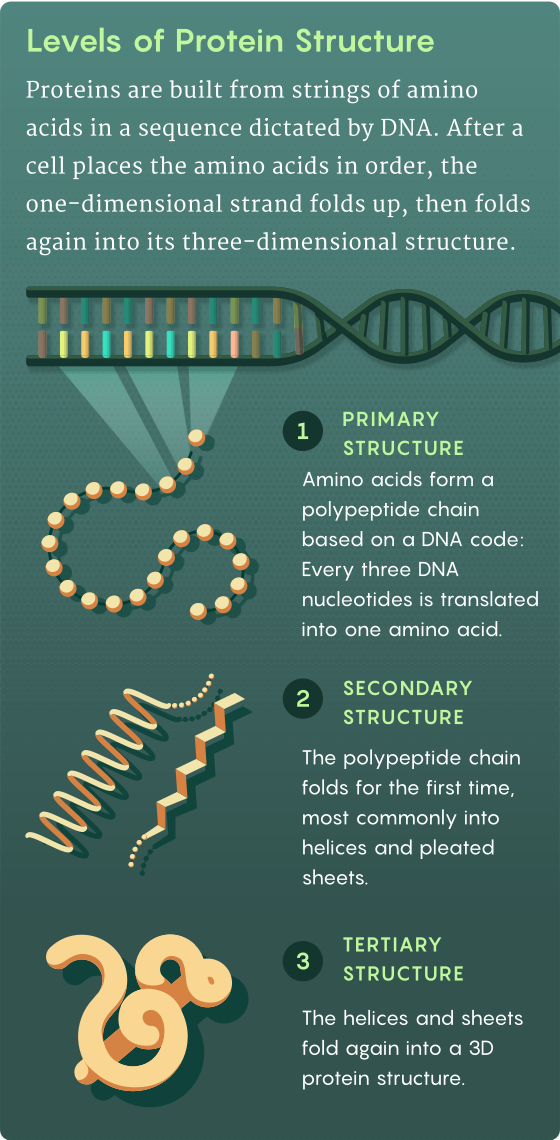
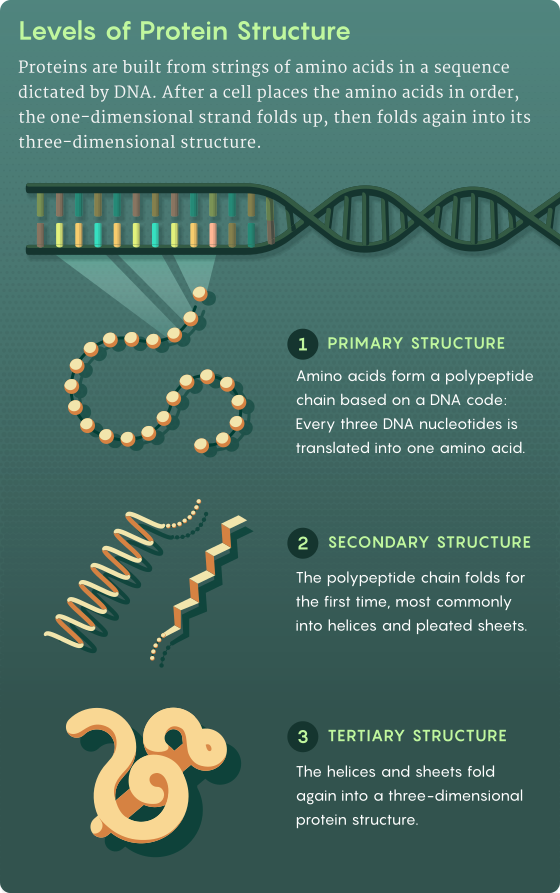
To test these ideas, Hlouchová is now building proteins in the lab using a reduced amino acid alphabet. Rather than focus on a specific ancient protein, as Goldman and Barge are doing, she’s looking at three specific types of folding structures found in many types of proteins — folds produced when an amino acid sequence bends and stretches into a 3D shape — that are known to be highly conserved across known life and thus very ancient in origin.
Using a combination of protein-design and structure-prediction programs, her lab removed the modern amino acid alphabet from the protein fold’s 3D structure. Then they asked the program to repopulate it using a reduced alphabet. Using a generative AI tool trained on large sets of protein folds, the programs predicted sequences that would fold up into the desired structure. Hlouchová then built the most plausible ancient proteins and imaged them.
Mark Belan/Quanta Magazine
Her team reported, in a series of recent studies, that a reduced alphabet of just 10 amino acids could support the kinds of protein structures that were likely found early in life’s development, the most robust protein folds that modern life uses. She is now working on repeating these experiments with totally different amino acids.
Using biology as a guide, and chemical possibilities as a parts list, Hlouchová is probing what life may have looked like before LUCA.
Synthetic biology “opens up a whole new world where we just don’t have to rely on life that we see today,” Hlouchová said. “Did life have to happen this way, or could it have happened in different ways?” Answering the question could mean traveling ever farther away from what we might recognize as biology.
The Processes
From the start, modern life has inspired the study of life’s origins. Miller considered his experiment’s production of amino acids, a core feature of modern life, to be irrefutable evidence that life could be produced from early Earth chemistry. And more recent researchers use today’s most widespread biomolecules and processes as proxies for features early life must have had. But researchers hold varying opinions on whether, and how much, we should allow modern life to constrain our imaginations.
“It would be foolish to ignore life as a guide,” Krishnamurthy said, “but it would be even more foolish to use life as the only guide.”
Instead of focusing on the exact materials of life, some are trying to re-create its essence. The field has “been too focused on what molecules current life works with,” said Sijbren Otto, a systems chemist at the University of Groningen. It has “not looked enough at what life does.”
Life is made up of not only molecules but functions. It can replicate, it can metabolize, and it can evolve. These functions don’t necessarily need to be performed by the same molecules that life uses today.
For example, could another molecular system do what DNA does? “If you generalize the definition of a gene, you say, ‘OK, it’s a molecule that stores information,’” Otto said. A replication process generates copies of that information. While Hlouchová is looking at whether you can get to the same structure with different molecules, Otto is looking at whether you can get to the same function. In the early 2010s, he started testing whether nucleotides, the building blocks of DNA, are the only molecules that can store and pass on information.
Benzene rings are stable structures made of interlocking rings of carbon and hydrogen that are found in many biological molecules, including several amino acids. By chance, in 2010, Otto discovered that certain types of synthetically made benzene rings of the same size tended to stack neatly, like poker chips. When shaken or stirred, the growing stacks broke, which triggered the molecular edges to grow more benzene rings. This was a kind of self-replication.
The stacks of benzene rings were also, in essence, propagating information: the size of the rings. The new stacks, which Otto found could just keep growing, always contained rings of the same size. “From that moment on, we realized we stand a chance of doing evolution with these types of systems,” he said.
These chemical structures held the possibility of information storage and replication. The next step would be to induce metabolism, or to get the structures to facilitate other chemical reactions. They would also need a container to hold themselves together. Putting it all together was a dream, but one that’s gotten closer than ever in recent years.
It took Otto’s lab another 10 years to figure out how to get their self-replicating molecules to catalyze reactions other than their own replication, such as those that helped them make their own precursors. Then, in still unpublished work, they altered some of the molecules in a way that compelled the rings to form compartments that grew and divided. “It’s replicating, it’s metabolizing, it’s keeping itself together in a compartment,” Otto said. Eventually the “benzene cells” grew big enough to be seen under a microscope, he said.
But does that make them alive? The only thing they’re really missing, from a functional perspective, is the ability to evolve, Otto said. That’s where his lab is headed next. “We’re trying to make something that starts to approach life,” he said. “But it will be on a life support machine for some time to come.”
His benzene “cells” are a far cry from life as we know it. But if you can figure out conceptually how evolution could arise, Otto argued, you can reenact that mechanism, under the simulated conditions of the early Earth and with your favorite prebiotic molecules. “I think, then, you’re closer to the origin,” Otto said.
These scientists and others are probing the most fundamental aspects of life unhindered by the evolutionary journey that led from LUCA to today. They’re going beyond what genomics can tell us even about the pre-LUCA era to imaginatively reconstruct how the mechanisms and functions of life could have emerged. Despite their different tools, materials, and approaches, the common thread across the field is preserving the requirements and possibilities of evolution. Because no matter what molecules it’s built of, what makes life alive is the fact that it can adapt to a changing environment and invent new ways to survive across deep time. Its engine of change and adaptation is evolution — and re-creating it is the shared dream of chemists and biologists alike.
The Continuum
In summer 2026, a cell made headlines. Synthetic biologists had packed fatty sacs called liposomes with biological components: a DNA replication system and a set of 36 enzymes that read DNA and make proteins. They filled other liposomes with sugar, lipids, enzymes, nucleotides, and ribosomes — supply caches to send in as needed. Then they waited to see if their chemistry experiment would take on a life of its own.
After months of fussing around with a population of these proto-cells in the lab, the team started to see something: lifelike behaviors. The cells replicated their DNA, grew, and divided. And larger ones produced more daughter cells, resulting in a crude kind of natural selection. The researchers posted their results on the preprint server biorxiv.org in July. It was touted as a “stunning” step and a “breakthrough” for the field.
This synthetic cell is not a reflection of the origin of life; it had a 4-billion-year head start. It was built from biomolecular parts that are highly evolved and “disgustingly modern,” said Kate Adamala, the synthetic biologist at the University of Minnesota who led the project. But it’s the first plausible demonstration of the field’s most fundamental idea: that it is possible to take a bunch of “undeniably dead” components, she said, put them together, and create something that “starts undergoing all of those functions of life.”
Even though the cells can grow, divide, and replicate their genome, Adamala is steering clear of the word “alive.” The cell can’t feed and sustain itself; it needs constant delivery of food and ribosomes, the machinery that it needs to make proteins. But more importantly, Adamala said, it is missing true evolution.
To produce their crude version of natural selection, Adamala’s team engineered mutations into their synthetic cells that led to different growth rates. “It’s a poor man’s evolution,” she said. In true natural selection, cells would mutate, and the population would naturally gain genetic diversity. Her team had effectively built evolution in.
But still, the chemistry came together into something like biology. And it did not require some magic spark or special ingredient. The researchers had to figure out the molecular system — the relationships between known components — and then tweak them until the system worked better, and then better, and then better. Life is not an on-off-switch; it is more like a continuum. A chemical system becomes increasingly alive over time. And if you try to trace it back to a point at which it fully becomes alive, that point will likely be “arbitrary,” Otto said. This is true in the lab, and it must have been true 4 billion years ago.
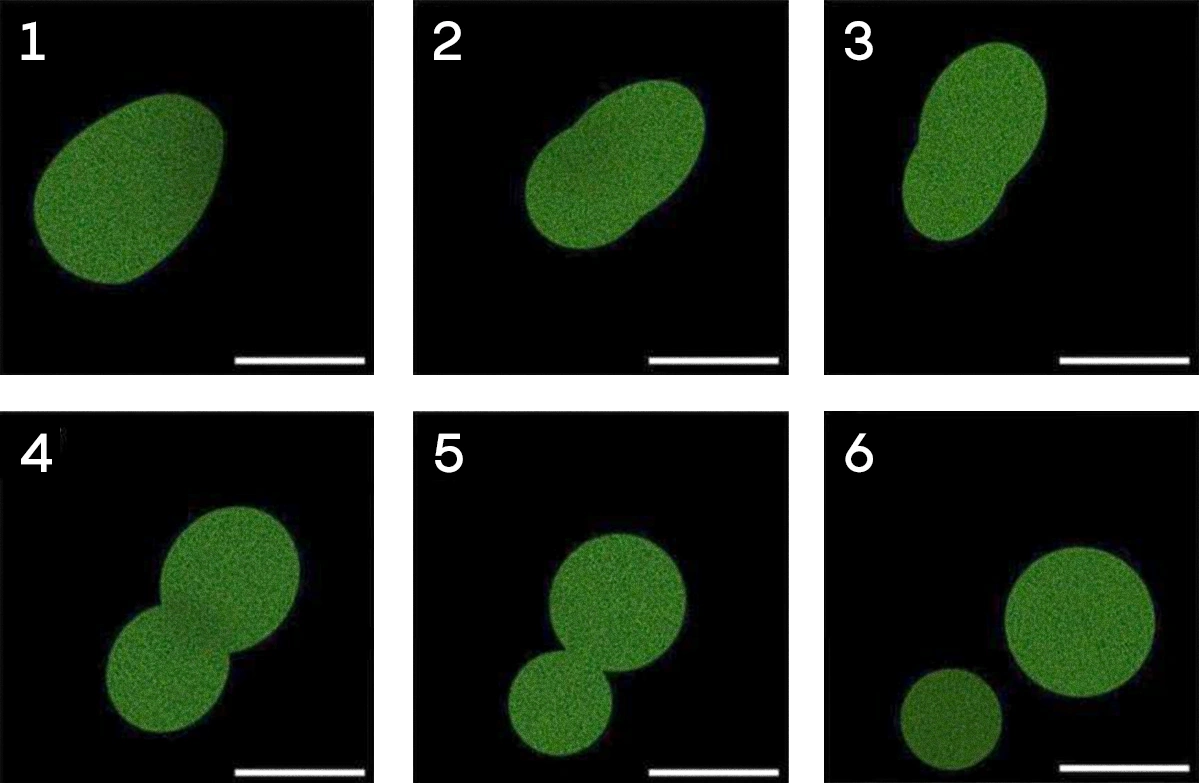
Fluorescent microscopy shows a synthetic cell undergoing cell division: elongating, pinching, and separating into two daughter cells.
Kate Adamala/Adamala Lab
To this day, no one has convincingly re-created life — self-sustaining, self-replicating, independently evolving — in the lab. Researchers aren’t even sure whether evolutionary processes on the early Earth, in systems of molecules that may or may not have been “alive,” would look like those that drive adaptive changes in cells or organisms today.
But give the scientists a little more time to work on the problem. “Our great chemists, only a handful of them, are doing this in the lab, and with only a few test tubes over a [a few] decades,” said Michael Lynch, an evolutionary biologist at Arizona State University who is working with Kaçar, Travisano, and others to bring evolutionary rules to the origins-of-life field. In comparison, prebiotic chemistry on early Earth had a few hundred million years, which is “an awful long time for life to experiment.”
Similar experiments could be taking place somewhere out there right now. Our galaxy alone has at least 6,000 known exoplanets and likely many, many more. A lot of them have liquid water, and some 2,000 of them could be super-Earths, even more hospitable to life than our own planet. Ancient Mars and Enceladus, a moon of Saturn, support the conditions that astrobiologists consider necessary for life. Analyses of rock samples from asteroids and the red planet continue to reveal the raw materials used by our biology.
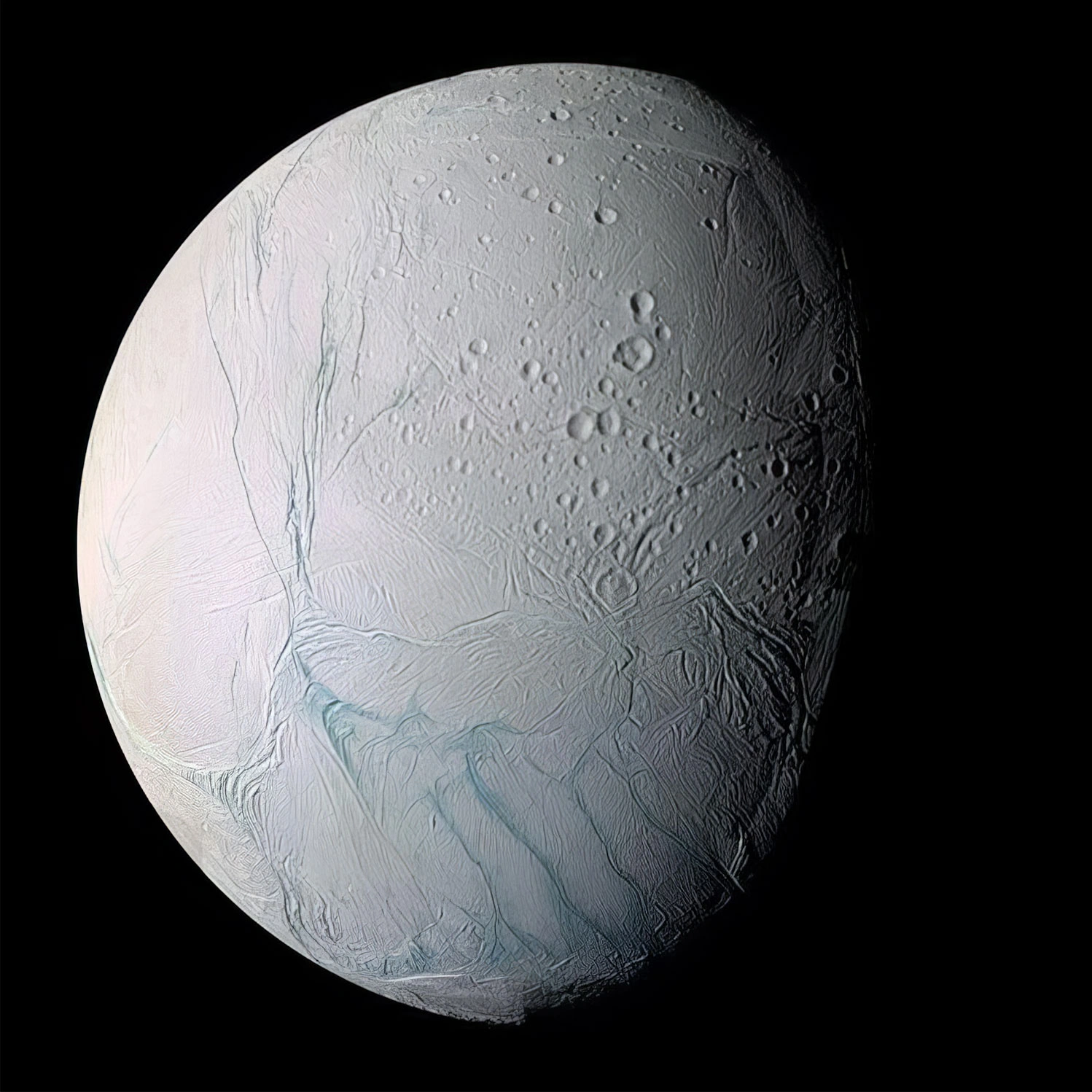
Saturn’s small moon Enceladus hosts a salty ocean beneath an icy shell, whose jets erupting into space were observed by NASA’s Cassini spacecraft in 2005.
NASA/JPL/Space Science Institute
As researchers continue to deconstruct and reconstruct what life could have been on early Earth, they’re also exploring what could be possible elsewhere. Researchers, including Hlouchová, have used protein design tools to show that the six amino acids found on the asteroid Bennu can create many different types of protein folds.
“The origin of life is very strongly connected to planetary exploration, and we should always think of this as, you know, we’re trying to understand the nature of life in the universe,” Barge said. “We need to understand the origin of life in order to effectively look for life.”
Kaçar, director of the NASA Interdisciplinary Astrobiology Research center, is leading the way in connecting the two fields. Her lab uses synthetic biology and computational methods to predict the genetic codes of ancient proteins and resurrect them inside modern bacteria. Then she monitors their activity to see what kind of patterns they might leave behind in ancient rocks. By bridging the dynamics of a molecule, its geological output, and its atmospheric impact, she’s hoping to identify biosignatures that could be used to search for life in the cosmos.
NASA’s Habitable Worlds Observatory, launching in the 2040s, will be the first space telescope specifically designed to search for biosignatures in the atmospheres of planets outside our solar system. And the European Space Agency’s upcoming space telescope Plato will also be looking. Barge hopes that they will find not only clear evidence of life beyond Earth but also clues to how it began. This “is not something you can ever see on Earth because it’s all been overprinted by life,” she said.
Evidence of life elsewhere could be the key to finally dissolving the arguments and rifts that have haunted this field since its beginning. Through all these decades, scientists have theorized about the emergence of a system for which we have only one example: life on Earth. No matter how imaginative they get, scientific ideas about the origins of life remain constrained by the singular model that emerged from the prebiotic soup more than 4 billion years ago.
Scientists are now closer than ever, in the lab or deep in space, to increasing the sample size in the experiment of life. One day, there could be two.
Editor’s Note: Several of these researchers — John Sutherland, Jack Szostak, Greg Fournier, Gerald Joyce, Ramanarayanan Krishnamurthy, Matthew Powner, and Kai Liu (in Sijbren Otto’s lab) — have received funding from the Simons Foundation, which also funds this editorially independent magazine. Simons Foundation funding decisions have no influence on our coverage.