What's up in
Chemistry
Latest Articles
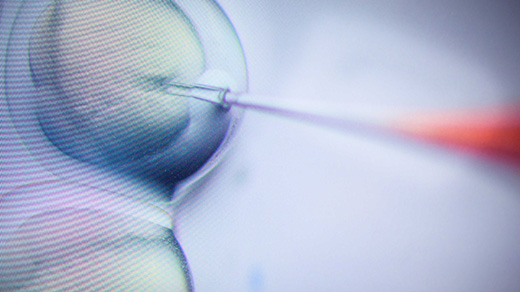
Nobel Chemistry Prize Awarded for CRISPR ‘Genetic Scissors’
Emmanuelle Charpentier and Jennifer Doudna have been awarded the 2020 Nobel Prize in Chemistry for their development of CRISPR/Cas9 genetic editing.
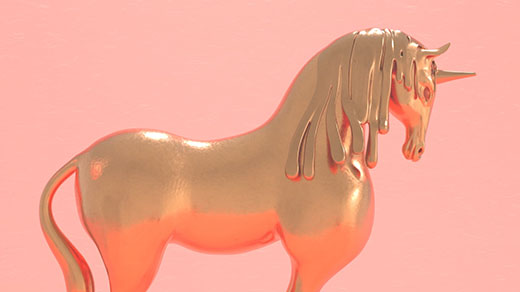
Alchemy Arrives in a Burst of Light
Researchers have shown how to effectively transform one material into another using a finely shaped laser pulse.
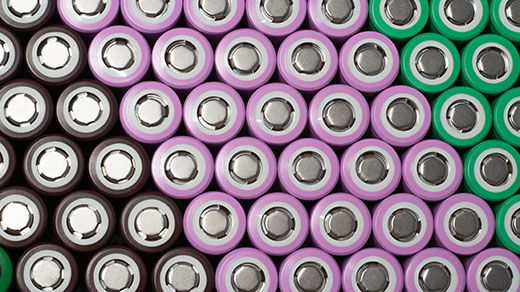
Nobel Awarded for Lithium-Ion Batteries and Portable Power
John Goodenough, M. Stanley Whittingham and Akira Yoshino shared the 2019 Nobel Prize in Chemistry for developing lithium-ion batteries, "the hidden workhorses of the mobile era."
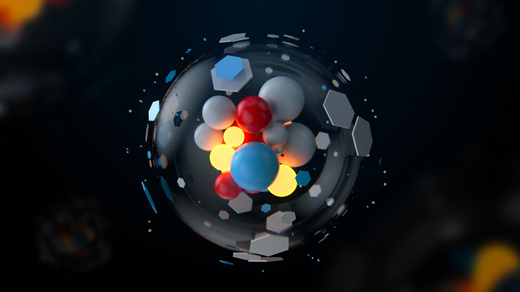
Origin-of-Life Study Points to Chemical Chimeras, Not RNA
Origin-of-life researchers have usually studied the potential of pure starting materials, but messy mixtures of chemicals may kick-start life more effectively.
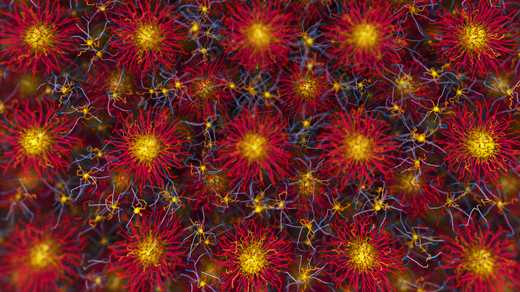
Strange Metal-like Bonds Discovered in Customized Crystals
While studying materials made from DNA-coated nanoparticles, researchers found a new form of this matter: lattices in which smaller particles roam like electrons in metallic bonds.
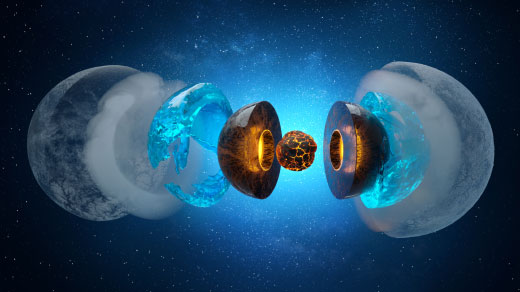
Black, Hot Ice May Be Nature’s Most Common Form of Water
A new experiment confirms the existence of “superionic ice,” a bizarre form of water that might comprise the bulk of giant icy planets throughout the universe.
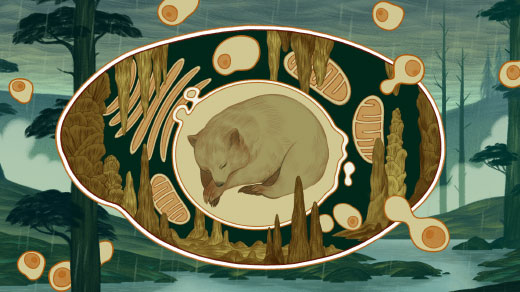
‘Lava-Lamp’ Proteins May Help Cells Cheat Death
With proteins that reversibly self-assemble into droplets, cells may control their metabolism — and harden themselves against harsh conditions.

Ewine van Dishoeck, the Netherlander Who Traced Water’s Origin
The astrochemist and winner of the 2018 Kavli Prize in Astrophysics has wondered about the cosmic origin of water while enjoying Noordwijk beach near her hometown of Leiden.
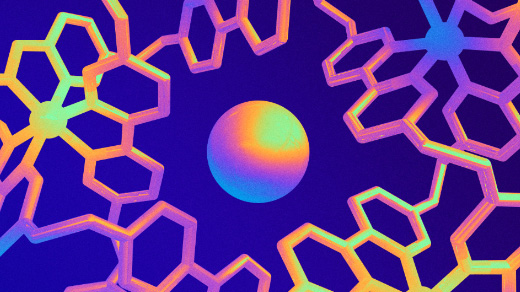
Scientists Learn the Ropes on Tying Molecular Knots
As chemists tie the most complicated molecular knot yet, biophysicists create a “periodic table” that describes what kinds of knots are possible.