What's up in
Genome
Latest Articles
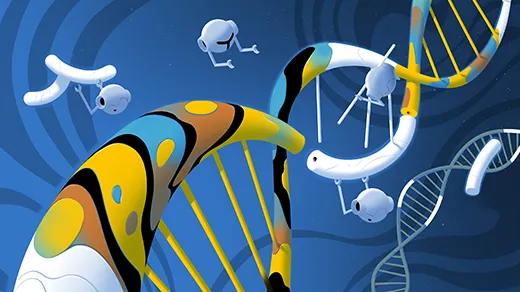
How a DNA ‘Parasite’ May Have Fragmented Our Genes
A novel type of “jumping gene” may explain why the genomes of complex cells aren’t all equally stuffed with noncoding sequences.
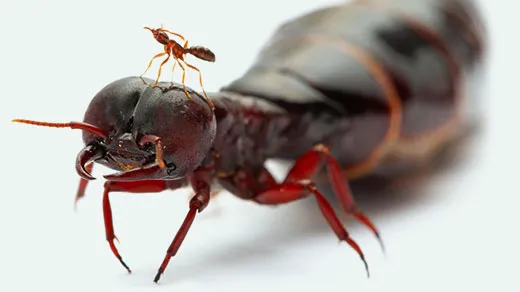
Ants Live 10 Times Longer by Altering Their Insulin Responses
Queen ants live far longer than genetically identical workers. Researchers are learning what their longevity secrets could mean for aging in other species.
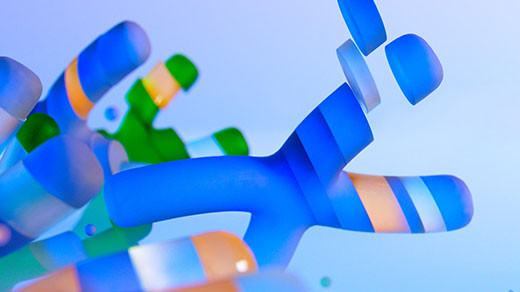
Secrets of Early Animal Evolution Revealed by Chromosome ‘Tectonics’
Large blocks of genes conserved through hundreds of millions of years of evolution hint at how the first animal chromosomes came to be.

When a Gene Illness Discovery Means Breaking Bad News
When scientists discover genes linked to dangerous illnesses in their samples, how should they convey that news to the study participants? The geneticist Cristen Willer had to tackle that challenge.
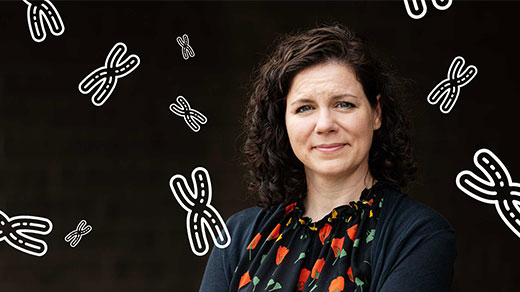
Karen Miga Fills In the Missing Pieces of Our Genome
Driven by her fascination with highly repetitive, hard-to-read parts of our DNA, Karen Miga led a coalition of researchers to finish sequencing the human genome after almost two decades.
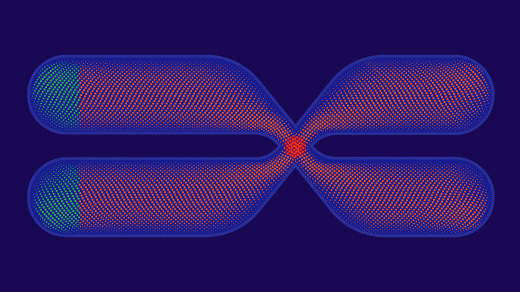
The Complex Truth About ‘Junk DNA’
Genomes hold immense quantities of noncoding DNA. Some of it is essential for life, some seems useless, and some has its own agenda.
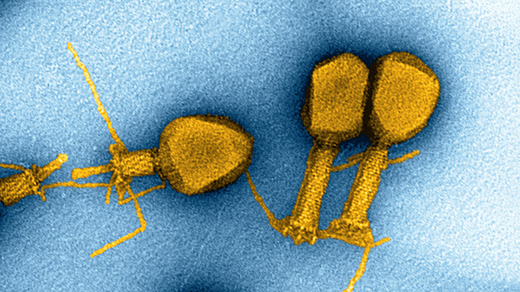
DNA Has Four Bases. Some Viruses Swap in a Fifth.
The DNA of some viruses doesn’t use the same four nucleotide bases found in all other life. New work shows how this exception is possible and hints that it could be more common than we think.
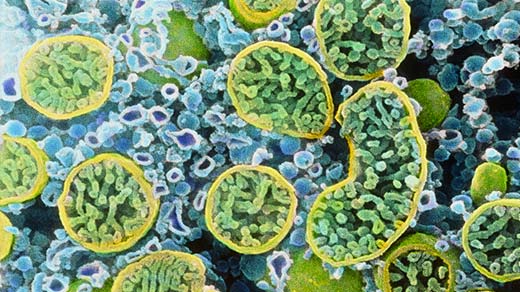
‘Social’ Mitochondria, Whispering Between Cells, Influence Health
Mitochondria appear to communicate and cooperate with one another, both within and between cells. Biologists are only just beginning to understand how and why.
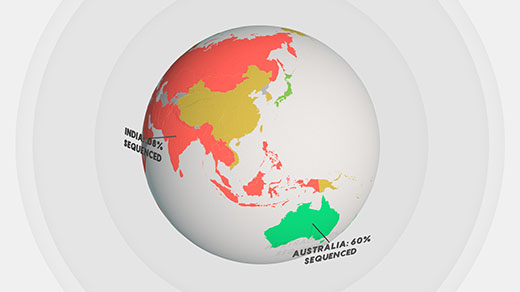
A Lack of COVID-19 Genomes Could Prolong the Pandemic
Genomic surveillance of the SARS-CoV-2 virus can help control the current pandemic and prevent future ones. But the process is marred by insufficient data and geographic inequities.