Quanta Magazine | Science and Math News
Xinyu Si/University of Pittsburgh
Latest Articles
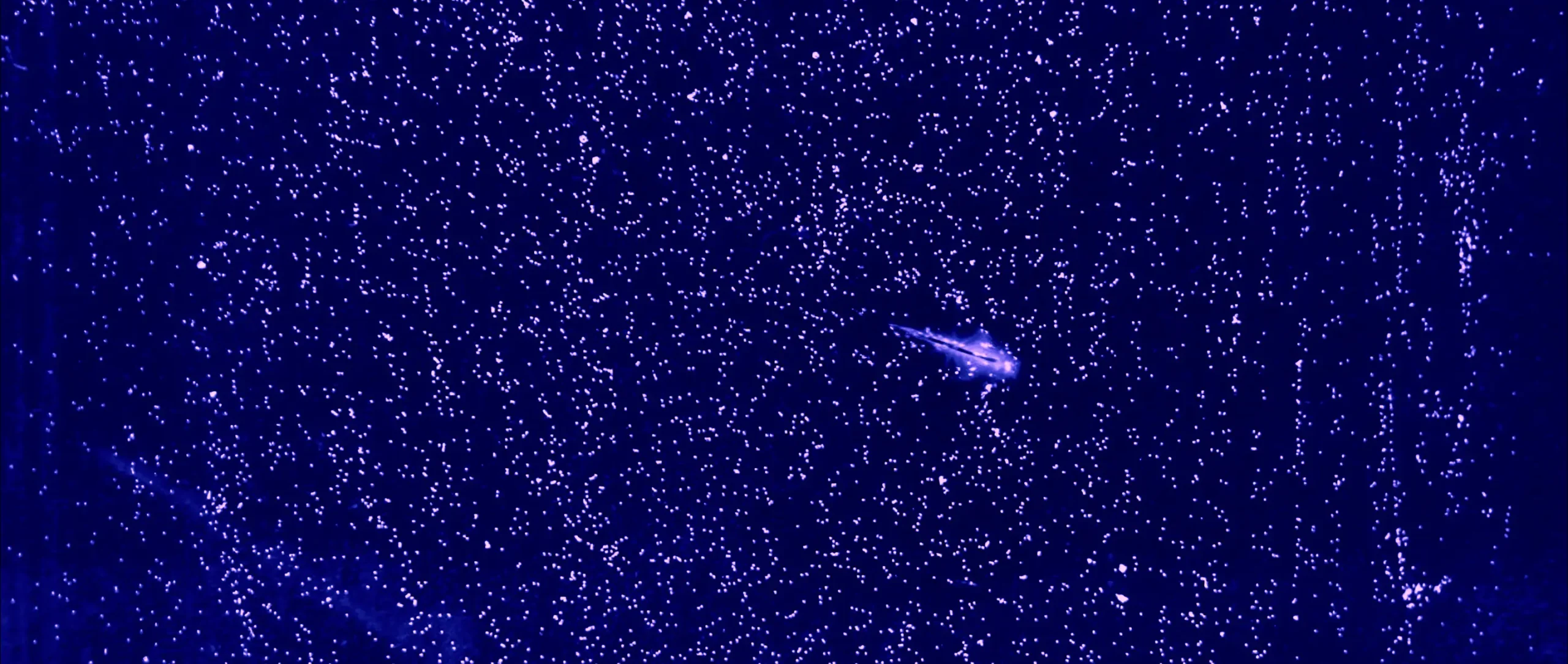
Sea Monkeys Show Scientists How To Rewrite a Rule of Turbulence
Scientists assumed that energy flows in only one direction in a turbulent system. What they didn’t know, until they looked closely at brine shrimp, was that a simple factor can reverse the flow.

Surprisingly Complex Waves Reveal the Brain’s Inner Workings
Unexpected patterns traveling across the human brain may be reorganizing its activity in real time.

Mathematicians Harness Randomness To Crack a 55-Year-Old Conjecture
After a long hiatus, the problem, which was likely inspired by juggling, has finally been resolved by a group of young mathematicians.
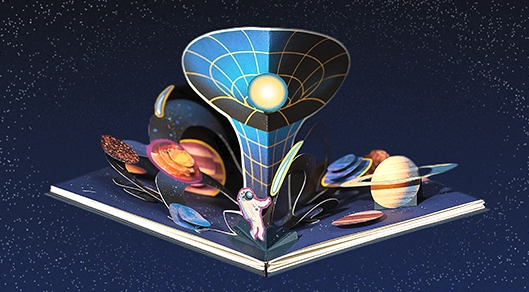
Gravity Seems Holographic. What Does That Mean for Reality?
The biggest breakthrough in modern theoretical physics is the discovery that gravity can collapse the dimensions of space. Physicists don’t yet understand the implications.

Biology Might Not Be Quantum, but Its Math Is Quantumlike
Scientists have a history of trying — and failing — to link biology and quantum mechanics. The real connection between them may be in the math.

Mathematicians Build Long-Awaited Graph Sandwich
The proof of a decades-old conjecture has given researchers a new way to understand complex networks.
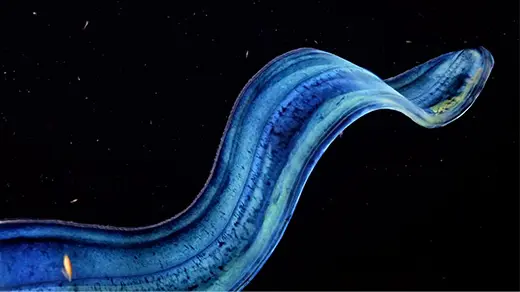
Ctenophores Aren’t Just Beautiful. They’re Biological Wonders.
Comb jellies are helping answer fundamental questions in biology, from how the earliest nervous systems evolved to how bioluminescence works.
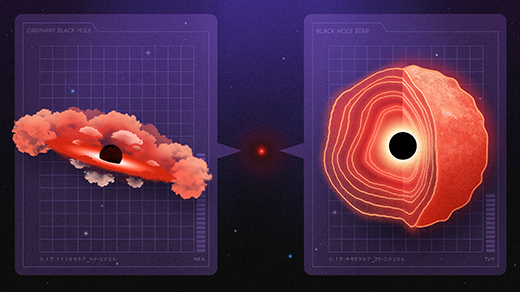
Black Holes or Black Hole Stars? Astronomers Spar Over Webb Telescope’s ‘Little Red Dots.’
The James Webb Space Telescope spots mysterious “little red dots” everywhere. A bold new theory suggests they’re suns dozens of times larger than our entire solar system.
Featured Videos
See all videos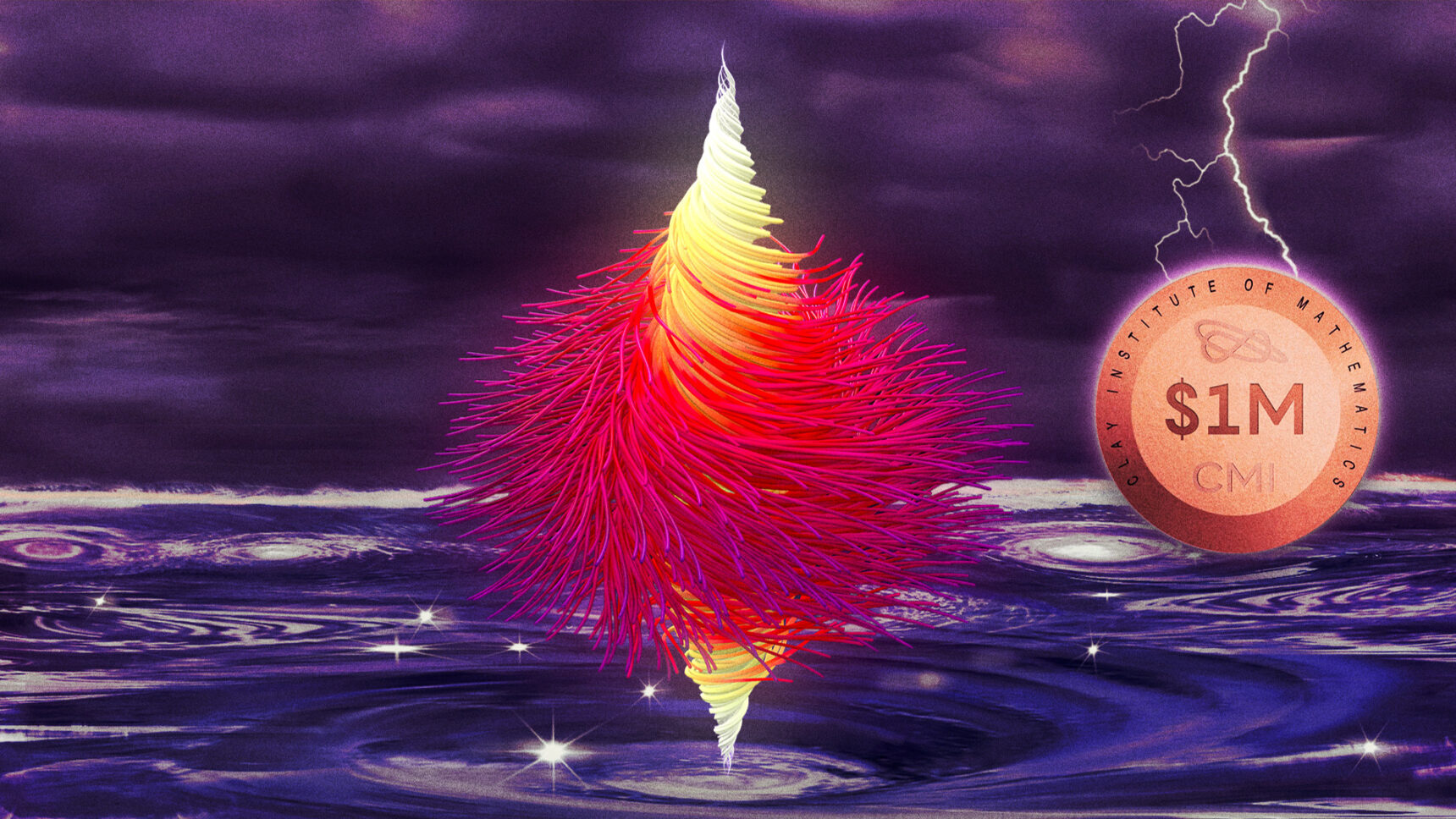
The Navier-Stokes Equations, Explained
Emily Buder/Quanta Magazine and Emily Zhang



Special Features
Quanta Podcast
How Virus-like ‘Jumping Genes’ Became Our Partners in Evolution
Half of our genome is made of transposons — snips of DNA that can move and copy themselves. But they’re more than parasites or genetic junk.
Recommended Features



Multimedia
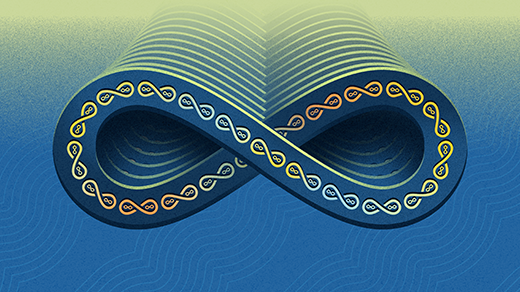
How Can Infinity Come in Many Sizes?
Intuition breaks down once we’re dealing with the endless. To begin with: Some infinities are bigger than others.
About Quanta Magazine
Illuminating basic science and math research through public service journalism.
More about usQuanta Magazine is committed to in-depth, accurate journalism that serves the public interest. Each article braids the complexities of science with the malleable art of storytelling and is meticulously reported, edited and fact-checked. Launched and funded by the Simons Foundation, Quanta is editorially independent — our articles do not reflect or represent the views of the foundation.